The Benderson Brief: Nvidia rehires Jensen Huang and adds nearly $1 trillion in a day
Nvidia reinstates Jensen Huang, Goldman sees 52 GW of new data center power in 2028, only 4.9 GW of 115 GW planned data center gas plants run, Japan's truck fab, and XPeng's IRON humanoid on stage.

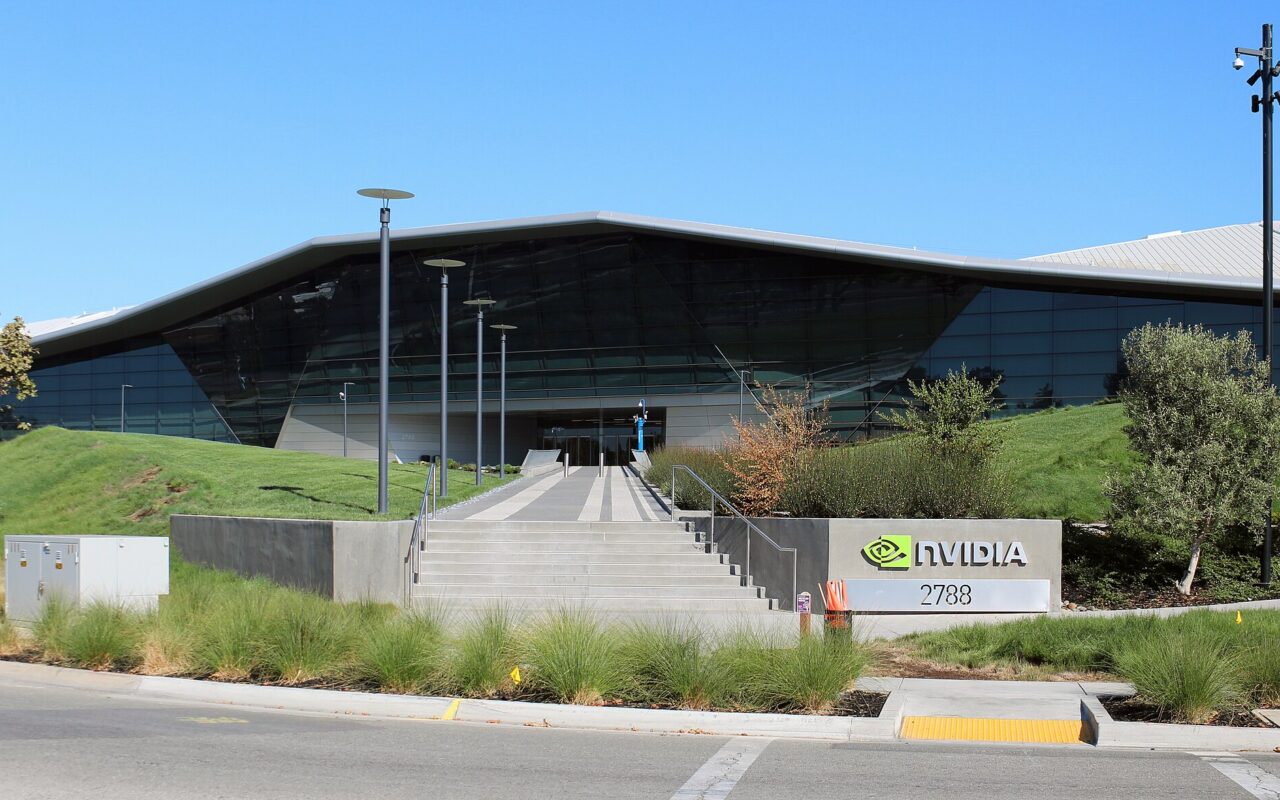
Nvidia got its CEO back and the market added nearly $1 trillion in a day. Meanwhile the power numbers behind the buildout keep getting bigger than the grid can carry. Here is what matters this morning.
1. Nvidia reinstates Jensen Huang, stock jumps 31%
Nvidia’s board unanimously reinstated Jensen Huang as president, CEO and board director on November 23, effective immediately, 11 days after he resigned. The board said it “received input from senior levels of the United States government” and is confident his return “poses no national security risk.” Colette Kress continues as CFO, Harvey Jones stays chair, an independent committee’s investigation into reports that Huang was “the target of a foreign intelligence effort” will proceed to conclusion, and the board created a new National Security and Export Control Committee and is hiring a new Chief Compliance Officer. The stock closed up 31.48% at $165.05, its best day since May 2003, adding nearly $1 trillion in market value; CoreWeave and Nebius also rose more than 30%.
Brandon’s Take: The whole supply chain, from substrates to rack integrators, plans capacity around Nvidia’s roadmap, so leadership stability matters more to factories than the stock chart. The detail buyers should watch is the new export control committee: expect more compliance paperwork on every GPU order, not less.
2. Goldman sees 52 GW of new data center power in 2028
Goldman Sachs says an additional 52 gigawatts of data center power capacity could come online in 2028, Reuters reported. The bank’s note says US data center power capacity and demand are up nearly 30% year to date and account for more than one third of total US power demand growth, and it flags policy shifts after the midterms as a risk that could moderate the upside.
Brandon’s Take: 52 GW in a single year is not a chip problem, it is a transformer, switchgear and turbine problem. Those lines run on long lead tooling and qualified suppliers, and they do not double output in twelve months.
3. Data centers announce 115 GW of their own gas plants, 4.9 GW run
Developers have announced more than 100 behind the meter gas plants at US data centers with over 115 GW of planned capacity, according to Cleanview data cited by MIT Technology Review. Only 4.9 GW is operating and 15.8 GW is under construction. Very few of the plants will use combined cycle turbines, and BloombergNEF’s Musfika Mishi says speed is the biggest reason data centers are building on site power.
Brandon’s Take: Announced capacity is cheap. A turbine slot, an air permit and a gas lateral are not, and anything that cannot show all three should be discounted. We broke down what those turbines now cost in our gas turbine shortage analysis, and what utilities charge campuses that stay on the grid in our large load tariffs piece.
4. Japan puts a chip fab in a truck to train engineers
Japan’s mobileFab packs a photoresist coater, a maskless lithography machine and a photoresist developer, each roughly 30 cm wide, into a truck mounted container, Tom’s Hardware reports. It grows out of the Minimal Fab labs at Japanese colleges, organizers say fab engineers “will be in high demand over the next 10 years,” and the truck will be shown at SEMICON Japan in December.
Brandon’s Take: This is training gear, not capacity. But it is aimed at the right constraint: every new fab announcement assumes a workforce that does not exist yet, and the same gap runs through tooling, maintenance and the skilled trades.
5. XPeng puts its IRON humanoid on stage today
XPeng holds its AI Day in Guangzhou today, November 25, with its IRON humanoid as the centerpiece, the company said. IRON stands about 170 cm, has 76 degrees of freedom plus 21 in each hand, and runs on three in house Turing AI chips rated up to 2,250 TOPS without teleoperation. The latest unit rolled off a newly commissioned production line on September 8, and the robotics business raised over $900 million in August at a valuation above $6.3 billion.
Brandon’s Take: A real production line and a $6.3 billion valuation set the bar. What matters today is not the walk across the stage but a unit count, a price and a named customer site; without those it is still a demo. Our humanoid shipping comparison shows who has cleared that bar.
Number of the day
4.9 GW. That is how much of the more than 115 GW of announced behind the meter gas capacity at US data centers is actually operating, per Cleanview data cited by MIT Technology Review. About 4%.
Get The Benderson Brief in your inbox every weekday morning. Follow @bendersonmedia on X for the daily charts.

Brandon Henderson
Brandon Henderson founded Benderson Media. He has spent more than 15 years in custom injection molding, tooling and global manufacturing, working with factories in China and Vietnam on programs for aerospace and consumer brands. He is a journeyman tool and die maker, CPSP certified, and a Six Sigma Green Belt. Benderson Media covers AI in the real economy: the factories, chips, power and money behind it.
Get The Benderson Brief
Five stories on robots, chips, power and AI money every weekday morning. Free. One click to leave.
Every figure in this piece links to its source. See our editorial standards. Nothing here is investment advice.