The Benderson Brief: Dell’s AI backlog hits $132.3 billion
Dell books $60.2 billion of AI orders, the Senate prices data center power lines at $55 billion, Xpeng dates its IRON humanoid, RoboSense automates lidar and Peak Energy raises $157 million.

Happy Thanksgiving. Dell just showed how much AI hardware is still waiting to ship, the Senate wants data centers to pay for their own power lines, and two Chinese robot companies put dates and volumes on the table. Here are today’s five.
Dell’s AI backlog hits $132.3 billion
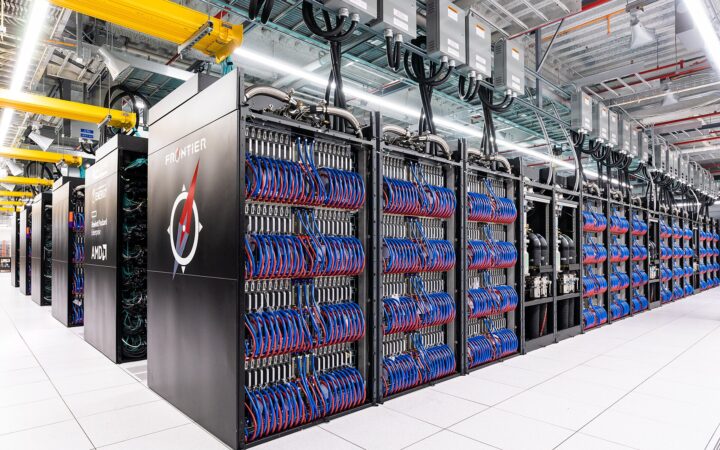
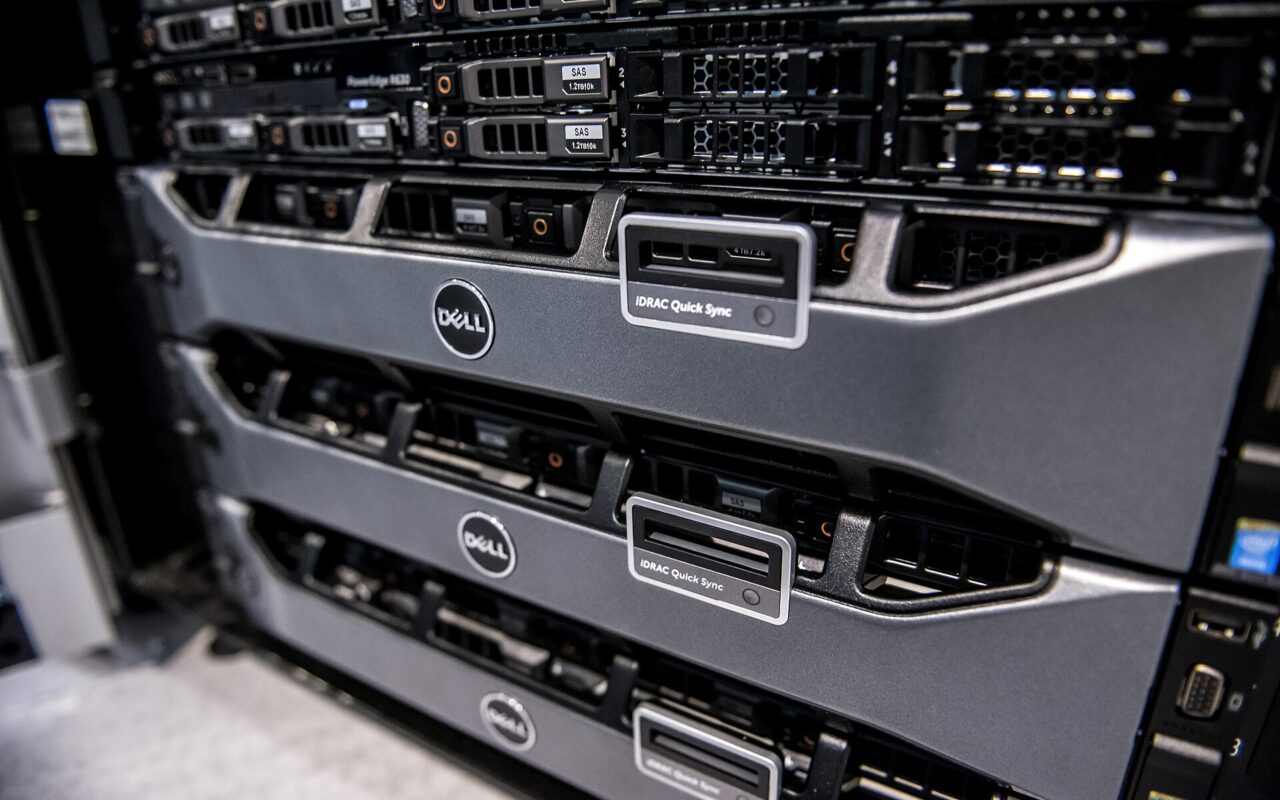
Dell booked $60.2 billion of AI orders in its fiscal third quarter and ended it with a record $132.3 billion AI backlog, according to its Nov. 24 earnings release filed with the SEC. Revenue rose 103% to $54.9 billion, AI optimized server revenue rose 291% to $22.0 billion, and Dell raised its full year revenue guide from $192 billion to $202 billion. Inventory on the balance sheet climbed to $29.4 billion from $10.4 billion at the end of January.
Brandon’s Take: The inventory line is the one to watch. Nearly $19 billion of extra parts and racks in the pipeline means Dell is buying GPUs, memory and power gear ahead of shipments, and every smaller server builder and contract manufacturer is now competing with that buying power for the same components and test capacity.
Senate bill would send new data centers a $55 billion power line bill
The Bipartisan American Affordability and Jobs Act (S. 5653) passed the Senate 62 to 33 on Nov. 19, and the House has put it on its floor schedule for the week of Nov. 30, The Daily Caller reports. A Grid Strategies paper estimates that new data centers outside Texas, about 40.3 GW over the decade, would pay roughly $55 billion in transmission charges over 10 years, about $35 billion more than without the bill. FERC would get 90 days to propose new pricing so data centers carry the cost of lines built for them.
Brandon’s Take: Utilities are already writing minimum bills into their own large load tariffs. A federal rule would turn grid cost into a fixed line on every campus budget, which favors sites next to spare transmission or with their own generation.
Xpeng puts dates on its IRON humanoid
At its AI Day in Guangzhou on Nov. 25, Xpeng said IRON hardware enters mass production in January 2027, starts training as a sales assistant in its own stores in the first quarter and gets its official public release in the second quarter, CnEVPost reports. The robot stands 170 cm with 76 degrees of freedom, more than 1,500 tactile sensing points, three Xpeng Turing AI chips and a solid state battery pack above 300 Wh/kg that gives 1.5 hours of work on a 20 minute charge. He Xiaopeng said the global robot market may number only in the tens of thousands of units today.
Brandon’s Take: Starting in its own showrooms is smart: a controlled floor, a forgiving job and an owner who absorbs its own failures. The 1.5 hour runtime is the spec to pressure test before anyone talks about factory shifts, and it is why most of the humanoids actually shipping still work short tasks.
RoboSense builds lidar on a line with six people at final assembly
RoboSense said third quarter revenue rose 65.2% to RMB672.7 million and robotics lidar volume reached about 427,800 units in the first nine months, up 423.0%, in its Nov. 25 results release. This month it commissioned a fully automated digital lidar line in Shenzhen with a 99% automation rate, 500,000 units of annual capacity and six operators at the final assembly stage.
Brandon’s Take: This is the quiet half of physical AI: robot sensors built mostly by robots. A line that size running with six people at final assembly sets a cost floor that hand built competitors will struggle to match, wherever they are.
Peak Energy lifts its sodium ion battery round to $157 million
Peak Energy expanded its Series B to $157 million, made up of $132 million in equity and a $25 million HSBC debt facility, to speed up manufacturing ahead of commercial deployments starting in 2027, the company announced Nov. 24. It reports more than $2.5 billion in customer agreements, and part of the money funds a pilot project for data centers. General Motors Ventures led the round when it was first announced in October.
Brandon’s Take: A battery that needs no active cooling is one fewer chiller and pump skid on sites already short on electrical gear. The real test is the Sacramento factory: $2.5 billion of agreements only becomes revenue if that plant reaches yield in 2027.
Number of the day
$132.3 billion: Dell’s AI backlog at the end of its fiscal third quarter, after $60.2 billion of new AI orders. Source: Dell Q3 FY2027 earnings release. For the other side of that ledger, read our analysis of the $1.3 trillion of data center leases Big Tech has signed but not started.
Get The Benderson Brief in your inbox every weekday morning. Follow @bendersonmedia on X for the daily charts.

Brandon Henderson
Brandon Henderson founded Benderson Media. He has spent more than 15 years in custom injection molding, tooling and global manufacturing, working with factories in China and Vietnam on programs for aerospace and consumer brands. He is a journeyman tool and die maker, CPSP certified, and a Six Sigma Green Belt. Benderson Media covers AI in the real economy: the factories, chips, power and money behind it.
Get The Benderson Brief
Five stories on robots, chips, power and AI money every weekday morning. Free. One click to leave.
Every figure in this piece links to its source. See our editorial standards. Nothing here is investment advice.