Deezer Says Half of All Daily Music Uploads Are AI
“`html
Deezer Says Half of All Daily Music Uploads Are AI
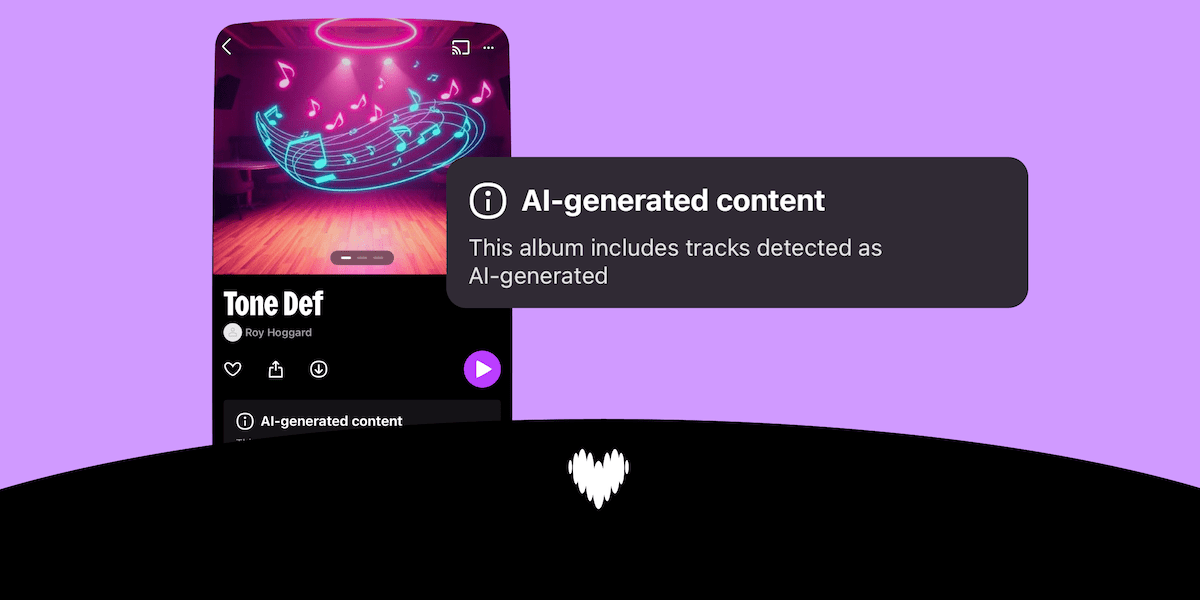
More than half of every song uploaded to Deezer each day is now made by a machine. Deezer confirmed in 2026 that AI-generated tracks account for over 50% of its daily uploads. This is not a warning about what might happen. It is happening right now, and it is about to restructure who gets paid in a $45 billion industry.
What Deezer Just Admitted
Deezer, the French streaming platform with over 16 million active subscribers, didn’t bury this number. They said it plainly: more than half of what flows into their catalog every single day was not written, performed, or produced by a human being. According to Deezer, the platform receives thousands of new tracks daily, and the majority are now AI-generated.
This comes after years of warning signs. According to Spotify’s internal reporting in 2023, the platform removed tens of thousands of AI-generated songs after a single music tech company, Boomy, had uploaded hundreds of thousands of tracks in a span of months. Spotify later tightened upload policies. Deezer tried a similar approach, introducing an “artist-centric” royalty model that deprioritizes tracks with fewer than 1,000 streams per month. But the AI flood kept coming.
According to the Recording Industry Association of America, total recorded music revenues in the U.S. reached $17.1 billion in 2023. Streaming made up the overwhelming share. That pool of royalty money is now being split more ways than ever, with machines taking a growing cut. The math is simple and brutal.
This Is a Wealth Transfer, Not a Tech Story
Most people read this headline and feel bad for musicians. I read it and see a money story hiding inside a music story.
Here is what is actually happening. A small group of operators figured out that streaming royalties work like a slot machine you can rig. Upload enough tracks, collect micro-royalties on each one, scale the catalog to hundreds of thousands of songs, and the math starts to add up fast. According to Luminate’s 2024 Music Report, over 120,000 tracks are uploaded to streaming platforms every single day across all major services. If half of Deezer’s uploads are now AI, that same ratio is almost certainly playing out on Apple Music and Tidal too.
Real artists are watching their slice of the royalty pool shrink every quarter while their streaming numbers stay flat. That’s not a creative problem. That’s a cash flow problem.
The poor mindset response is to complain that AI is stealing from musicians. The owner mindset is to ask: how do I protect my revenue stream and build something AI can’t replicate at scale?
Here is what I think serious artists and music entrepreneurs need to do right now. First, your name and voice are your moat. AI can copy the genre, the tempo, and the production style. It can’t copy you. Build your brand around you, not just the music. Second, licensing is where real money lives, not per-stream payouts. If you’re negotiating sync deals, brand partnerships, or music licensing agreements, you need proper contracts in place fast. I’ve used signNow to get licensing agreements signed in hours instead of weeks, which matters when a brand is ready to move and you don’t want to lose the deal to slow paperwork.
Third, and this is the part most artists skip entirely: structure your music as a business. A catalog of songs is an asset. Assets need an entity behind them. An LLC gives you liability protection, cleaner tax treatment, and makes you look serious to labels, brands, and sync agents who want to license your work.
What This Means For You
If you are a musician, a music entrepreneur, or anyone who earns money from creative work, here is what I would do right now.
Stop waiting for platforms to fix this. Deezer can’t stop the flood. Spotify can’t either. According to a 2024 study by the AI music detection firm Tunesat, existing audio fingerprinting tools catch only a fraction of AI-generated content because the tools were built to detect copyright violations, not synthetic creation. The platforms are playing catch-up and losing.
What you can control is how you build your income stack. Streaming royalties should be the smallest line item in your music business, not the biggest. Build toward sync licensing, direct-to-fan revenue, live performance, and brand partnerships. These are human contracts for human performances and human relationships. AI can’t show up to play a set or shake hands with a brand manager.
If you haven’t set up a legal entity for your music catalog, do it now before you start signing deals. Inc Authority offers free LLC filing, which removes the excuse that it’s too expensive or complicated to get started. Getting your entity in place before you negotiate your first sync license is the difference between protecting your income and giving it away.
The artists who will thrive in the next five years are the ones who treat their music like a business from day one. The ones who don’t will watch AI eat their royalties one stream at a time.
The Bottom Line
Deezer’s 50% number is a signal, not a scandal. The streaming royalty model was always going to break once content creation became free. That day is here. The artists who survive this won’t be the most talented. They’ll be the ones who built a real business around their name before the flood made streaming royalties worthless. The window to do that is closing faster than most people realize.
Frequently Asked Questions
What percentage of Deezer uploads are AI-generated?
According to Deezer, more than 50% of its daily uploads in 2026 are AI-generated tracks. This means the majority of new music hitting the platform each day was not created by a human artist.
How does AI-generated music affect streaming royalties for real artists?
Every AI-generated track added to a platform competes for the same royalty pool as human-made music. More tracks splitting the same pool means smaller payouts per stream for everyone. According to Luminate, over 120,000 songs are uploaded to streaming services daily, and AI is accelerating that number sharply.
Are streaming platforms doing anything to stop AI music uploads?
Platforms like Deezer and Spotify have updated their policies to deprioritize low-stream tracks and require disclosure of AI-generated content. But according to detection firm Tunesat, existing tools catch only a fraction of synthetic music. The problem is outpacing the solutions.
Should musicians form an LLC to protect their music catalog?
Yes. A music catalog is a business asset, and treating it like one from the start protects your income and makes you more attractive to licensing partners. An LLC separates your personal finances from your music business and adds credibility when negotiating contracts.
What is the best revenue strategy for musicians in an AI-saturated market?
Shift focus away from per-stream royalties and toward sync licensing, direct-to-fan revenue, and brand partnerships. These income streams depend on human relationships and human performance, which AI cannot replicate. Building a recognizable personal brand is now more important than building a large catalog.
“`
Get stories like this in your inbox. Daily.
Free. No spam. The AI, tech, and finance stories that move money.