Data Centers Will Use 4x More Power by 2035
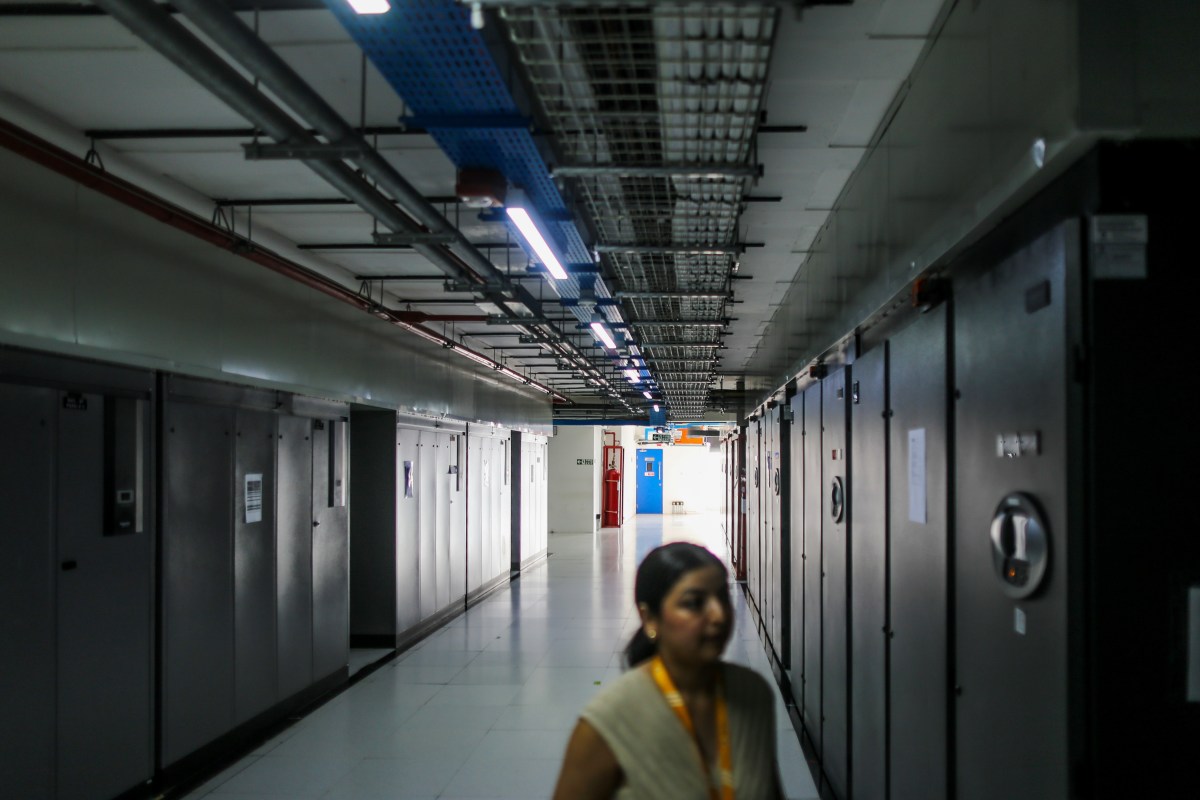
“`html
Data Centers Will Use 4x More Power by 2035
The world’s data centers are about to become the biggest energy story of the decade. Global data center electricity consumption is expected to quadruple by 2035, reaching over 1,800 terawatt-hours per year, according to the International Energy Agency. That’s more power than Japan uses in a year. If you’re in crypto, tech, or finance and you’re not thinking about this, you’re already behind.
Why the Power Demand Is Exploding Now
This isn’t a prediction about some distant future. It’s happening right now. In 2022, data centers consumed around 460 terawatt-hours of electricity globally, according to the International Energy Agency. That number is rising fast, driven by AI model training, cloud computing expansion, and the continued growth of crypto mining operations worldwide.
Bitcoin mining alone consumes approximately 120 terawatt-hours per year, according to the Cambridge Centre for Alternative Finance. That’s comparable to the annual electricity use of a mid-sized country. And that’s before you add in proof of stake networks, blockchain infrastructure, and the wave of new AI data centers being built across the US, Europe, and Southeast Asia.
Goldman Sachs projected in 2024 that data center power demand in the US would grow 160% by 2030. We’re two years into that window and the acceleration has only gotten steeper. Nvidia GPU orders are backlogged. New hyperscale facilities are going up in Texas, Virginia, and Iowa. The power grid was not built for this.
The Real Story Nobody Is Telling You
Most people read this headline and think “that’s bad for the environment.” That’s the average person’s reaction. The sharp operator reads it and thinks about who wins and who gets squeezed.
Here’s who gets squeezed. Small crypto miners running operations in states with expensive electricity are already feeling it. The cost to mine one Bitcoin in the US averaged around $47,000 in late 2024, according to CoinShares. When power costs rise another 20 to 30%, that math gets brutal. A lot of small miners won’t survive the next four years.
Here’s who wins. Utilities with excess capacity. Nuclear operators. Natural gas peaker plant owners. And critically, any crypto mining operation that locked in long term power purchase agreements at today’s rates. The smart miners aren’t just mining crypto. They’re arbitraging electricity futures.
There’s also a real play in energy stocks and infrastructure REITs. Data center REITs like Equinix and Digital Realty have been climbing for years, but the real edge is in the power generation companies that feed them. The market hasn’t fully priced in what it means for the grid when you add 1,400 terawatt-hours of new demand over the next nine years.
I’ve talked to crypto operators who are now spending more time negotiating power contracts than they are trading. That tells you everything. The energy cost is the business now. The token is almost secondary.
If you’re running a crypto business or any tech operation with real compute costs, your expense management needs to be tight. I’d recommend getting your business spending on a dedicated platform like Wallester so you can track energy costs, vendor payments, and infrastructure expenses separately from your operating budget. When your electricity bill is your biggest line item, you need clean financial visibility.
What This Means for You
Let me be direct. If you’re a crypto investor, this changes how you evaluate mining stocks and mining tokens. The most valuable crypto companies in 2030 won’t be the ones with the best algorithms. They’ll be the ones with the cheapest power contracts.
Marathon Digital, Riot Platforms, and similar public miners are already racing to lock in power deals near wind farms and hydroelectric sources. That’s the game. Geographic location and power access matter more than hashrate efficiency right now.
If you’re building in AI or Web3, your infrastructure costs are going up. Plan for it now. Diversify your data center vendors. Look at providers based in regions with abundant and cheaper power like Quebec, Iceland, and parts of Texas near wind generation. Don’t assume your current cloud pricing holds for another three years.
And if you’re growing a team to build and manage these operations, get your payroll sorted before you scale. A tool like Gusto keeps compliance simple when you’re adding engineers, site managers, and energy analysts across multiple states. Operational chaos during a growth phase is expensive in ways that don’t show up until it’s too late.
The average person sees an energy cost as a utility bill. The owner sees an energy cost as a strategic asset. One side will be scrambling to survive higher margins. The other side will have positioned for it years in advance.
The Bottom Line
Data centers burning 4x more power by 2035 isn’t a climate story. It’s a wealth transfer story. The money flows to whoever controls cheap power. In crypto, that means miners with smart energy contracts win and everyone else gets priced out. The grid isn’t waiting for you to figure this out. Either you’re on the right side of this trade or you’re paying for someone else’s profit margin.
Frequently Asked Questions
Why are data centers using so much more electricity?
Three things are driving it: AI model training requires enormous compute power, cloud computing demand keeps growing, and crypto mining operations have expanded globally. According to the International Energy Agency, these combined forces could push data center consumption to over 1,800 terawatt-hours by 2035, up from about 460 terawatt-hours in 2022.
How does rising data center electricity use affect crypto mining profitability?
Higher electricity costs directly cut into mining margins. According to CoinShares, the average cost to mine one Bitcoin in the US was already around $47,000 in late 2024. If power costs rise another 20 to 30%, many smaller mining operations will become unprofitable. Miners with locked-in low cost power contracts will have a major competitive edge as data center electricity demand drives up grid prices.
Which energy sources benefit most from data center power demand?
Nuclear, natural gas, and renewables near data center clusters stand to gain the most. Utilities in regions with surplus power capacity are already signing long term power purchase agreements with hyperscalers and mining operations. Wind and solar in areas like Texas and the Midwest are seeing renewed interest specifically because of data center load growth.
Is increased data center electricity use a risk or an opportunity for crypto investors?
It’s both. Mining companies without stable power contracts face real margin pressure as data center electricity demand pushes prices higher. But miners and infrastructure operators positioned near cheap power sources have a defensible moat that only gets stronger over time. Look at power contracts and geographic location when evaluating any mining investment.
What should a small crypto operator do right now to prepare?
First, get a real energy cost analysis done on your current setup. Second, explore colocation options near renewable energy sources where power is cheaper and more stable. Third, model your unit economics under 20%, 30%, and 50% higher power costs to know your break-even threshold. The operators who survive the next wave will be the ones who did this math early.
“`
Get stories like this in your inbox. Daily.
Free. No spam. The AI, tech, and finance stories that move money.