The Benderson Brief: Nvidia stops server shipments to four Southeast Asian countries
Nvidia halts server shipments to Malaysia, Singapore, Thailand and Indonesia, a cooling outage delays a $380 million data center bond, Fluidstack buys a warehouse for 300 MW, Aurora pauses data centers, and US robot density ranks 8th.

Friday after Thanksgiving, and the AI buildout did not take the day off. Nvidia froze server deliveries into four Southeast Asian countries, a data center bond deal tripped over a cooling unit, and a warehouse in Pennsylvania became a 300 MW power question. Five stories, plain numbers.
1. Nvidia stops server shipments to Malaysia, Singapore, Thailand and Indonesia
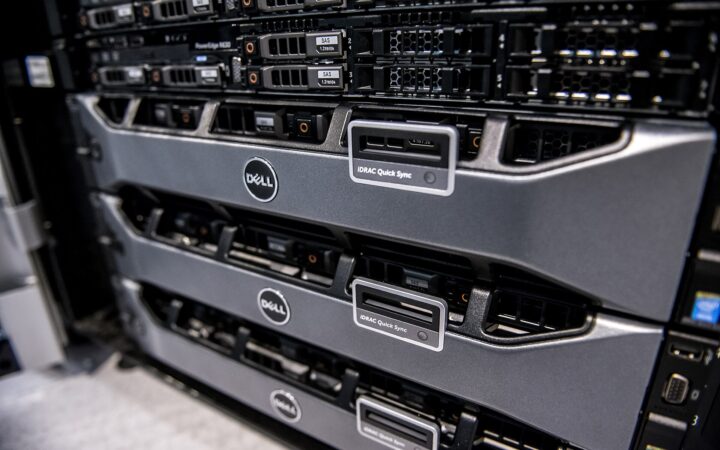
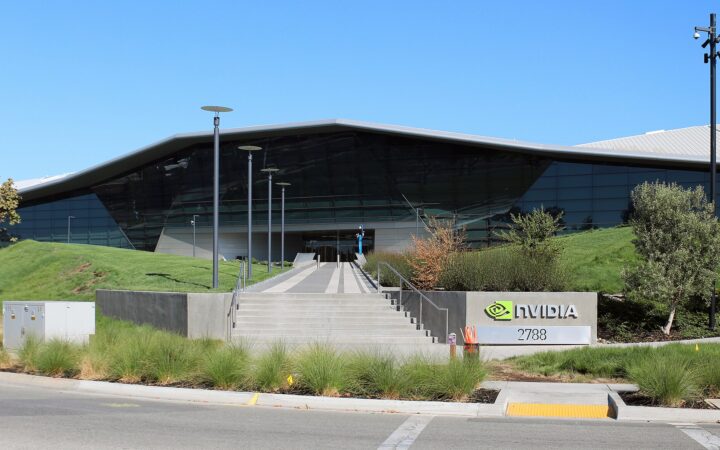
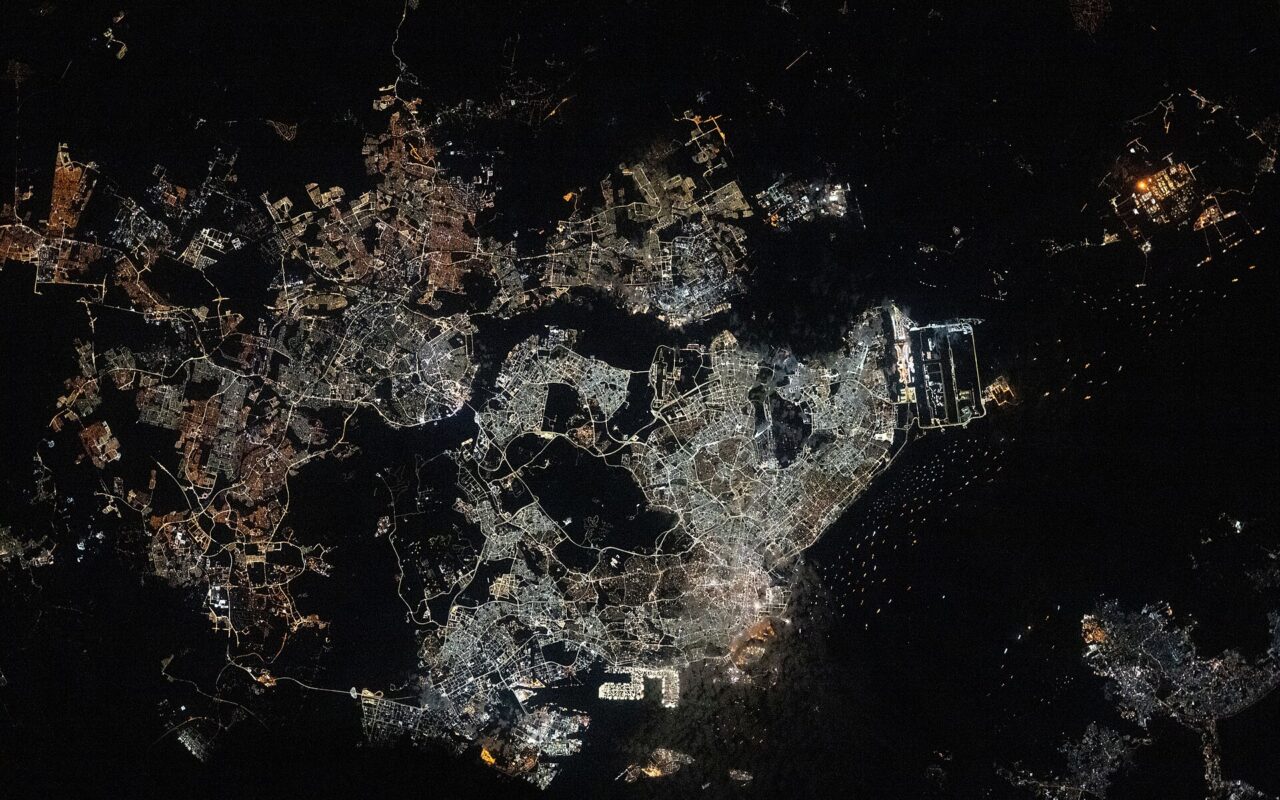
Nvidia has told its manufacturing partners to stop shipping servers that contain its chips to Malaysia, Singapore, Thailand and Indonesia, Reuters reported via Business Standard, citing the Financial Times. Dell and Supermicro told buyers in those countries their orders would not ship, and it is unclear whether the halt is temporary. TrendForce reports the new Commerce rule gives cloud providers 90 days to get licenses by showing their end users are not restricted entities, and that lenders suspended a $480 million loan to Aolani Cloud for Nvidia GPUs in Malaysia, citing Bloomberg. We covered the remote access rule behind this on Nov 17.
Brandon’s Take: A ship hold is a factory problem before it is a policy problem. Racks built to a customer’s configuration do not resell cleanly, so every week of hold is inventory and floor space the server makers carry, which matters for the thin margins we broke down in our AI server profit analysis.
2. A 148 minute cooling outage delays a $380 million data center bond
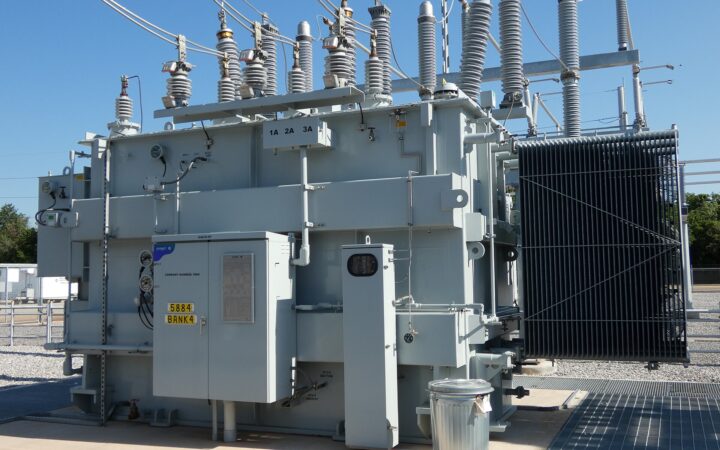
Compass Datacenters pushed back a $380 million asset backed securities sale it no longer expects to finish this year, Briefs Finance reported, citing Bloomberg. A Nov. 17 cooling outage pushed temperatures above contract limits for 148 minutes after a third party maintenance team shut down a cooling unit while the maximum number of other units was already offline; Compass called it human error. The deal is backed by six data centers totaling 216 MW, each on a 15 year lease to a AAA rated tenant, and price talk on an $85 million slice had already widened to 2.1 percentage points over the benchmark from about 1.95.
Brandon’s Take: This is a maintenance procedure failure, not an equipment failure, and bond buyers priced it anyway. In any plant, the lockout plan is only as good as the person checking how many redundant units are already down before the next one goes off.
3. Fluidstack pays $162.9 million for a warehouse to turn into a 300 MW data center
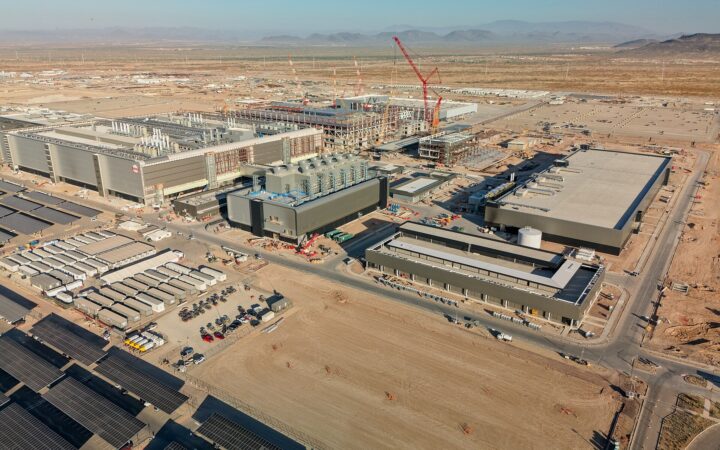
Prologis sold a 1 million square foot warehouse at 2500 Liberty Drive in Northampton County, Pennsylvania to Fluidstack for $162.9 million, about $161 per square foot, Commercial Property Executive reported. The building was finished in 2023 on 85 acres, and the conversion plan calls for about 300 MW of capacity with power from PPL Electric Utilities, a new substation and closed loop cooling. Allen Township supervisors approved the plan unanimously in March.
Brandon’s Take: By our math that is about $543,000 per planned megawatt for land, shell and approvals, a small slice of what the electrical gear inside will cost. The real asset here is the zoning vote and the substation path, which is what buyers of empty warehouses are now paying for.
4. Vantage drops its Aurora campus and the city passes a moratorium
Vantage Data Centers will not build its Trident campus at its proposed Aurora, Colorado site near Green Valley Ranch neighborhoods, The Denver Gazette reported. Trident was planned as two stories and 1.5 million square feet on 108 acres, and Vantage cited recent community concerns without naming a new site. City Council then passed a temporary data center moratorium unanimously through September 2027, its third moratorium vote since August.
Brandon’s Take: Site selection now has a new long lead item: the neighbors. Our ballot measures analysis showed the same pattern, and every developer that loses a site restarts its power and permitting clock.
5. US factories run 323 robots per 10,000 workers, eighth in the world
Global robot density in manufacturing reached a record 152 robots per 10,000 employees, according to the International Federation of Robotics, as Robotics 24/7 reported this week. South Korea leads at 1,066, Singapore has 873 and Germany 469, while the United States ranks 8th at 323. China sits at 193, 19th, but its density rose 147% from 2020 through 2025.
Brandon’s Take: From the tooling side, the rate of change matters more than the ranking. Every new robot cell needs grippers, fixtures and end of arm tooling, so China’s growth rate is a demand signal for that work, and it is why the humanoid race starts from a deep automation base there.
Number of the day: $104 billion
Nvidia revenue recorded through its Singapore subsidiary in 2025, up 72% from a year earlier, according to company accounts cited by TrendForce. Billing location is not where the chips end up, but it shows how much money runs through the region now under a shipping hold.
Get The Benderson Brief in your inbox every weekday morning. Follow @bendersonmedia on X for the daily charts.

Brandon Henderson
Brandon Henderson founded Benderson Media. He has spent more than 15 years in custom injection molding, tooling and global manufacturing, working with factories in China and Vietnam on programs for aerospace and consumer brands. He is a journeyman tool and die maker, CPSP certified, and a Six Sigma Green Belt. Benderson Media covers AI in the real economy: the factories, chips, power and money behind it.
Get The Benderson Brief
Five stories on robots, chips, power and AI money every weekday morning. Free. One click to leave.
Every figure in this piece links to its source. See our editorial standards. Nothing here is investment advice.