OpenAI crossed 100 million ChatGPT users in under two months, according to Reuters. Voice AI has been commercially available for years. It still hasn’t produced anything close to that kind of adoption. A growing number of senior executives are now saying out loud what the data already shows: voice AI hasn’t had its moment yet, and smart operators should stop pretending otherwise.
What Executives Are Actually Saying
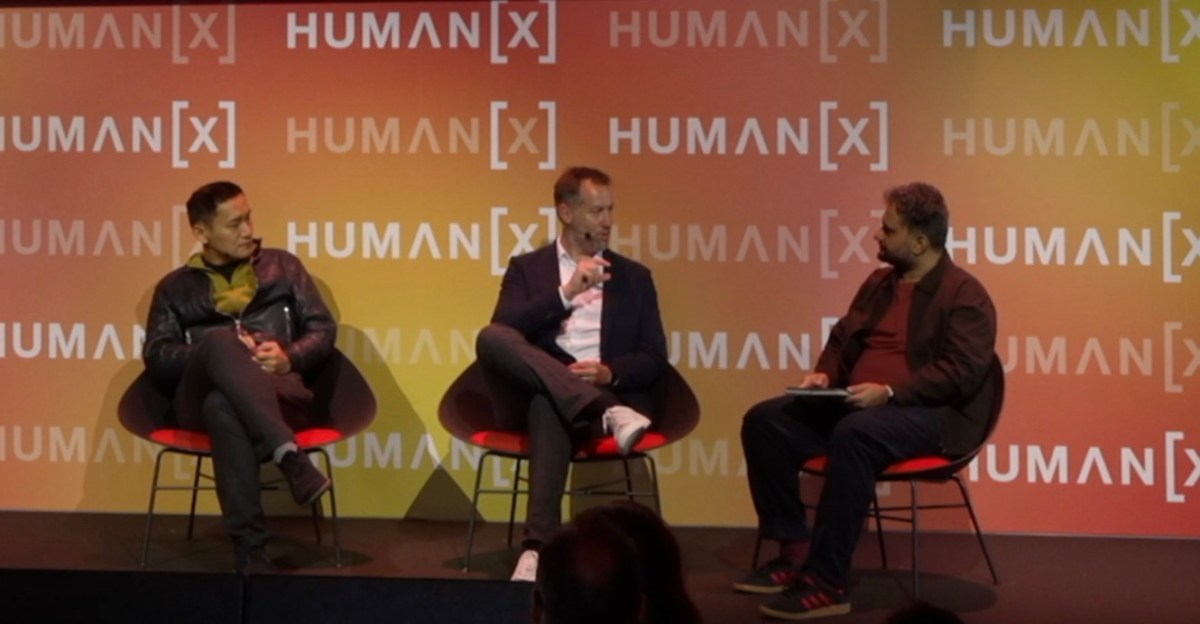
The conversation shifted publicly this year. Several CTOs and product leaders speaking at industry events told reporters from The Verge and TechCrunch that their voice AI pilots weren’t scaling the way they expected. The technology worked in demos. It didn’t stick in production.
The complaints were consistent. Voice interfaces require full attention. A customer on hold can’t skim back to double-check what the AI said. A field worker with dirty hands needs the interaction to work on the first try. These aren’t edge cases. These are the conditions under which most real voice AI deployments live.
According to Gartner research published in early 2026, only 9% of enterprises had deployed voice AI in a customer-facing role. More than 65% had deployed text-based AI tools in the same timeframe. That gap isn’t closing fast. And it tells you everything about where the actual money is flowing.
Why ChatGPT Worked and Voice Hasn’t
ChatGPT succeeded because it fit an existing mental model. People already knew how to type a question into a search box. ChatGPT felt like that, but the answer was actually useful. No new behavior required.
Voice AI asks something different. It asks you to have a conversation with a machine in real time, out loud, with no ability to pause or reread. In a quiet home that might be fine. In a warehouse, a call center, or a meeting, it breaks down fast.
The other problem is trust. People don’t trust voice AI the same way they’ve come to trust text AI. According to a 2025 survey by Salesforce, 73% of consumers said they preferred text-based AI support over voice AI when given a choice. The main reasons cited were accuracy concerns and the inability to review what was said.
I’ve watched companies spend six figures on voice AI projects that ended the same way: the AI worked fine, but users went back to texting or typing the moment they had a choice. That’s not a tech problem. That’s a behavior problem, and it’s a lot harder to fix.
There’s also a content creation angle here that most people overlook. The brands winning right now with AI aren’t doing it through voice. They’re doing it through video and text. A tool like InVideo AI lets you turn a written script into a polished video in minutes. That kind of output is easy to share, easy to watch on silent, and easy to search. Voice-only content is none of those things.
What This Means for You
Here’s what I’d actually do with this information right now.
First, don’t bet your customer experience on voice AI this year. If you’re running a small or mid-size operation, the trade-off isn’t worth it yet. The technology will get better. The user behavior won’t change overnight.
Second, if you want to experiment with AI, focus on text. Chatbots, AI-generated content, AI-assisted email. These are where the adoption is real and the ROI is measurable. According to McKinsey’s 2025 State of AI report, companies using text-based AI tools for customer service saw an average 20% reduction in handle time and a 15% increase in customer satisfaction scores. Those numbers are real. Voice AI can’t show you anything close right now.
Third, keep your costs low while you’re experimenting. The businesses that win in the early stages of any tech shift are the ones that don’t burn their capital on unproven bets. If you’re looking for AI tools to test without committing to expensive annual contracts, AppSumo carries a rotating list of lifetime deals on AI software. I check it before committing to any new subscription.
Fourth, watch voice AI in specific verticals. Healthcare and automotive are the two areas where voice AI is actually getting traction, because hands-free operation isn’t optional in those environments. If you’re not in those sectors, you’re not missing much right now.
The businesses that wait for real adoption signals before going all in will be in a much better position than the ones rushing to say they have a voice AI strategy. Right now, having a voice AI strategy mostly means having an expensive pilot that doesn’t move the needle.
The Bottom Line
Voice AI is not broken. It’s just not ready for the mass moment that text AI already had. The executives saying this out loud aren’t being pessimistic. They’re being accurate. Every dollar you put into a voice AI rollout right now is a dollar that could be generating measurable returns in text-based AI instead. The ChatGPT moment for voice will come. When it does, you’ll know it. You won’t need a consultant to tell you.
Frequently Asked Questions
Why hasn’t voice AI reached mainstream adoption yet?
Voice AI requires a different kind of user behavior than text-based AI. People can skim text, search it, and review it on their own time. Voice demands full real-time attention, which doesn’t fit most work environments. Until that friction is solved, adoption will stay limited.
What is the voice AI ChatGPT moment?
It’s the point where voice AI becomes so useful and frictionless that millions of people adopt it without being pushed. ChatGPT hit that moment with text AI in late 2022. Voice AI hasn’t hit it yet because the interface still adds friction instead of removing it.
Which industries are seeing the most voice AI adoption?
Healthcare and automotive are leading, according to industry analysts. Both sectors have specific hands-free requirements that make voice AI genuinely useful rather than optional. Outside of those verticals, real adoption remains low.
Should businesses invest in voice AI right now?
Not as a primary strategy. Text-based AI tools are delivering measurable results today. Voice AI is worth watching and running small pilots, but committing major budget before consumer behavior has shifted is a risky move with better alternatives sitting right next to it.
What should businesses focus on instead of voice AI?
Text-based AI is where the proven ROI lives right now. Customer service chatbots, AI content generation, and AI-assisted internal tools are all delivering results that are easy to measure. These are worth prioritizing over speculative voice AI bets.