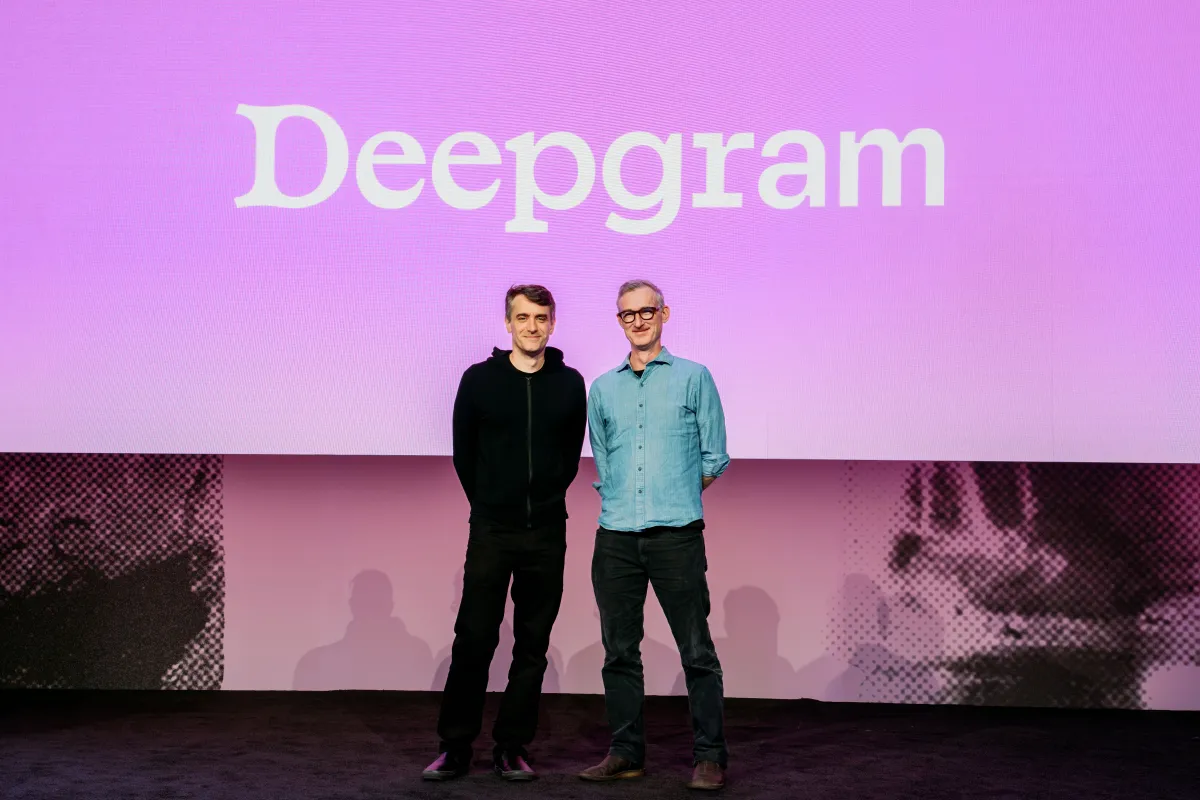
Most people will read this as a routine tech acquisition. I read it as a vertical takeover. Deepgram just acquired Daily, the company behind Pipecat, the open source framework powering real time voice AI agents. One company now controls speech recognition, real time audio transport, and the agent pipeline layer. That is not a product update. That is a chokepoint.
What Just Happened
Deepgram built its name in speech recognition. Fast, accurate, cheap transcription at scale. Developers picked it up because it beat the incumbents on latency and cost. Daily built WebRTC infrastructure for real time video and audio. Then Daily created Pipecat, an open source framework that lets developers chain together voice AI components into full agent pipelines. Think of Pipecat as the plumbing that connects your speech to text engine, your LLM, and your text to speech output into one working voice bot.
According to Deepgram, the acquisition brings together the full stack that voice AI developers need to ship production grade agents. That means one vendor controls three critical layers of the same product. Before this deal, developers were stitching those layers together themselves, picking from competing vendors for each piece. That world is ending fast.
The voice AI market is not a side bet. According to Grand View Research, the global voice and speech recognition market is projected to surpass 50 billion dollars by 2029. According to Pipecat’s own GitHub repository, the framework passed 15,000 stars in 2025, signaling strong developer adoption before Deepgram ever signed the check. This was not a distressed acquisition. Daily built something developers actually wanted, and Deepgram paid for the momentum.
The Vertical Integration Play Nobody Is Talking About
Here is what I think most coverage will miss. This is not about Deepgram adding features. It is about Deepgram becoming a platform. There is a real difference. When you are a feature vendor, you compete on price and accuracy. When you are a platform, you compete on switching costs.
Think about what Deepgram controls now. You want to build a voice AI agent? You need transcription. You need real time audio transport. You need a framework to orchestrate the pipeline. Deepgram has all three. You can still mix and match with competitors, but every layer you add from another vendor means more integration work, more latency risk, and more vendor contracts to manage. Most developers will default to the path of least resistance. That path now runs straight through Deepgram.
According to Vapi, one of Deepgram’s direct competitors in voice AI infrastructure, the number of enterprise companies deploying voice AI agents for customer service doubled between Q3 2024 and Q3 2025. That is a fast moving market. When a market moves fast, the companies that control the full stack win disproportionately. Amazon did this with AWS. Stripe did this with payments. Deepgram is trying to do it with voice.
The rich versus poor mindset applies here. The average developer will keep comparing transcription APIs on price per minute. The sharp operator will ask a different question: who do I want to be locked into when this market matures? Locking in early with a platform that owns the stack gives you better pricing, better support, and fewer integration headaches as you scale. That trade is worth making now while the platform still needs developers more than developers need the platform.
If you are building products that include video content around your voice AI work, tools like InVideo AI let you turn scripts and raw footage into polished video without a production team. Worth having in your stack if you are shipping demos or explainer content alongside your agent builds.
What This Means For You
If you are building voice AI products right now, here is what I would do.
First, evaluate Pipecat seriously even if you were not using it before. The open source version is still free. Deepgram’s ownership means it will get more resources and better integration with their transcription API. The risk of using an open source tool controlled by a vendor is real, but so is the upside of a well funded team pushing improvements into the framework you are already using.
Second, understand where your switching costs sit. If you are using Deepgram for transcription and Daily’s WebRTC infrastructure separately, consolidating now while pricing is still competitive might make sense. Wait two years and you may be negotiating from a weaker position.
Third, watch how Deepgram prices the bundled stack versus individual components. Platform companies almost always subsidize the entry price to drive adoption, then raise prices once switching costs are high enough. The time to lock in favorable terms is before that shift, not after.
For developers exploring the broader AI tooling market without enterprise budgets, AppSumo regularly surfaces lifetime deals on AI software tools including voice, automation, and agent infrastructure. Worth checking if you need to build a leaner stack while the big platforms figure out their pricing models.
On the hiring and resourcing side, this acquisition signals where serious engineering talent is going to concentrate. Teams building deep voice AI expertise will have more in the next hiring cycle. If you are managing a product team, staffing up on voice AI skills now costs less than staffing up after this market has fully tipped.
The Bottom Line
Deepgram did not buy Daily to add a feature. They bought it to own a category. Voice AI is going to be the default interface for a wide range of products inside five years, and the company that owns the stack from audio transport to agent orchestration to transcription will collect a tax on every voice interaction built on top of it. Most builders will not see this coming until Deepgram is already the obvious default. The time to pay attention to platform consolidation is before it feels inevitable.
Frequently Asked Questions
What is Pipecat and why does the acquisition matter?
Pipecat is an open source framework built by Daily for creating real time voice AI agents. It connects speech recognition, large language models, and text to speech into a single working pipeline. The acquisition matters because Deepgram now owns both the transcription layer and the orchestration framework, giving them control over two critical pieces of the voice AI development stack.
Will Pipecat remain open source after the Deepgram acquisition?
Deepgram has indicated Pipecat will remain open source following the acquisition. That said, the tightest integrations and most advanced features will likely favor Deepgram’s own APIs over time. Developers should plan accordingly and monitor the project’s roadmap closely.
How does this affect voice AI infrastructure pricing?
Short term, bundled pricing from Deepgram may actually be competitive as they try to drive platform adoption. Longer term, consolidation in any market tends to reduce competition and increase pricing power. Lock in favorable terms now if you are building on this stack.
Who are Deepgram’s main competitors after this acquisition?
Deepgram competes primarily with AssemblyAI and Whisper on the transcription side, and with Vapi and Bland AI on the voice agent infrastructure side. No single competitor currently owns as complete a vertical stack as Deepgram does post acquisition. That is their advantage right now.
Is voice AI infrastructure a good area to build products in 2026?
According to Grand View Research, the global voice and speech recognition market is on track to exceed 50 billion dollars by 2029. The infrastructure layer is maturing fast but the application layer is still wide open. Building products on top of voice AI now, rather than building the infrastructure itself, is where the best risk to reward ratio sits for most founders.