Most Disrupt attendees will sit through six keynotes and leave with a tote bag. A smarter group will spend those same hours in 20-person roundtables and walk out with contacts worth more than the $2,500 ticket price. There are 18 interactive roundtable sessions at Disrupt 2026. Most people will not attend a single one.
The Conference Everyone Thinks They Understand
TechCrunch Disrupt has run for over a decade. It launched careers, sparked acquisitions, and put startups like Dropbox and Yammer on the map. The 2026 edition returns to San Francisco with its biggest roundtable slate yet, covering everything from AI agent infrastructure to fintech regulation to creator monetization.
The format shift matters. According to Bizzabo’s 2025 Event Experience Report, 78% of conference attendees say the most valuable part of any event is small-group conversation, not keynote presentations. Yet most people still race to grab front-row seats for the big-name talks while the roundtable sign-up sheets stay half empty.
That gap is the opportunity. I’ve watched builders miss it at every major conference for the past five years.
Why the Keynote Line Is the Wrong Line to Stand In
Here is the economics of a conference keynote. A speaker has 45 minutes to communicate to 3,000 people. That means each person in the audience gets about one second of actual value delivery. The speaker talks in generalities because they have to. Anything too specific loses 80% of the room.
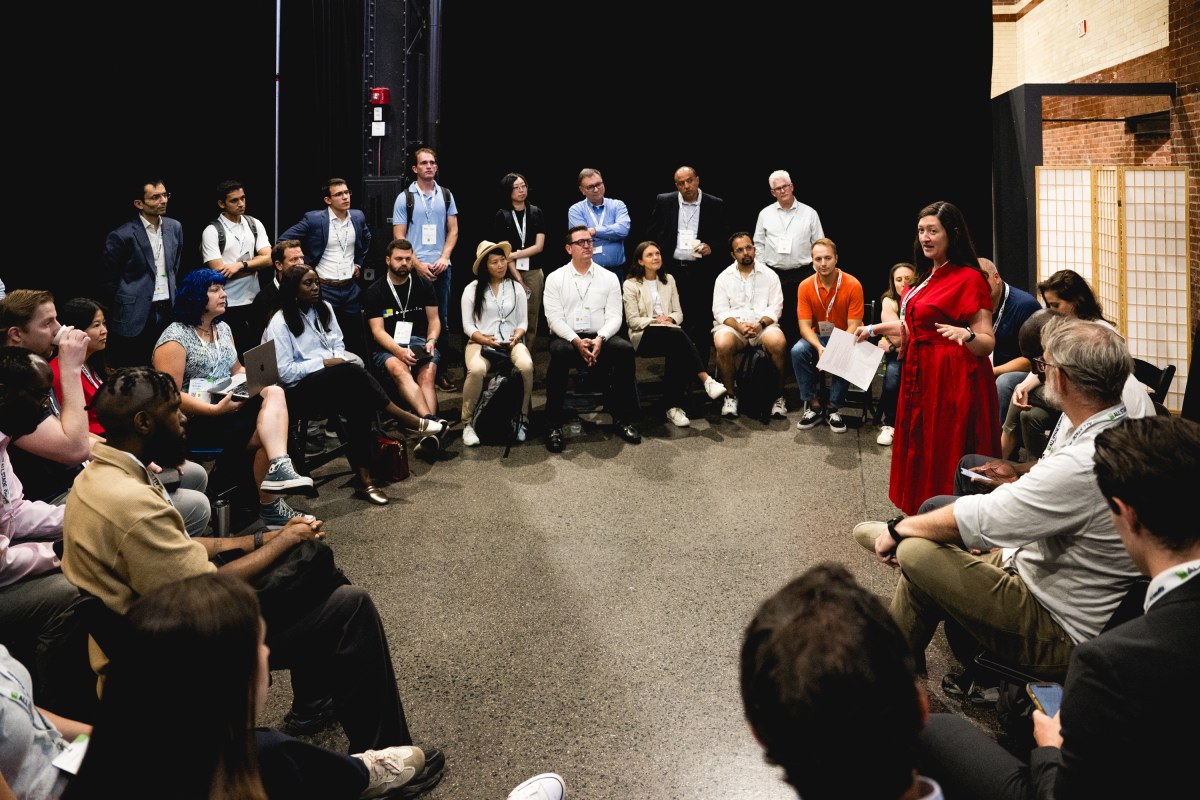
Roundtables work differently. You get 20 people in a room for 60 to 90 minutes. The facilitator steers a real conversation. You ask real questions. You hear real answers, not polished talking points designed to avoid controversy.
According to Event Manager Blog, attendees who participate in at least one interactive session at a conference are 3.4 times more likely to report the event as “worth the investment” compared to attendees who stick to keynotes only.
I’m not surprised by that number. The best intel I’ve ever gotten at a tech conference came from a 15-person dinner table in Austin in 2024. No cameras. No press. Just founders talking honestly about what was working and what was failing. That kind of conversation cannot happen on a stage.
The rich vs. poor mindset divide shows up clearly at conferences too. The person with a poor mindset shows up to be entertained. They want to hear someone say something quotable so they can post about it on LinkedIn. The person with an owner’s mindset shows up to gather information they can use to make a move. They want to sit across from the VP of partnerships at a fast-growing AI company and figure out if there’s a deal to be made.
Roundtables are built for the second type of person. Every session at Disrupt 2026 is a closed conversation. No audience. No livestream. Just the people in the room.
If you plan to document insights from these sessions or build content around the conversations you have, InVideo AI lets you turn rough notes and talking points into polished video content fast. That matters when you want to move quickly after a conference while everything is still fresh.
What I Would Do With the 2026 Roundtable Schedule
The full Disrupt 2026 roundtable lineup covers 18 sessions across three tracks: AI and automation, fintech and capital markets, and builder tools and infrastructure. The sessions run across both main conference days and include facilitators from firms like a16z, Sequoia, and several prominent YC alumni.
Here is what I would prioritize.
First, I would target the sessions where the facilitator is an active investor, not a journalist. Journalists ask interesting questions. Investors tell you where the money is going. Those are very different conversations.
Second, I would pick the sessions with the most friction in the topic. A roundtable titled “AI and the Future of Work” will attract everyone and produce nothing memorable. A session on “Regulatory pressure in fintech payments: who survives 2027” will attract fewer people but they’ll all have real skin in the game. According to Harvard Business Review, small-group discussions with high-stakes topics produce 60% more actionable takeaways than general interest panels.
Third, I would show up early to every session I registered for. The seating is open. Where you sit shapes who you talk to during the session and who you walk out with afterward.
After the conference, the real work starts. I’d go through every session’s notes and identify which contacts I need to follow up with in the next 48 hours. AppSumo has lifetime deals on outreach and follow-up workflow tools that make this process cheaper and faster, worth checking if you’re doing this regularly and don’t want to pay monthly SaaS rates forever.
The window to act on conference connections is short. Most people wait a week and then wonder why nobody responded.
The Bottom Line
Disrupt 2026 has 18 roundtables that almost nobody will prioritize. That is your edge. The keynotes will be clipped, shared, and forgotten by Friday. The conversation you have in a 20-person room on Wednesday afternoon might still be paying off in 2028. Stop watching the conference. Get in the room.
Frequently Asked Questions
What are the interactive roundtables at TechCrunch Disrupt 2026?
The TechCrunch Disrupt 2026 roundtables are small-group sessions of 15 to 25 people that run alongside the main stage programming. They cover AI, fintech, and builder tools, with active discussion rather than a one-way presentation format. Registration is included with a full conference pass but seats fill fast.
How do I register for a specific TechCrunch Disrupt 2026 roundtable?
Roundtable seats are available through the Disrupt attendee portal once you have a confirmed ticket. Sign up as soon as registration opens because the most in-demand sessions close within hours. The fintech and AI infrastructure tracks tend to fill first.
Are TechCrunch Disrupt roundtables worth it for early-stage founders?
Yes, especially if you’re pre-seed or seed stage. These sessions give you access to investors and operators who won’t take a cold email but will talk openly in a structured small-group setting. One conversation in the right room can shorten a fundraising timeline by months.
What topics do the TechCrunch Disrupt 2026 roundtables cover?
The 2026 lineup spans three main tracks: AI and automation, fintech and capital markets, and builder tools and infrastructure. Individual sessions cover themes like AI agent deployment, fintech regulation, creator monetization, and go-to-market strategies for B2B SaaS companies.
How are the Disrupt 2026 roundtables different from the main stage panels?
Main stage panels are broadcast and recorded. Roundtables at TechCrunch Disrupt 2026 are closed, off the record, and limited to registered participants. The smaller format means facilitators can push back on vague answers and participants can ask the questions they’d never ask in front of a full room.