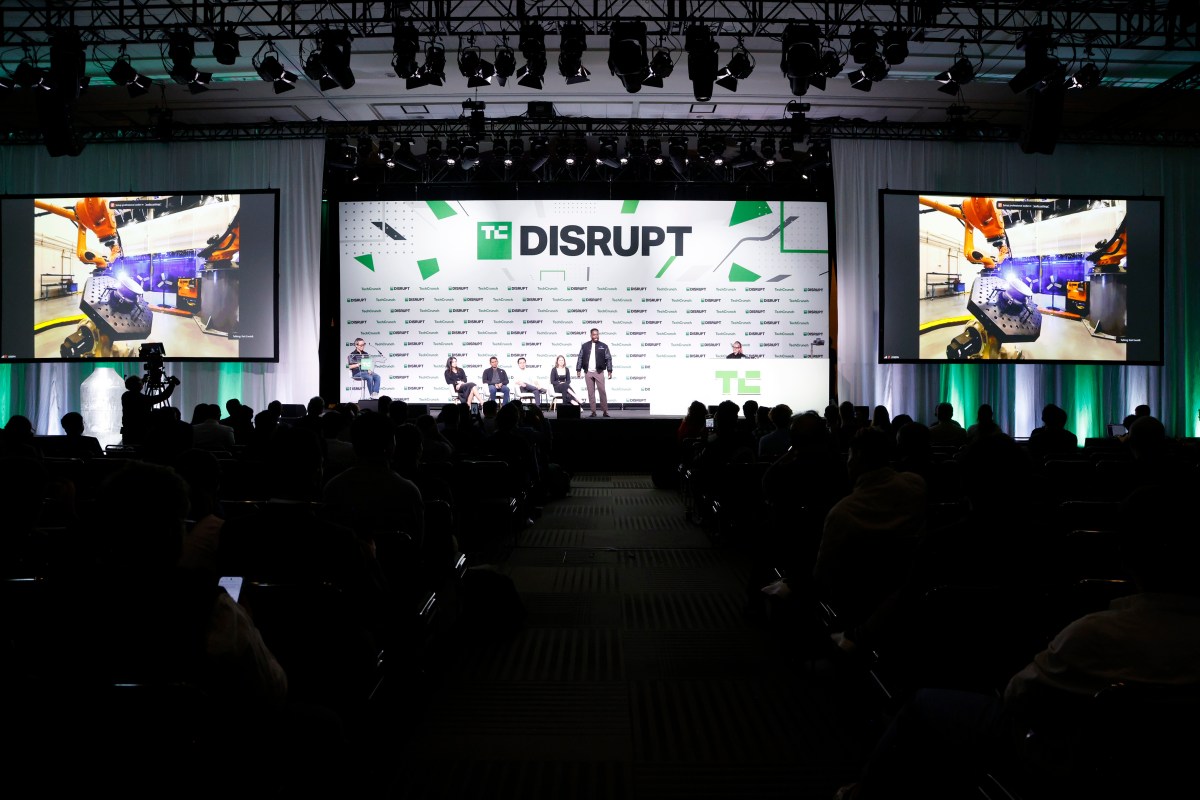
Three days. More than 40 speakers. One stage where $50 million in funding conversations start over handshakes in the hallway. The final TechCrunch Disrupt 2026 lineup just went live and I’ll tell you right now: the speaker list is a map of where smart money is actually going.
Why This Lineup Matters Right Now
TechCrunch Disrupt has been the proving ground for tech founders since 2011. Airbnb pitched there. So did Dropbox. According to TechCrunch, more than 10,000 attendees are registered for the 2026 event in San Francisco, a jump of nearly 20% from the 2024 attendance figures. That is not a coincidence. That is a signal.
The 2026 lineup tells a very specific story. AI infrastructure, autonomous agents, and fintech rails are dominating three of the five main stage tracks. The era of “let me show you our chatbot demo” is over. The conversations on this stage are about who owns the picks and shovels when AI runs at scale. According to PitchBook, AI infrastructure deals in 2026 averaged $47 million per round in the first half of the year, up from $28 million in the same period in 2025. The founders on this stage are competing for exactly that money.
What the Final Lineup Actually Reveals
Most people will read the speaker names and nod along. The real story is in what is not on the stage.
Consumer AI is almost entirely absent. No social apps. No personal productivity wrappers. The stage went to builders working on B2B infrastructure, payments, and autonomy. That tells you exactly what institutional investors are funding right now and what they quietly stopped backing six months ago.
The Startup Battlefield is where this gets interesting. According to TechCrunch, past Battlefield winners have gone on to raise a combined total of over $9 billion in post event funding. The 2026 cohort skews heavily toward companies building agent orchestration tools, real time compliance infrastructure, and vertical AI models trained on proprietary data. These are not consumer plays. These are B2B companies with real revenue potential and real defensibility.
Here is my contrarian read: the crowd at Disrupt is not the audience that matters. The 200 investors walking the floor are. Every panel, every keynote, every offstage dinner is a temperature check on what those 200 people will sign a term sheet for in Q4 2026. The public lineup is the menu. The real conversations happen in the rooms you cannot get into.
That said, if you are building in AI or fintech right now, you should be watching every hour of this conference. The density of signal is unusually high this year. I have been to four of these events. This one feels different. The divide between people who understand where tech capital is moving and people who do not is sharpening fast. The founders on stage are not talking about getting rich. They are already there. They are talking about the next layer of the game.
If you want to turn what you watch into content for your own brand, a tool like InVideo AI makes it fast to clip keynote highlights and build short video summaries you can post the same day. The founders who build a public presence around events like this tend to raise easier and hire faster. That is just how it works now.
What This Means for You
If you are not in San Francisco this week, you are not out of the loop. TechCrunch is streaming the main stage live. But watching is not enough. Here is what I would do.
First, track which companies get the warmest reaction in the Startup Battlefield. That is a leading indicator of where venture money flows in Q1 2027. Write those company names down. Watch where their founders go next.
Second, pay attention to the B2B fintech track. According to Crunchbase, B2B fintech raised $14.3 billion globally in the first two quarters of 2026. The founders speaking on that track are competing for the next wave of that capital. The ideas they surface publicly are the ones they think will resonate with investors. That is basically a free look at the pitch deck.
Third, treat this as a three day research sprint. If you want to go deeper on the tools side, AppSumo regularly surfaces early stage software from companies in exactly these spaces at lifetime pricing, which means you can lock in access before prices scale with the funding rounds. Founders who moved early on AI infrastructure tools in 2024 saved real money when those same tools repriced after their Series A.
The people who win from events like Disrupt are not always the ones on stage. They are the ones who watch carefully, connect the dots early, and move before the news cycle catches up.
The Bottom Line
TechCrunch Disrupt 2026 is not a conference. It is a three day snapshot of who controls the next wave of tech capital and how they think about it. The final stage lineup makes one thing clear: infrastructure, agents, and B2B fintech are where serious builders are placing serious bets. If you treat this week as noise, that is your choice. I am treating it as one of the best free research opportunities of the year. The room is full of people writing checks. Pay attention to what they clap for.
Frequently Asked Questions
What is TechCrunch Disrupt 2026?
TechCrunch Disrupt 2026 is the annual technology conference run by TechCrunch in San Francisco. It features a main stage with keynote speakers, a Startup Battlefield competition for early stage companies, and three days of investor networking.
How do I watch the TechCrunch Disrupt 2026 stage lineup live?
TechCrunch streams the main Disrupt stage on their website and YouTube channel. The full schedule with speaker times is listed on the TechCrunch events page. Most sessions are available to replay after they air.
What kinds of companies are featured in the Disrupt 2026 Startup Battlefield?
The 2026 Battlefield cohort is weighted toward B2B AI infrastructure, autonomous agents, and fintech compliance tools. Consumer app pitches are largely absent from this year’s lineup, which reflects a broader shift in where institutional capital is going.
Why does the Disrupt stage lineup matter for investors?
According to TechCrunch, past Startup Battlefield winners have collectively raised over $9 billion in post event funding. The companies and topics on stage reflect what institutional investors are actively backing in that funding cycle. Watching the Battlefield is a cheap way to spot the next generation of well funded startups early.
Is attending TechCrunch Disrupt 2026 worth it for founders?
If you are building in AI, fintech, or B2B software, the investor density makes it worth the cost. The real value is not the panels. It is the hallway conversations with the 200 plus investors walking the floor who are actively looking for their next deal.