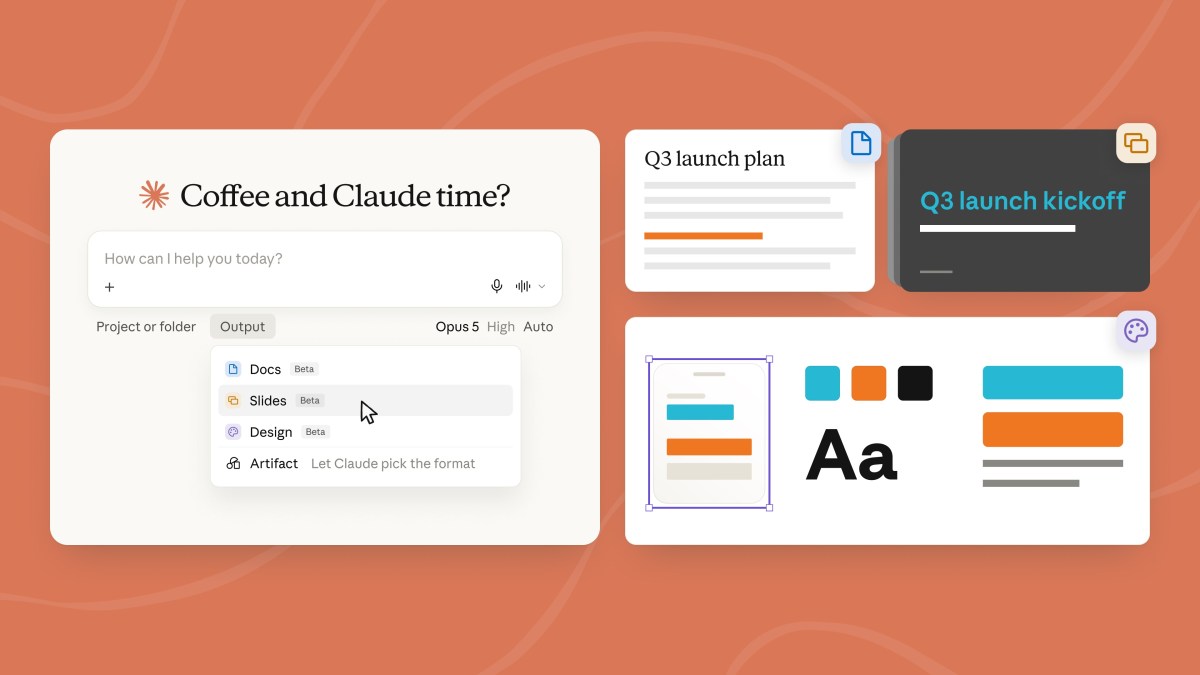
Anthropic just deleted the line between talking to an AI and working inside one. The company merged Claude.ai and Cowork, its team collaboration product, into a single interface. According to Anthropic, the unified platform now serves more than 14 million active users. If you pay for any AI tool subscriptions right now, this changes your math.
What Anthropic Actually Did
For the past two years, Claude ran on two separate tracks. Claude.ai handled personal and individual use. Cowork handled team environments, shared documents, and business workflows. They had different pricing, different UIs, and separate login systems.
As of September 2026, those two products are one. Every user lands in a single interface. Individual accounts, team plans, and enterprise agreements all live inside the same product shell. Shared workspaces, document collaboration, and personal chat exist side by side without switching apps.
The timing isn’t accidental. OpenAI launched its unified operator and canvas workspace in early 2026. Google folded Gemini into Workspace for all paying accounts in March 2026, according to Google’s official product blog. Anthropic needed to answer both moves at once.
According to a16z’s 2026 AI market report, enterprise AI tool budgets grew 180% year over year through 2025, driven largely by teams stacking multiple AI subscriptions with overlapping features. Anthropic’s unified interface is a direct play to collapse that stack into one bill.
The Money Behind the Merge
Most workers will look at this and see a UI change. That’s the poor mindset response. The people who see money in this move are the ones who own businesses or control budgets.
Here’s the math. According to Gartner’s 2025 productivity software report, midsize companies spent an average of $340 per employee per year on AI tool subscriptions, often with three or four overlapping products doing similar things. A unified Claude platform cuts that overlap. If you run a team of 20 people, you’re potentially recapturing $4,000 to $6,000 per year in redundant software spend just by consolidating.
I’ve watched companies pay for project management tools nobody opens, AI writing tools that do what Claude already does, and team knowledge bases that sit empty. Nobody audits them because the individual line items look small. AI subscriptions are heading down the same path. The merge forces a decision. Build your workflow around Claude or consciously choose something else. Sitting still costs money.
For teams already using Claude, the Cowork merge changes how you track software spend. If you’re not watching your SaaS costs carefully, Wallester lets you issue virtual business cards per team member so you can see exactly which AI subscriptions are hitting each card and cut the ones that now duplicate what Claude does natively.
The bigger play here is organizational. Companies that centralize around one AI workspace will move faster than companies running four disconnected tools. Speed translates to revenue. That’s a real financial advantage whether you’re building or investing.
What This Means for You
If you’re a solo operator, upgrade to the individual Claude plan and start using shared workspaces. You can now give clients view only access to your working documents inside Claude without needing a separate Cowork seat. That’s worth real time every week if you work with outside collaborators.
If you run a team, here’s what I’d do right now.
First, run a two week audit of every AI tool your people actually open. Not what you’re paying for. What gets used. According to Asana’s 2026 work habits survey, 61% of employees use AI tools their employer didn’t provision because the official tool doesn’t meet their needs. If Claude’s unified interface closes that gap, you can consolidate fast and cut costs in the same move.
Second, fold the new tool into your hiring and onboarding process. If you use Gusto for payroll and HR, you can add the Claude workspace access directly into your onboarding checklists so every new hire is set up on the right plan from their first day. Don’t let tool adoption drift across your headcount.
Third, review your data retention rules. Claude’s unified interface now stores more of your team’s work inside Anthropic’s infrastructure. That’s fine for most businesses. It’s a real compliance question for anyone in healthcare, legal, or financial services. Check your enterprise agreement terms before you consolidate everything into the platform.
The Bottom Line
Anthropic didn’t build this for your convenience. They built it to own the enterprise seat and keep you from leaving. The businesses that treat this as a routine product update will keep paying for overlapping tools and wonder why their margins stay thin. The businesses that rebuild their AI workflow around a unified Claude today will run leaner and faster. That gap compounds every quarter until it’s a real competitive cost advantage. Your competitors are making the decision right now.
Frequently Asked Questions
What is the Anthropic Claude and Cowork merger?
Anthropic combined Claude.ai, its consumer chat product, with Cowork, its team collaboration suite, into one unified interface. Users now access personal conversations, shared workspaces, and team documents all from a single login without switching products.
How does the merged Claude platform affect pricing?
According to Anthropic’s updated pricing page, team plans start at $25 per seat per month with full access to all collaboration features. Existing Cowork subscribers were migrated into the new unified tiers automatically. Individual plans remain available for solo users.
How does Claude’s merged platform compare to OpenAI’s workspace?
Both are racing toward the same goal: one AI workspace that replaces multiple productivity tools. Claude’s advantage is its long context window and enterprise grade privacy commitments. OpenAI’s operator mode has a head start in agent-driven automation as of mid 2026.
Should I cancel other AI tools right after the merge?
Don’t cancel anything yet. Run a 30-day pilot with your team inside Claude’s unified interface first. Then cut subscriptions that have direct feature overlap once you’ve confirmed the replacement actually works for your real workflows.
Is the unified Claude platform safe for sensitive business data?
Anthropic’s enterprise tier includes data residency options and a zero training data policy for your content. If your business handles regulated data in finance, healthcare, or legal services, you need the enterprise agreement specifically. The standard team plan doesn’t carry the same protections.