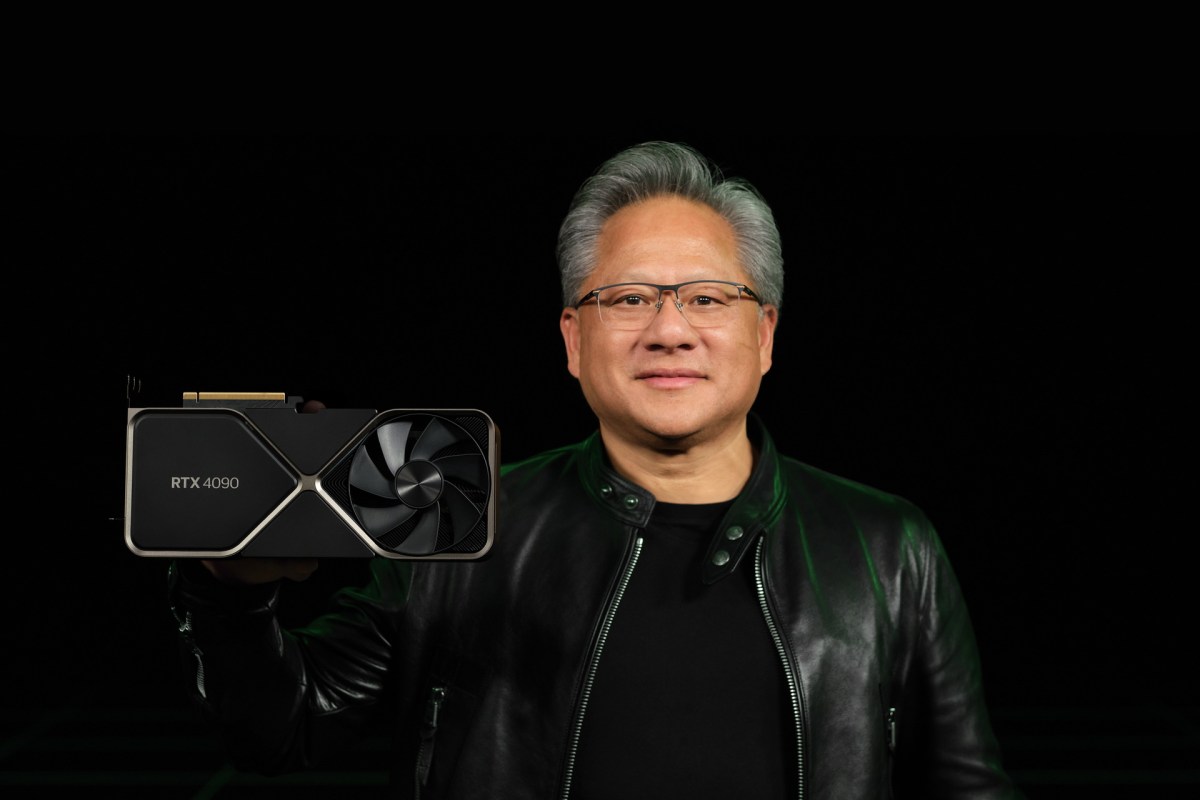
The FBI opened an investigation into a Chinese intelligence operation targeting Jensen Huang, CEO of Nvidia. This is not a corporate security story. It is proof that the semiconductor war between the U.S. and China has moved beyond trade policy and into active espionage. The man who controls the most important chips in the world became a government target.
Why This Is Happening Right Now
Nvidia controls roughly 80% of the AI chip market, according to analysts at TechInsights. Jensen Huang is not just a CEO. He is the single person most responsible for the hardware that powers modern AI. China needs what Nvidia builds. The U.S. has blocked them from getting it legally. So China’s intelligence apparatus did what it does when legal channels close: it went around them.
The U.S. Department of Commerce restricted exports of Nvidia’s most powerful chips, including the H100 and H200, to China starting in 2022. Those restrictions tightened again in 2023 and 2024. According to the Semiconductor Industry Association, China has invested over $50 billion in its domestic chip industry since 2019. Despite that spending, China’s leading chipmaker still trails years behind what TSMC produces. They cannot build what Nvidia sells. So they looked for another way in.
The Real Play Here
Most people read “spy plot” and think cloak and dagger. That misses the point entirely.
This is economic warfare at the highest level. Nvidia’s chips are the bottleneck for building competitive AI. China knows this. If you compromise the CEO of the company that makes those chips, you gain access to architecture details, export workarounds, customer lists, and supply chain vulnerabilities worth tens of billions of dollars.
According to the FBI’s 2024 annual threat assessment, China runs more espionage operations against U.S. technology companies than any other foreign government. The bureau reported over 2,000 active investigations tied to Chinese intelligence as of that report. Nvidia, as the most valuable semiconductor company in the world, sits at the top of any target list.
Here is what I think most business owners get completely wrong about this: they treat it as a government problem. It is not. When foreign intelligence agencies target a CEO, they rarely attack the front door. They find a trusted vendor. A contractor. A third party service provider with access to internal systems. They exploit the supply chain around the target, not the target directly.
That is the play. It has always been the play. And it works on companies of every size, not just Nvidia.
The rich investor mindset says: if China is willing to run a covert operation against the most powerful man in chips, what does that tell you about where the real value is? It tells you semiconductor infrastructure is more strategic than most investors realize. It tells you Nvidia’s moat is wide enough that foreign governments will break laws to get around it. That is not a risk factor. That is a competitive signal.
What This Means for You
If you run a business that works with technology vendors, contractors, or distributed teams, you are exposed in ways you have not thought about. You do not need to be Nvidia. You need to be in the same supply chain. And a lot of people reading this are.
Here is what I would do right now.
First, audit who has access to your payroll and financial accounts. Most small and midsize businesses use a payroll platform like Gusto, which lets you tightly control who can see compensation data and run payroll. Separating that access from your broader team means one compromised contractor cannot take down your whole financial operation.
Second, think hard about your business card and expense infrastructure. Business credit cards are one of the most common entry points for financial fraud at the small business level. A platform like Wallester lets you issue virtual business cards with spending limits tied to specific vendors, so a compromised contractor cannot run charges beyond their approved scope. That kind of access control is worth implementing before you need it.
Third, understand that the espionage economy does not stop at the Fortune 500. The FBI has documented that Chinese intelligence uses “living off the land” techniques. That means they use software already installed in your environment rather than dropping obvious malware. It makes detection much harder and the entry point can be something as simple as a shared project management tool.
According to IBM’s Cost of a Data Breach Report, the average cost of a data breach in the technology sector reached $5.04 million in 2024. For most small businesses, that number does not mean a bad quarter. It means closing down.
The Bottom Line
China targeted the most powerful man in semiconductors because they cannot build what he sells. That tells you everything about who holds the cards. Nvidia’s chips are so valuable that a foreign government put intelligence resources against the CEO personally. If you build anything with those chips, or if you work with companies that do, you are part of the same supply chain. The threat is not abstract. Treat your access controls like the asset they are.
Frequently Asked Questions
What was the Chinese spy plot targeting Nvidia CEO Jensen Huang?
U.S. authorities investigated a Chinese intelligence operation that targeted Jensen Huang, CEO of Nvidia. The operation was linked to China’s broader effort to acquire advanced semiconductor technology that U.S. export controls have blocked from reaching Chinese buyers. The FBI has confirmed China as its top counterintelligence priority in the technology sector.
Why would China target Nvidia’s CEO specifically?
Nvidia makes the chips that power the most advanced AI systems in the world. China’s domestic semiconductor industry cannot produce comparable chips, despite massive government investment. Targeting the CEO gives intelligence agencies potential access to chip architecture, supply chain data, and export workaround strategies worth far more than any single product purchase.
How does this Chinese spy plot affect businesses outside semiconductors?
Foreign intelligence agencies use the same supply chain infiltration tactics against smaller businesses that they use against large ones. Vendors, contractors, and third party software providers are common entry points. Any company handling sensitive financial or technical data should treat this as a prompt to audit who has access to critical systems.
What is the U.S. government doing about Chinese espionage in tech?
The FBI and DOJ have significantly expanded counterintelligence operations focused on China. The FBI had over 2,000 active China-related investigations as of its 2024 threat assessment, according to the bureau. Export controls on advanced Nvidia chips have tightened repeatedly since 2022, which is what accelerated Chinese intelligence interest in direct targeting.
Is the Nvidia spy investigation related to U.S. chip export restrictions?
Yes, directly. U.S. export restrictions on Nvidia’s most powerful chips cut off China’s legal access to the hardware needed for large-scale AI training. That restriction created a massive economic incentive for Chinese intelligence to find alternative ways to access Nvidia’s technology or the people who control it. The spy plot is a direct consequence of the chip war.