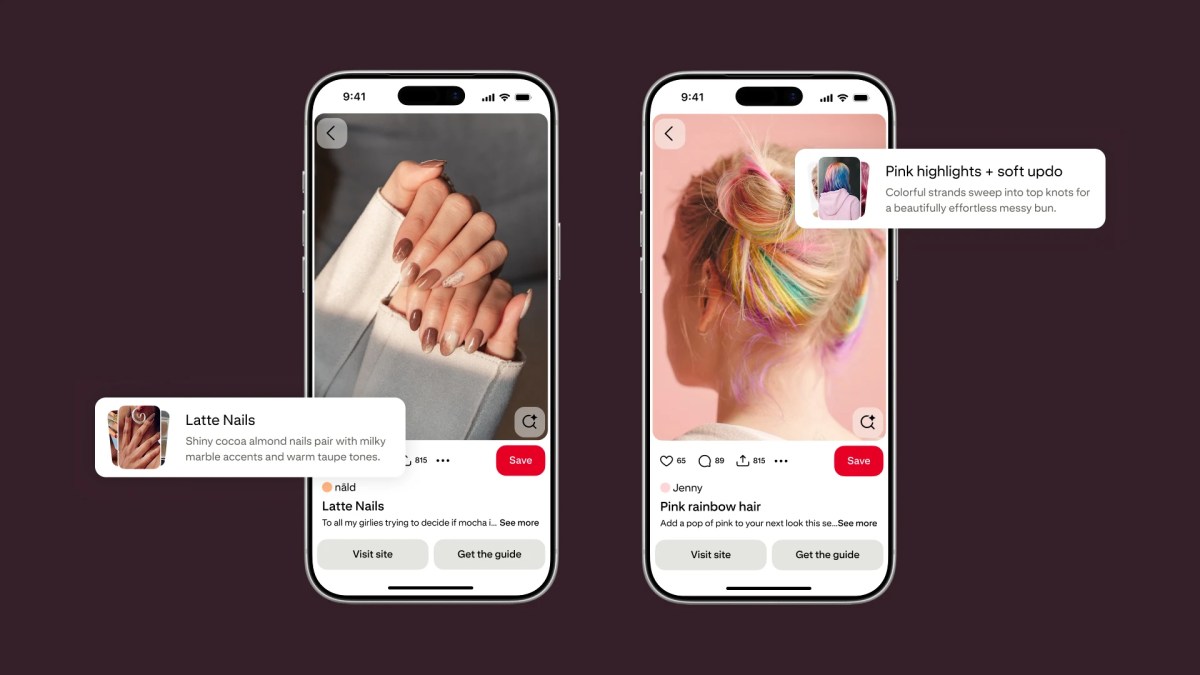
Pinterest just changed how 500 million people shop for beauty. Their new AI feature reads a saved Pin and builds a complete step by step plan around it: products, techniques, budget. According to Pinterest’s 2025 annual report, beauty searches on the platform grew 45% year over year. Most creators and brand operators are still treating Pinterest like a mood board. That’s the wrong move.
Why This Is Happening Now
Pinterest has been sitting on one of the most valuable intent signals in social media for years. When someone saves a beauty Pin, they’re not just browsing. They’re planning. According to eMarketer, Pinterest users are 70% more likely to convert on a purchase than users coming from other social platforms. The platform has more than 500 million monthly active users, according to Pinterest’s own investor materials, and beauty remains one of its three largest content categories.
The new AI feature, rolled out across iOS and Android in 2026, takes a saved Pin and generates a structured plan around it. Want to recreate a specific makeup look? The AI identifies the products used, estimates costs, lists application steps, and links to available inventory. It pulls from Pinterest’s existing product catalog and creator notes to build something closer to a tutorial than a static image.
This isn’t a gimmick. Pinterest has been building toward this for three years. Their visual search technology already identifies objects in photos. Adding a planning layer on top of that is a logical next step. The question isn’t whether this works. It’s whether you’re positioned to benefit from it.
The Real Opportunity Most People Will Miss
Here’s the part the average creator gets wrong. They see a new platform feature and think about how to consume it. Smart operators think about how to feed it.
Pinterest’s AI learns from structured content. If your Pins include clear product tags, detailed descriptions, and step by step notes, the AI can build richer plans from your content. Your Pin becomes the foundation of someone else’s action plan. That means every view compounds. According to Similarweb data from early 2026, Pinterest pages receive an average of 3.2 organic search visits per piece of content compared to 1.1 for Instagram. The platform was already built for discovery. This feature accelerates it.
The “poor” reaction to this news is to wait and see. Save some beauty Pins. Watch what the AI does. Marvel at the technology. The “rich” reaction is to ask: how do I make my content the source material this AI references? That means tagging every product. Writing descriptions that read like instructions. Building out content that the AI can actually parse and use in a plan.
According to Statista, the global beauty and personal care market is projected to reach $758 billion by 2026. A portion of that is being routed through social commerce platforms at an accelerating rate. Pinterest is positioning itself directly in that path. If you create beauty content, sell beauty products, or consult in this space, you now have a platform feature that can turn a single piece of content into a repeatable purchase funnel.
For video creators specifically, this creates a natural bridge between static Pins and video tutorials. If you’re building short form tutorial content, tools like InVideo AI let you spin up product walkthrough videos quickly and repurpose them across formats. The same tutorial that becomes a Pin can become a video that reinforces the action plan the AI generates.
What I Would Do With This Right Now
I wouldn’t wait for the feature to mature. The early content is what gets indexed, referenced, and recommended first. Here’s the approach I’d take.
First, audit every beauty Pin you’ve posted in the last 12 months. Add product tags if they’re missing. Rewrite descriptions to include step by step language. The AI needs structured input to produce structured output. Vague captions produce vague plans.
Second, build Pins specifically designed for AI parsing. That means one product per Pin focus, clear technique labels in the description, and price anchors when possible. “Under $30 foundation routine for dry skin” is more useful to the AI than “love this look.”
Third, treat Pinterest as a long form content asset, not a social feed. Unlike Instagram or TikTok, Pinterest content lives for years. A well structured Pin from 2024 still drives traffic in 2026. The AI planning feature extends that shelf life further because it gives users a reason to revisit saved content instead of letting it collect dust in a board they never open.
If you want to build out a full content toolkit without paying subscription fees on every new tool, AppSumo has lifetime deals on creator software that make sense when you’re building a content operation at scale. The goal is to own your workflow, not rent it indefinitely.
Finally, watch your analytics for the next 30 days. Pinterest’s own analytics dashboard will show you which Pins are driving “plan views” as the feature scales. Double down on whatever format is getting traction. This is testable data, not guesswork.
The Bottom Line
Pinterest turned passive inspiration into active planning. That’s a fundamental shift in how the platform creates value. The brands and creators who feed the AI structured content will get structured results: more saves, more plan builds, more purchases tied directly to their work. The ones who keep posting pretty pictures with no strategy will watch the algorithm route around them. I know which side I’d rather be on.
Frequently Asked Questions
What exactly does Pinterest’s new AI beauty feature do?
The feature reads a saved beauty Pin and generates a step by step action plan. It identifies products, estimates costs, outlines application techniques, and links to available inventory. It turns a static image into a structured guide.
Is the Pinterest AI beauty action plan available to all users?
Pinterest rolled out the feature across iOS and Android in 2026. Availability may vary by region during the initial rollout phase. Check your Pinterest app for the action plan option on beauty Pins you’ve saved.
How can beauty brands take advantage of this Pinterest AI feature?
Brands should focus on structured content: detailed product tags, step by step descriptions, and clear pricing information in every Pin. The AI builds plans from the data embedded in content. Better input produces better plans tied to your products.
Will Pinterest’s AI beauty plans replace human beauty tutorials?
No. The AI generates purchase and technique roadmaps, not personality or creative perspective. Human creators who combine structured content with a strong point of view will have their content amplified by the feature, not replaced by it.
How does Pinterest AI compare to similar features on other platforms?
According to eMarketer, Pinterest users convert at significantly higher rates than users on Instagram or TikTok. The combination of high purchase intent and now an AI planning layer puts Pinterest in a different category for beauty commerce than platforms built primarily for entertainment.