Here is the full Benderson Media article: —
Z.ai Built Ox Alpha and Nobody Saw It Coming
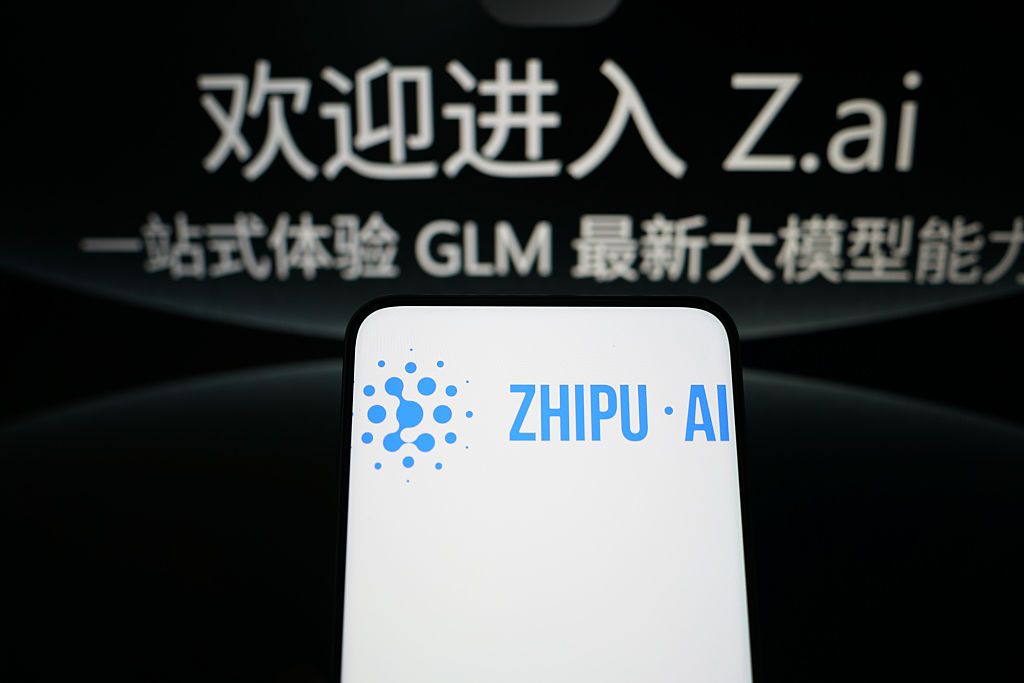
A Chinese AI lab just revealed they built one of the most talked about mystery models of 2026. Z.ai shipped the Ox Alpha model without putting their name on it. Before the reveal, it ranked in the top three on major reasoning benchmarks, according to evaluations published by LMSYS Chatbot Arena. Nobody saw it coming. That was entirely the point.
Why the Secrecy Mattered
The Ox Alpha reveal is not just a tech story. It is a signal about how the AI race actually works in 2026.
For months, AI researchers and investors debated who was behind the model. Some guessed it was a stealth startup. Others assumed it was a well funded spinout from one of the big Chinese tech companies. The anonymity created buzz that no press release could have manufactured. According to data from Hugging Face, Ox Alpha climbed to over 2 million downloads in its first six weeks on the platform, before anyone knew where it came from.
Z.ai has been building quietly since 2019. The company counts Chinese state investment funds among its backers and has close ties to Tsinghua University’s AI research programs. According to a 2025 funding report from PitchBook, Z.ai raised over $400 million in cumulative capital before the Ox Alpha launch. That kind of money does not come without a long game behind it.
The backdrop here matters. The US government has imposed export controls on advanced chips going to China, targeting Nvidia’s H100 and A100 lines. Despite that, Chinese AI labs keep shipping competitive models. According to analysis from SemiAnalysis published in early 2026, several top Chinese labs found alternative compute paths through cloud partnerships and domestically produced chips like Huawei’s Ascend 910B. Ox Alpha looks like one direct result of that workaround.
What the Anonymous Launch Actually Proves
Here is the part most people will miss. Z.ai did not hide because they were ashamed. They hid because it was the smarter play.
If Ox Alpha launched with a Z.ai badge from day one, two things would have happened immediately. American enterprise buyers would have flagged it as a geopolitical risk. US regulators would have been watching every benchmark score for an excuse to restrict access. By launching anonymous, Z.ai let the model’s performance speak first. By the time the origin was revealed, the model already had a reputation it had earned on its own.
This is the rich vs poor mindset applied to AI competition. The average developer sees a new model and asks “who made it?” The sharp operator asks “does it work?” Z.ai understood that question order. They built the model first, proved it in open public competition, then put their name on it from a position of demonstrated strength.
For builders who want to spot what tools actually work before the hype machine arrives, AppSumo is worth keeping in your rotation. They surface lifetime deals on AI tools, often months before those tools get mainstream coverage. That is the same information edge Z.ai manufactured here. Find what performs before the crowd catches on.
The broader pattern is real. Anonymous model launches are becoming a legitimate strategy. Not just in China. We have seen multiple mystery models appear on Hugging Face leaderboards over the last 18 months. Some turned out to be research labs testing public reception before a formal announcement. Others were corporate spinouts avoiding regulatory scrutiny. The Ox Alpha reveal just validated the playbook at full scale, and it worked.
What This Means For You
If you build products with AI, this announcement changes your shortlist. Ox Alpha is now public and available through Z.ai’s API platform. The model shows particular strength in code generation and multi-step reasoning, which makes it worth testing for developer tools, financial analysis products, or anything that requires structured logical output.
Here is what I would do. Run your current benchmark tasks against Ox Alpha this week before the crowd does. Early testers get clean comparison data. Once mainstream coverage hits, the model gets tuned, community workarounds start appearing, and your clean test window closes fast.
If you create content covering AI tools or tech news, I would move fast on this story. The Ox Alpha reveal has a short window of genuine novelty. Stories like this drive outsized engagement because your audience feels like they are getting information before it is everywhere. If you want to turn coverage like this into video content quickly, InVideo AI can take a script and produce a polished video in under 30 minutes. In a fast moving news cycle, that speed is real money.
On the investment side, watch Z.ai’s valuation over the next 90 days. The anonymous launch was a PR move. The performance data is the real signal. If Ox Alpha holds its benchmark positions after wider stress testing, Z.ai becomes a different category of company in the eyes of international investors. The timing of this reveal feels deliberate. This is a team that knows how to run a narrative.
The Bottom Line
Z.ai just ran one of the cleanest product launches in AI history. No hype, no press tour, just results and then a name. The Ox Alpha model is real, the benchmarks are public, and the lab behind it has $400 million in capital and Tsinghua’s research depth behind it. If you still think the AI race is a two-horse competition between OpenAI and Google, you haven’t been paying attention. The next model that changes your workflow probably won’t come with a warning.
Frequently Asked Questions
What is the Ox Alpha model?
Ox Alpha is a large language model that launched anonymously in 2026 and quickly ranked in the top tier of major AI benchmarks. Z.ai, a Beijing-based AI lab backed by Tsinghua University and Chinese institutional investors, revealed themselves as the developers after the model had already built a strong reputation entirely on its own performance.
Who is Z.ai and what do they build?
Z.ai is a Chinese AI research company founded in 2019 with close ties to Tsinghua University’s AI research programs. According to PitchBook, the company has raised over $400 million in cumulative funding and focuses on building large language models for enterprise and developer use cases.
Why did Z.ai launch Ox Alpha without their name on it?
The anonymous launch let the model be judged purely on performance before its Chinese origins became a factor in how buyers and regulators responded to it. It’s a calculated strategy. Let the benchmarks build the reputation first, then put your name on something that already won.
Can I use Ox Alpha right now?
Yes. According to Z.ai’s official announcement, Ox Alpha is accessible through their API platform today. Developers can test it directly against their existing workflows and compare it against other models before broader adoption drives up pricing and demand.
What does the Ox Alpha launch mean for the AI competition overall?
It confirms that the performance gap between US and Chinese AI labs is smaller than most Western coverage suggests. According to LMSYS Chatbot Arena evaluations, Ox Alpha competes directly with top models from OpenAI and Google on core reasoning tasks. The competition is global and it’s already here.