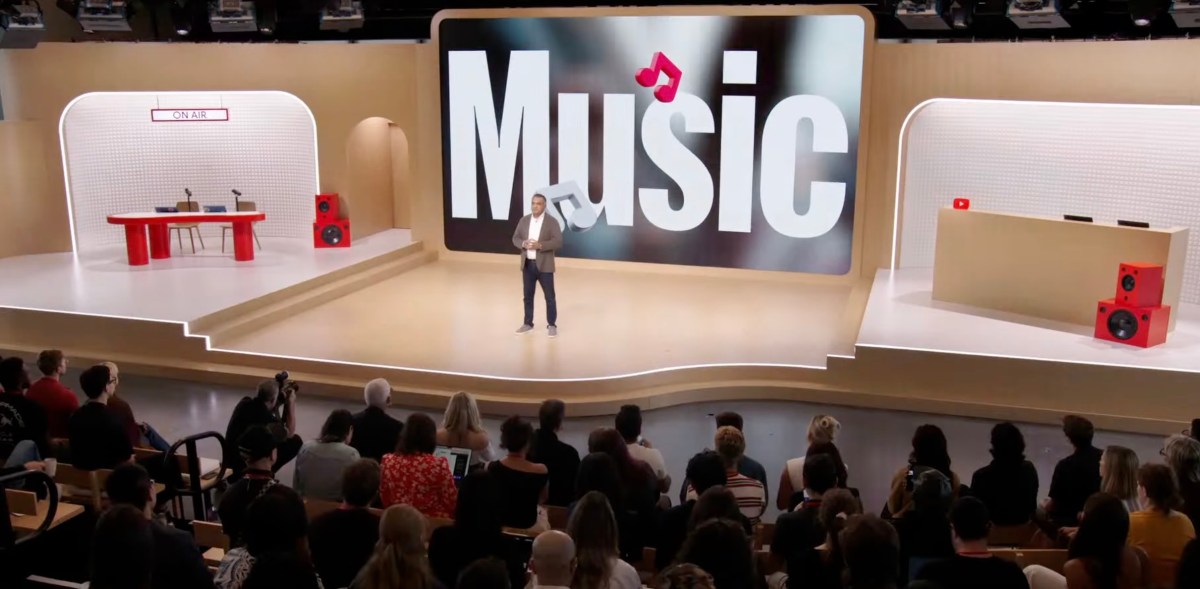
YouTube Music just changed how 100 million subscribers find songs. The new conversational AI lets you describe exactly what you want in plain English and get a playlist back in seconds. This is not a small update. This is Google weaponizing its AI lead against Spotify in real time, and most people are focused on the wrong part of the story.
What Is Actually Happening
YouTube Music’s new AI features let users type natural language requests like “songs for a rainy Monday when everything feels slow” and get a curated playlist back. No genre tags. No keyword drilling. Just intent. According to a Google announcement, the feature uses Gemini models to interpret mood, context, and emotional cues behind natural language queries.
YouTube Music crossed 100 million paid subscribers globally, according to Google’s 2025 reporting. Spotify still leads the field with 678 million monthly active users, according to Spotify’s 2026 earnings disclosures. But the gap between those two numbers matters less than the gap in how each platform understands its users. That gap just got a lot wider.
Google did not build this feature because users asked for it. Google built it because the data it generates is worth more than the subscriptions.
The Money Play Most People Will Miss
Here is what the tech press keeps glossing over. Every conversational query you type into YouTube Music is a behavioral signal. It tells Google what mood you were in, what activity you were doing, and what emotional context connects to what sounds. Multiply that across hundreds of millions of users and you do not have a music recommendation system. You have an emotional targeting engine.
Spotify knows what you listen to. Google will know why.
According to Grand View Research, the global music streaming market was valued at $19.1 billion in 2024 and is growing at roughly 14% per year. The winner of this market will not be whoever has the most songs. Both platforms have over 100 million tracks. The winner will be whoever builds the tightest loop between user intent and content delivery. Google just pulled ahead in that race.
Most people will use this feature and think, “Cool, now I can find music faster.” That is the poor mindset reaction. The rich mindset reaction is this: Google just made every music query a behavioral data point, and they are going to sell the intelligence that comes from those data points to brands, advertisers, and content partners. This is not a music company move. This is an ad company move dressed in a music company outfit.
According to data from Midia Research, user satisfaction with music discovery is the number one driver of streaming platform loyalty. Google knows that whoever solves discovery owns the subscriber. Conversational search does not just improve discovery. It makes every interaction a training loop that sharpens the next recommendation. Spotify’s algorithm learns from listening behavior. Google’s will learn from expressed intent. Those are not the same thing, and the second one is more valuable.
Independent artists and music entrepreneurs should take note right now. If you are building a music brand or releasing catalog, this is the moment to treat your music like a real business. I have seen too many creators wait until the money is flowing before they set up proper business structure. Use Inc Authority to file your LLC before your first royalty check arrives. It is free to start, it protects your catalog, and it signals to sync agents and licensors that you are a professional operation.
What This Means For You Right Now
If you are a listener, the practical upgrade is real. You can now search YouTube Music the way you actually think. Contextual, emotional, activity-based queries now return results. That is a genuine improvement over typing a genre name and hoping for the best.
If you are building something in music, content, or creator tools, the shift runs deeper. Music supervisors, sync licensing agents, and playlist curators will need to adapt fast. The conversational layer means YouTube Music users will expect emotional accuracy from results. Your metadata and tagging strategy needs to reflect mood, activity, and context, not just genre and BPM. Think about how someone would describe your music in a chat box. That is the query you need to rank for.
For creators who are actively negotiating sync deals or distribution agreements right now, the pace of these platform changes means deals move fast. Get everything in writing and get it signed quickly. signNow handles e-signatures cleanly across any device. When a licensing opportunity comes in at midnight and needs a response by morning, a slow contract workflow loses you the deal. Protect your yes by having the infrastructure to move at the speed of the opportunity.
Here is what I would actually do right now: Audit how your catalog appears on YouTube Music. Make sure your artist descriptions, track metadata, and mood tags use the kind of emotional and contextual language that shows up in conversational queries. The platforms are shifting from keyword discovery to intent discovery. Your metadata needs to make that same shift or you will become invisible.
The Bottom Line
YouTube Music is not going to beat Spotify on catalog size or social features. It is going to beat Spotify by turning Google’s AI advantage into a data advantage that compounds every single day. Every query sharpens the machine. Every interaction builds the emotional targeting layer. Spotify has two years, maybe less, before this gap becomes structural. Build your music business now, while the field is still open.
Frequently Asked Questions
What are YouTube Music’s new AI features?
YouTube Music’s new conversational AI lets users search for music using natural language descriptions of mood, activity, or emotion instead of song titles or genres. The feature uses Google’s Gemini models to interpret intent and return curated playlists. According to Google, the update is rolling out to premium subscribers globally.
How does YouTube Music’s conversational AI compare to Spotify?
Spotify has AI playlist tools, but they are primarily built on listening history and genre tagging. YouTube Music’s conversational AI captures expressed intent in natural language, which gives Google richer behavioral data to work with. That is a meaningful difference in terms of how each platform learns about its users over time.
Will these AI features help independent artists get discovered?
They can, but only if artists update their metadata and descriptions to match conversational search patterns. If your catalog is only tagged by genre and BPM, it may not surface for mood-based and activity-based queries. Treat your metadata like SEO copy and write it the way a fan would describe your music in a chat box.
Is YouTube Music growing fast enough to threaten Spotify?
YouTube Music has 100 million paid subscribers, according to Google, compared to Spotify’s 268 million paid subscribers reported in early 2026. The gap is still large on paid subscriptions, but YouTube Music has an advantage no other platform has, which is access to Google’s full AI stack and the largest existing video and audio catalog on earth.
How should creators adapt to AI-driven music discovery?
Start by rewriting your artist bio, track descriptions, and playlist metadata using emotional and contextual language that matches how listeners talk about music. Phrases like “late night focus” or “high-energy confidence” are the queries that conversational AI will match against. Think like your listener, not like a music industry form.