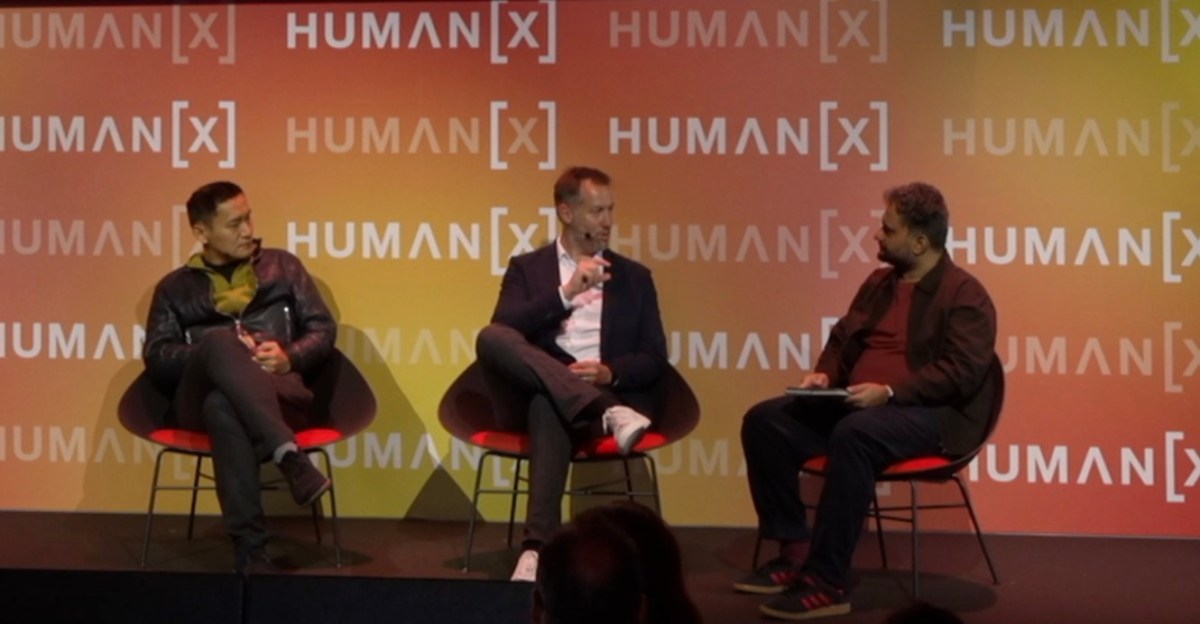
Executives across the voice AI space are saying the quiet part out loud. Voice AI hasn’t had its ChatGPT moment. According to a 2025 Gartner survey, only 9% of enterprises have deployed voice AI beyond basic phone trees. That gap between hype and adoption is not a warning sign. It’s a buying opportunity.
Why Everyone Is Watching and Nobody Is Moving
ChatGPT crossed 100 million users in 60 days, according to UBS. That benchmark reset what “fast adoption” means for every technology that came after it. Voice AI hasn’t come close to that curve. In early 2026, executives at Twilio, Five9, and multiple AI startups told TechCrunch and VentureBeat that voice AI is still 12 to 18 months away from a true inflection point.
The complaints are consistent: calls still drop context mid-conversation, accents trip up accuracy, and the handoff from AI to human still feels stitched together with tape. The global voice AI market sits at approximately $5.4 billion today, according to MarketsandMarkets. Analysts project that number reaching $47.5 billion by 2030. The window between now and that number is where fortunes get made or missed.
These executives aren’t wrong. But being right about timing and knowing what to do with that information are two very different things.
Why “Not Ready Yet” Is the Most Misread Signal in Tech
Every major technology wave has a moment where the smart money calls it “not ready.” The internet in 1993. Mobile apps in 2006. Generative text AI in 2021. Then one product cracks the adoption code and the window closes in months.
The bottleneck right now isn’t the raw technology. Latency on leading voice AI models has dropped below 300 milliseconds in 2026, according to ElevenLabs. That’s faster than most human conversation pauses. The problem is the use case layer. Nobody has built the voice equivalent of the ChatGPT interface yet: one simple product that makes the power obvious to a non-technical person inside two minutes.
Here is where the rich versus poor mindset split happens. The average business owner hears “voice AI isn’t ready” and waits. They’ll adopt when everyone else does, pay premium prices for a crowded market, and fight for scraps against thousands of other late movers. The operator mindset is different. They hear “voice AI isn’t ready” and immediately ask what problem they can solve with it today, before the category has a clear winner.
Voice AI is already working for specific use cases right now. Outbound sales calls, appointment reminders, customer service deflection, and automated intake for legal and medical practices are all live in 2026. According to Juniper Research, AI-powered voice agents will handle over 2.5 billion customer calls per year by 2027. That is not a pre-revenue market. That is a market with early traction and no dominant player yet.
I’ve watched this play out before. The people who got into SEO before 2010 built agencies worth millions. The people who got into social media marketing in 2012 built audiences that still pay them today. The people who got into AI content tooling in 2023 have an 18-month head start on everyone currently “waiting for it to mature.” Voice AI is running the same script.
What I Would Do With This Information Right Now
If I were building a service business in 2026 with limited capital, voice AI would be near the top of my stack. Here is my specific thinking.
Pick one vertical where phone-based customer interaction is still mostly manual. Dental offices, real estate agencies, HVAC contractors, small law firms. These businesses take hundreds of calls per week and almost none of them have automated anything. That’s your wedge.
Test before you build. Platforms like Retell AI and Bland AI let you spin up a voice agent in under an hour. Run it on inbound calls for two weeks. Log where it breaks. That’s your product roadmap built in real time at almost zero cost.
If you’re structuring this as a business, get your legal entity in place before you start signing clients. Inc Authority offers free LLC formation and makes it straightforward to set up a proper company before you’re collecting revenue from other businesses. Showing up as an LLC signals you’re serious.
Your contracts matter too. When you’re delivering AI-powered services, you need signed agreements that define scope, liability, and payment terms. I use signNow for e-signatures on all service agreements. It keeps the paperwork fast and professional without chasing anyone down to print and scan.
The point is to move before the breakout product ships. Once voice AI has its ChatGPT moment, the early advantage disappears and you’re competing on price. Right now you’re competing on awareness. That’s the better position.
The Bottom Line
The executives are right. Voice AI hasn’t had its moment. But being right about that and sitting on your hands are two different things. Every month you wait is a month someone else is locking in clients and building vertical applications before you show up. The ChatGPT moment for voice AI is coming. The question is whether you’re a user when it arrives or a builder who is already three years in with paying customers and real case studies.
Frequently Asked Questions
What does the ChatGPT moment mean for voice AI?
It refers to a single product or use case that makes voice AI obvious and useful to a mass audience, the way ChatGPT did for text generation in late 2022. Most founders and analysts believe it will arrive when low latency, strong accuracy, and a simple consumer-facing interface all come together in one product. According to executives at several AI startups surveyed in 2026, that product hasn’t shipped yet.
Is voice AI actually useful for small businesses today?
Yes, for narrow use cases. Inbound call handling, appointment reminders, and basic FAQ deflection are all working at scale in 2026. The technology doesn’t need to handle every conversation to be worth deploying. Even routing 40% of inbound calls correctly saves meaningful labor cost for most service businesses.
Which companies are building voice AI products right now?
ElevenLabs, Hume AI, Retell AI, and Bland AI are among the most active voice AI platforms in 2026. On the enterprise side, Twilio and Five9 are embedding voice AI into existing call center products. None of them have a dominant consumer product yet, which is why the market remains open for vertical builders.
How long until voice AI reaches mainstream adoption?
Most analysts and operators I follow put the inflection point between 2026 and 2028. The technical barriers are shrinking fast. What’s missing is the breakthrough product that makes voice AI obvious to everyday users the way the iPhone made mobile internet obvious. When that ships, adoption will compress years into months.
What is the cost to test voice AI for my business?
Entry-level voice AI phone systems run between $100 and $500 per month depending on call volume. Several platforms offer free trials with meaningful usage limits. Setup time has dropped significantly in 2026, with most no-code tools allowing a basic configuration in under an hour.