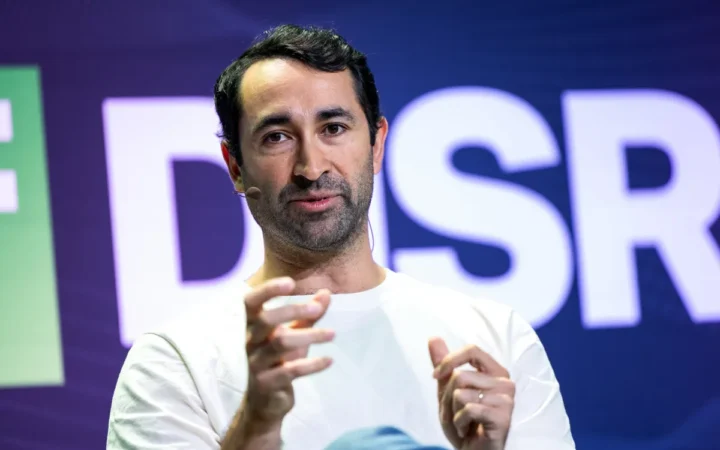
Iceland’s Treble just closed an $18 million funding round for its voice simulation platform, and most people in tech missed it. The global AI voice market is projected to reach $29 billion by 2030, according to MarketsandMarkets. The companies that own the voice layer will own a massive chunk of how humans interact with machines. Treble just made a serious move to be one of them.
Why Voice AI Is the Next Big Power Shift
For years, text ruled the internet. Then images. Now voice is the new battlefield, and the money is moving in fast.
Treble builds acoustic simulation and voice modeling technology that lets developers create, test, and deploy realistic synthetic voices at scale. Based in Reykjavik, the company has been building quietly while bigger names grabbed the headlines. That $18 million changes the picture fast.
According to Grand View Research, the AI voice generation market grew at a compound annual rate of 28.6% between 2022 and 2025. That’s not slow growth. That’s a market in a full sprint.
The timing matters. Enterprises are under pressure to cut customer service costs without cutting quality. According to Gartner, companies that deploy conversational AI in customer interactions can reduce contact center labor costs by up to 30%. Voice is the most natural interface humans have. The company that cracks truly convincing synthetic voice wins contracts from every sector that talks to customers: banking, healthcare, retail, telecom.
Treble’s angle is different from the big players. They’re not just generating voice. They’re simulating the acoustic environment around it. The reverb in a call center. The warmth in a podcast recording. The presence in a customer service line. That physical realism is what separates “obviously a bot” from “I genuinely can’t tell.”
The Contrarian Read on This Round
Most people will see “$18 million AI startup” and think small fish, big pond. That’s the wrong read.
Here’s the pattern I keep seeing. The companies that win the AI infrastructure wars aren’t the flashiest ones. They’re the picks and shovels players. The ones building tools that every other AI company needs. Treble fits that mold. They’re not racing against ElevenLabs or OpenAI’s voice API directly. They’re building the simulation layer that makes any voice sound better, more real, more human. That’s a B2B infrastructure play, not a consumer product sprint.
Infrastructure companies get acquired at multiples that consumer apps rarely touch. According to PitchBook data, B2B infrastructure AI acquisitions averaged 8.2x revenue multiples in 2025. Consumer AI apps averaged 3.4x. If you’re building tools that other AI companies depend on, your exit options are wider and your valuation ceiling is higher.
Iceland as a base is smart too. Lower operating costs, access to renewable energy for compute, and EU market positioning without the full regulatory burden of a larger economy. This isn’t a liability. It’s a deliberate structural advantage.
If you’re a creator, developer, or builder working with voice content, tools like InVideo AI are already letting everyday operators produce professional video and voice content without a studio. Treble’s technology pushes that ceiling even higher. The gap between a solo creator with the right tools and a legacy media company is shrinking fast.
What This Means for You
Let me be direct about what I’d actually do with this information.
First, if you’re a developer or agency that builds anything voice related, watch Treble’s API roadmap. When a well funded startup opens its platform to developers, early adopters get pricing and access advantages that latecomers don’t. I’ve seen this play out with Twilio, ElevenLabs, and Deepgram. The window to get in early closes fast.
Second, if your business relies on human voice talent for customer service recordings, training content, or marketing audio, your cost structure is about to shift hard. According to Synthesia’s 2025 industry report, companies using AI voice for internal training content cut production costs by an average of 67%. That’s not a marginal saving. That’s a line item you can remove from your budget entirely.
Third, think about the ownership angle. The rich mindset here isn’t “how do I use this tool.” It’s “how do I build on top of this infrastructure.” The operators who win in AI aren’t just users. They’re builders. If you’re looking to stack your toolkit without a recurring SaaS bill eating your margin every month, platforms like AppSumo carry lifetime deals on voice and content software that get you moving fast and cheap.
The poor mindset waits to see how this plays out. The owner mindset asks: what can I build right now with voice AI that I couldn’t build six months ago? Treble’s raise signals that the acoustic realism problem is close to being solved. Realistic AI voice is about to get cheap and accessible. Start mapping your use cases today. Customer onboarding audio. Product walkthroughs. Localized voice content across multiple languages. Internal training. Podcast style content at scale. These are real products. Some of them don’t exist yet. That’s the opportunity.
The Bottom Line
Treble just raised $18 million to solve a problem most people haven’t noticed: AI voices still sound like AI. When that problem gets solved, the cost of voice content collapses, the quality ceiling rises, and the operators who built early win. Iceland isn’t where you’d expect the next major voice AI company to come from. That’s exactly why they might pull it off.
Frequently Asked Questions
What does Treble’s voice simulation platform actually do?
Treble builds acoustic simulation technology that models how voice sounds in different physical environments. Their platform helps developers and enterprises create synthetic voices that sound natural and contextually real, not just technically accurate.
How much has Treble raised in total?
The $18 million round is Treble’s most recently announced funding. The Iceland based company has been scaling its platform ahead of broader enterprise AI voice adoption in 2026.
Is AI voice simulation a threat to human voice actors?
In short, yes, for commodity work. Repetitive commercial recordings, IVR systems, and training content are already shifting to AI. High end creative performance work with real emotional nuance hasn’t been matched yet. The middle tier is under the most pressure right now.
What is the AI voice generation market worth?
According to Grand View Research, the AI voice generation market was valued at over $3 billion in 2024 and is projected to grow at nearly 29% annually through the end of the decade. Enterprise adoption is driving most of that growth.
How can small businesses use AI voice technology today?
Small businesses can use existing voice AI tools to produce customer service recordings, product explainer audio, and training materials at a fraction of traditional studio costs. Platforms like AppSumo regularly carry lifetime access deals on voice and content tools, which reduces the ongoing monthly SaaS cost for bootstrapped operators.