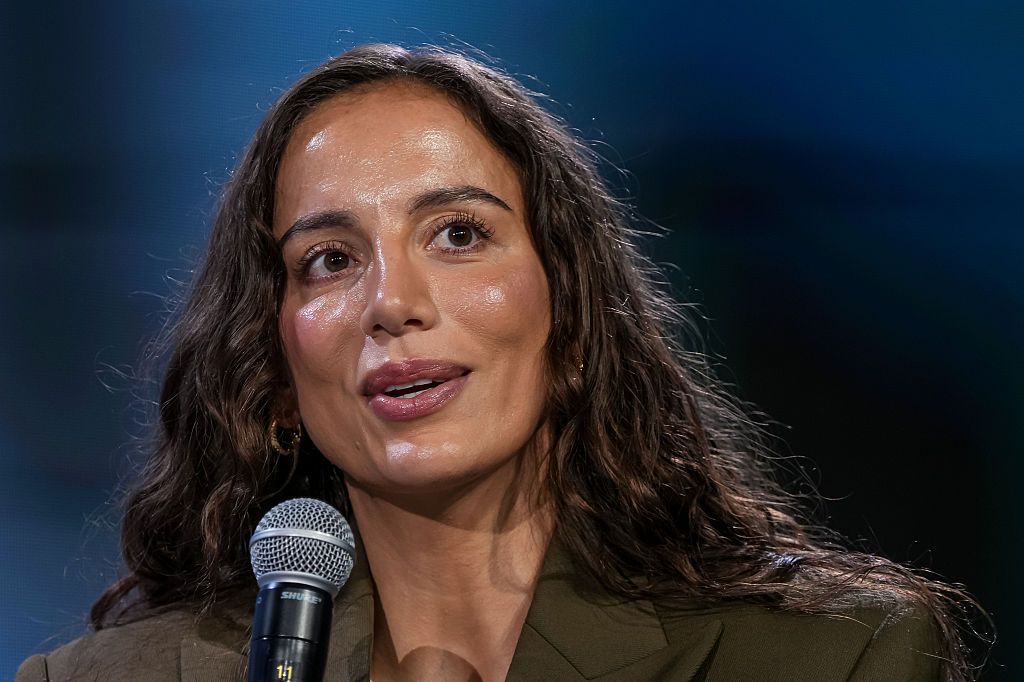
Accel is reportedly in talks to lead a $1 billion funding round for Thinking Machines at a $40 billion valuation. That number should stop you cold. This is a company that barely existed two years ago. Now it’s being priced like a Fortune 500 firm before it’s shipped a single commercial product to the public.
What Is Actually Happening
Thinking Machines was founded by Mira Murati, the former Chief Technology Officer at OpenAI. She left in late 2024 and launched Thinking Machines Lab with a team of researchers and engineers pulled from the top AI labs in the world. According to reporting from The Information, Accel is now in serious talks to anchor a $1 billion round that would value the company at approximately $40 billion.
That puts Thinking Machines ahead of most midsize public companies on the S&P 500 by market cap. For a company with no public product and no disclosed revenue, that number is extraordinary. But in 2026, AI valuations don’t follow normal rules. They follow talent and momentum.
Accel has a long track record of leading early rounds in companies that later define their categories. According to Crunchbase, Accel has led or co-led more than 40 rounds in AI and machine learning companies since 2022. This isn’t a firm that chases hype. When they write a check this size, they’ve done the work.
The Money Behind the Narrative
Here’s my read on this, and it’s not the one you’ll see in the financial press.
Most people look at a $40 billion valuation and think bubble. I think they’re asking the wrong question. The right question is: what are these investors actually buying?
They’re not buying revenue. Thinking Machines doesn’t have public revenue to speak of. They’re buying optionality. They’re buying the right to be in the room when this company either defines a new category or gets acquired by one of the giants at a multiple that makes today’s entry price look cheap.
According to PitchBook, global AI investment crossed $110 billion in 2025. But that money is not spreading evenly. The top ten funding rounds of 2025 captured more than 60 percent of all AI dollars raised. The pattern is simple: capital concentrates at the top, around the most credible researchers and the teams with the strongest reputations.
Mira Murati built and scaled the technology behind ChatGPT. That credential isn’t something you can buy or manufacture. When she raises money, she’s not pitching slides. She’s pitching herself, her team, and her access to talent that almost nobody else on earth can recruit. At that level, $40 billion isn’t crazy. It might even be conservative if the product ships well.
For comparison, OpenAI was valued at $157 billion in a late 2024 funding round, according to Bloomberg. Thinking Machines is pricing itself at roughly one quarter of that. If it captures even a fraction of OpenAI’s eventual market share, the math for early investors works. That’s the bet Accel is making.
Now here’s the rich versus poor split that nobody talks about.
The average person reads this headline and feels priced out. They see $1 billion and $40 billion and assume it has nothing to do with them. That’s the poor mindset. Not a moral judgement. Just a financial one.
The sharp operator asks different questions. Who else is on the cap table? What cloud provider will they use? What chip architecture are they betting on? What enterprise software companies are already in talks to integrate their models? Every one of those downstream companies is a potential trade or position in the next 12 months.
If you want to be positioned when moves like this create ripple effects in public markets, you need clean credit and accessible capital ready to deploy. A tool like SuperMoney loan comparison lets you quickly see what financing options are available at current rates so you’re not scrambling when the window opens.
What This Means For You
You’re probably not getting into this round. That’s not a dig. It’s reality. Accredited investor status, fund minimums, and deal access lock most people out entirely at this stage.
But here’s what I would actually do in response to this news.
First, watch the public market ripple. When a major AI funding round closes, semiconductor companies, cloud infrastructure names, and enterprise software companies that serve AI labs all tend to see money flow in. According to Goldman Sachs research from early 2026, AI infrastructure stocks rose an average of 8 percent in the 30 days following major AI funding announcements over the prior 12 months. That’s a pattern worth tracking.
Second, think about where Thinking Machines is likely to compete. If they’re building foundation models, they’re entering the same space as OpenAI, Anthropic, and Google DeepMind. Any enterprise currently paying those providers for AI access could eventually switch if Thinking Machines builds something better or cheaper. The list of potential customers is enormous.
Third, and this matters more than most people admit: protect your own financial position as AI continues to reshape labor markets. If your income is in a field that AI is displacing, now is the time to build a cushion and keep your options open. Part of that is knowing exactly where your credit stands. I rely on IdentityIQ credit monitoring to stay current on my credit score and catch any problems before they become serious. A strong credit profile means more options when markets move fast.
The opportunity here isn’t to get into the Thinking Machines round. The opportunity is to understand what this round signals and get positioned ahead of what comes next.
The Bottom Line
A $40 billion valuation for a company with no public product sounds absurd until you realize that the people writing these checks have more information than you do. Accel didn’t build its reputation by following headlines. This round is a signal. The question isn’t whether AI is overvalued in the aggregate. The question is which bets inside the category are worth making. Thinking Machines just moved to the front of that list, and every smart operator in tech and finance is now paying attention.
Frequently Asked Questions
What is Thinking Machines and who founded it?
Thinking Machines Lab is an AI startup founded by Mira Murati, who served as Chief Technology Officer at OpenAI before departing in late 2024. The company is building advanced AI models with a team recruited from top research organizations. It has operated largely in stealth since its founding.
Why is Thinking Machines valued at $40 billion with no public product?
At this stage of AI investment, valuations are driven by team credibility, research talent, and expected future market size rather than existing revenue. Investors in rounds like this are paying for a seat at the table before the product exists. The Thinking Machines valuation reflects the market’s confidence in Murati and her team specifically.
What does Accel leading this round signal about the AI funding market?
Accel is one of the most respected early-stage venture firms in the world with a long record of backing category-defining companies. Their decision to lead a $1 billion round at this valuation is a strong vote of confidence and will likely attract additional institutional investors and enterprise partners to Thinking Machines in the months ahead.
How can ordinary investors benefit from a deal like this?
Private rounds at this stage are out of reach for most people. But major AI funding events tend to create ripple effects in public markets, especially in semiconductor, cloud, and enterprise software stocks. Watching those downstream companies in the weeks after a round closes has historically revealed real opportunities, according to Goldman Sachs research from early 2026.
Is this a sign that the AI bubble is about to burst?
Valuations across the sector are stretched, but the Thinking Machines round tells a more specific story. In every major technology cycle, the top one or two teams in each category survive the correction and become enormous businesses. The real risk isn’t that AI fails. The risk is backing the wrong team inside a winning category.