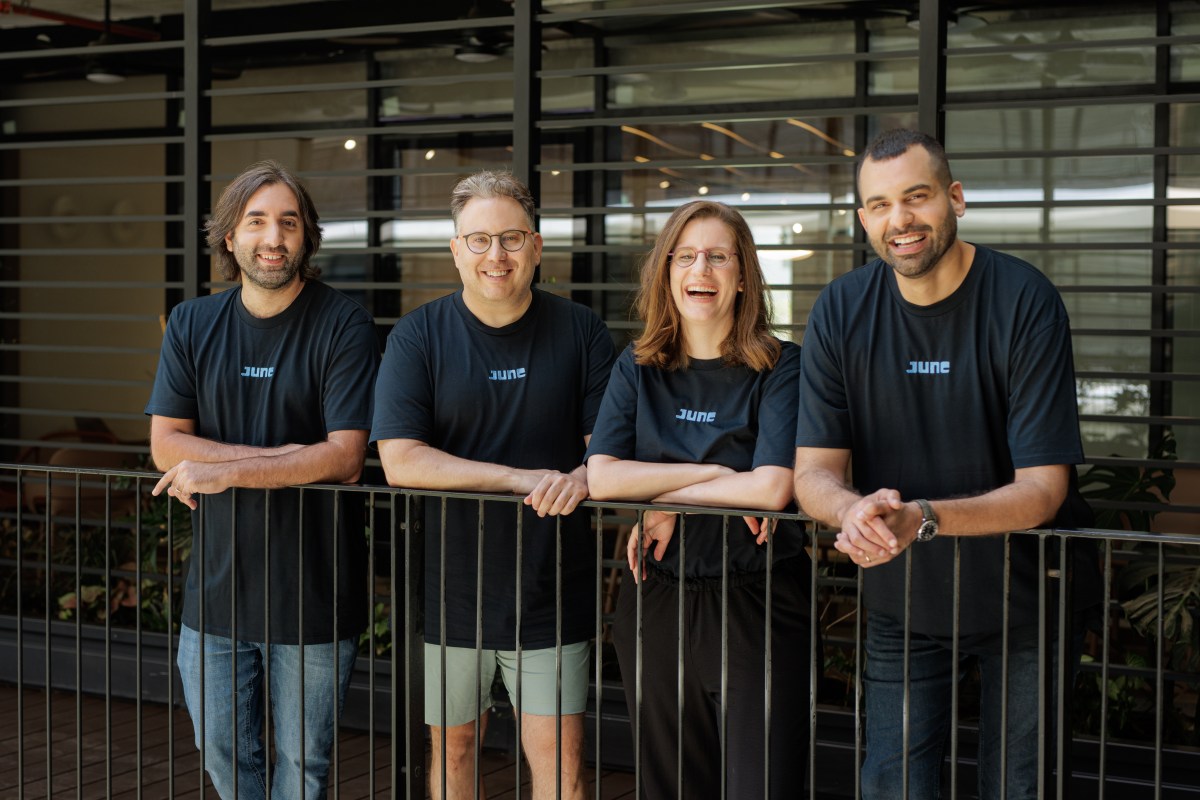
Monday.com cut roughly 10% of its global workforce in 2026 and pointed directly at AI as the cause. It joins at least 20 other major tech companies that have used the same explanation since 2024. I do not buy the official framing. This is not about efficiency. This is a permanent shift in who gets paid and who does not.
The Pattern Is Not New Anymore
The Monday.com announcement landed in mid 2026, with company leadership stating that AI tools had reduced the need for roles across support, operations, and content teams. According to Bloomberg, the cuts affected several hundred employees across multiple offices.
But Monday.com is not alone and it is not the first. According to Layoffs.fyi, the tech sector eliminated more than 150,000 positions in 2024. The pace continued through 2025. What changed in 2026 is the language companies are using. Fewer are blaming the economy now. More are pointing at AI directly.
The roster of companies that have cited AI as a reason for workforce cuts includes Google, Microsoft, IBM, Duolingo, Klarna, Dropbox, Chegg, UPS, BT Group, Salesforce, SAP, Workday, Intuit, Box, ServiceNow, Twilio, Zoom, HubSpot, Fiverr, and now Monday.com. That is 21 companies that have gone on record saying AI changed their headcount math.
What Most People Get Wrong About This
Most workers see this as bad luck or an economic cycle. They wait for the market to recover. They update their resume and apply for the same roles at competitor companies. That is the wrong move and I will tell you why.
These jobs are not coming back. When Klarna replaced a large portion of its customer support team with an AI agent in 2024, the company reported the system was handling the equivalent work of 700 employees, according to Klarna’s own press release. When Duolingo cut its contractor workforce, it was not a budget issue. It was a product decision. According to Duolingo’s CEO statement in 2024, AI had simply gotten good enough to replace the output.
The companies doing this are not struggling. Monday.com was posting strong double digit revenue growth heading into these cuts, according to their most recent earnings filings. These are profitable companies cutting costs they no longer see as necessary. That is not a recession story. That is a structural story.
And here is the part that really matters: the savings are not going back to workers. They are going to shareholders, to R&D budgets, and to the executives who made the call. According to a 2025 analysis from the Economic Policy Institute, corporate profit margins in large cap tech held near historic highs even as layoff announcements accelerated. The people on the wrong side of this are the ones waiting to be rehired. The people on the right side own a piece of the machine.
If you want to build something that earns without depending on a company’s headcount decisions, start with what you already know. Document it. Teach it. Tools like InVideo AI let you turn a script or a set of bullet points into a polished video fast, which means anyone with expertise can package it and sell it before the next round of cuts comes for their department.
What I Would Do Right Now
I am not telling you to become a software engineer. I am telling you to think like an owner instead of an employee.
Step one is figuring out which parts of your job are already being automated. If you write first drafts, run data reports, answer basic support tickets, or manage social media scheduling, your role is already on somebody’s spreadsheet. Not someday. Now.
Step two is building something you own. A newsletter, a course, a small productized service, a consulting offer based on what you know. Anything that earns money without requiring a company to approve your salary every year.
Step three is cutting your fixed costs so you have more margin if income gets disrupted. AppSumo is one of the few places I actually check before paying full price for any software tool. Lifetime deals on tools that would normally run $50 to $100 per month can free up real cash to invest elsewhere or extend your runway.
Step four is understanding which companies are actually winning from this shift. If 21 firms are cutting headcount because of AI and those firms are still growing, the AI infrastructure and tooling companies sitting behind that productivity gain are worth understanding as potential investments. According to Goldman Sachs research published in 2025, AI infrastructure spending was projected to exceed $200 billion annually by 2026. That money is going somewhere. It is not going to the people who just got laid off.
The Bottom Line
Monday.com is not the villain here. The system is working exactly as designed. Capital flows to whoever controls the most productive assets. Right now that means AI tools, not human labor for certain categories of work. The workers who survive this shift will be the ones who own a piece of the process. The ones waiting to be rehired into roles that no longer exist at scale will be waiting a long time. Twenty-one companies have said it plainly. I would listen.
Frequently Asked Questions
Which tech companies have blamed AI for layoffs?
At least 21 major companies have cited AI as a factor in workforce reductions since 2024. The list includes Monday.com, Google, Microsoft, IBM, Klarna, Duolingo, Dropbox, Chegg, Salesforce, SAP, UPS, BT Group, Workday, Intuit, Box, ServiceNow, Twilio, Zoom, HubSpot, Fiverr, and others. The trend has accelerated into 2026 as AI tools have become capable enough to replace entire categories of work.
Are the jobs lost to AI coming back?
In most cases, no. Companies like Klarna and Duolingo have been explicit that AI replaced the output of specific roles rather than filling a temporary gap. According to the World Economic Forum’s Future of Jobs report, tens of millions of roles face long-term displacement from automation, and the new jobs that emerge require very different skill sets than the ones being eliminated.
What types of jobs are most at risk from AI in 2026?
Roles facing the highest near-term risk include customer support, content creation, data entry, basic analysis, social media management, and operations coordination. According to McKinsey Global Institute research, knowledge workers performing routine cognitive tasks face the steepest displacement curve. Roles requiring nuanced judgment in new or unpredictable situations are more insulated for now.
How can workers protect themselves from AI-related layoffs?
The most durable protection is building income streams you own rather than ones that depend on a single employer approving your salary. This means consulting, digital products, or services built around expertise that AI cannot easily replicate. Learning which tools increase your personal output, cutting unnecessary fixed software costs, and investing in companies benefiting from this shift are all moves that make sense now.
Is Monday.com still growing despite the layoffs?
Yes, and that is exactly the point. Monday.com was growing revenue at a strong pace heading into the 2026 cuts. These reductions are not happening because companies are in trouble. They are happening because profitable companies have found a way to sustain or grow output with fewer people. That changes the math for anyone depending on traditional employment as their only financial plan.