Station F Is Now Europe's Biggest AI Startup Machine
“`html
Station F Is Now Europe’s Biggest AI Startup Machine
Station F in Paris just crossed 1,000 active startups, with AI plays making up nearly 40% of all residents on campus. Xavier Niel spent 250 million euros to build this place. Critics called it a vanity project. Now it’s producing billion-dollar companies, and $15 billion in European AI funding in 2025 says the rest of the world is paying attention, according to Dealroom.
What’s Happening Right Now
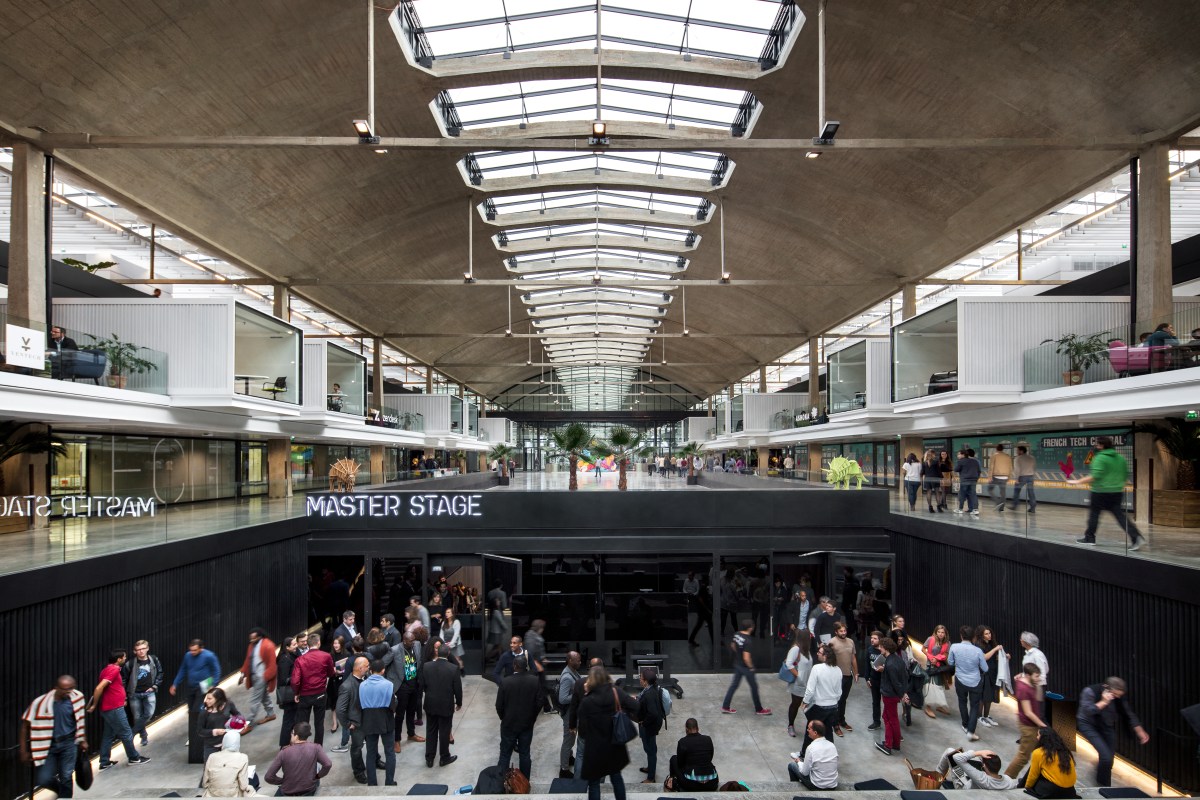
Station F opened in 2017 inside a converted railway station on the edge of Paris. For the first few years, it was mostly a great photo op. In 2026, it’s something different.
The campus runs more than 30 startup programs backed by companies like Meta, Microsoft, and BNP Paribas. More than 45 countries are represented inside its walls. According to Station F’s own reporting, startups focused on AI now make up nearly 40% of all active residents, a share that has roughly doubled since 2023.
Europe has reasons to build AI at home that go well beyond pride. The EU AI Act took full effect in 2026. It creates compliance requirements that many American AI companies find expensive to meet. That opens real space for European tools designed for the regulatory environment from day one, according to analysis from the European AI Office. Station F is positioned to be the place where those companies get built and funded.
Why Most People Are Reading This Wrong
Here’s what the average person thinks: America wins AI. Europe regulates AI. That’s the story, and it’s done.
I think that framing is lazy, and it’s costing people money.
Regulation is not just a cost. It’s a moat. When the EU AI Act creates compliance requirements, it raises the price of entry for companies that weren’t built with compliance in mind from the start. European startups that bake compliance into their products can sell to EU governments and enterprises that American tools can’t easily serve. That’s a market worth hundreds of billions of euros.
The rich vs poor mindset applies here. The average investor hears “EU regulation” and runs the other way. The sharp operator asks which companies will profit from it. AI tools built for compliance from the ground up are a category that barely existed three years ago. It’s real now, and Station F is full of them.
According to PitchBook, European AI startups attracted $7.4 billion in venture funding in the first half of 2025 alone. That pace put the full year well above anything Europe had seen before. Institutional money is no longer treating the continent as a sideshow.
Station F graduates have gone on to raise Series A and B rounds from US firms, not just European capital. When Sequoia backs a Station F company, that’s not charity. Those firms see deal flow worth chasing. Mistral AI, perhaps the best-known Station F success story, raised over $1 billion and built a model that competes with American frontier labs, according to Reuters.
If you’re building a content operation or a lean online business, what comes out of Station F matters to you. Tools built for EU compliance often come with stronger data privacy protections. Enterprise buyers worldwide are increasingly willing to pay a premium for that. You don’t have to be in Paris to benefit from what gets built there.
What I Would Do With This Information
I’d start watching the Station F graduate list the way smart investors used to track Y Combinator demo days. The next breakout company is probably already in that building. Most people won’t notice until the Series B press release hits.
Here’s what I would actually do if I were building today.
First, audit every software subscription you pay for monthly. European AI alternatives are entering the market faster than most people realize. They’re priced to win market share, which means early adopters pay less. A platform like AppSumo is worth checking regularly because it surfaces lifetime deals on exactly these kinds of tools before their prices reset to full retail.
Second, watch which Station F companies win EU government contracts in the next 12 months. Government contracts are the first real signal that an AI company built for compliance is going to scale. They’re also a leading indicator for enterprise deals in regulated industries like healthcare, finance, and legal.
Third, if you’re producing content about AI trends including what’s happening in Europe, speed matters more than polish right now. I use InVideo AI to turn written research into short video content fast. It cuts the time between having an insight and publishing it from hours to minutes, which is the only pace that works when the news cycle moves this fast.
The point is simple. European AI is not a backup plan. It’s a real option. In some cases, it’s the smarter one.
The Bottom Line
Station F is not a coworking space. It’s a bet that Europe can build AI companies that compete globally, and that bet is paying off. The money is moving. The talent is concentrating. The regulatory environment is filtering out weak competition before it even gets started. If you’re still treating European AI as second tier, you’re setting yourself up to miss the exit when it comes.
Frequently Asked Questions
What is Station F and why does it matter for AI startups?
Station F is the world’s largest startup campus, located in Paris and founded by billionaire Xavier Niel. It matters for AI because it hosts more than 30 programs backed by major tech companies and has become a concentration point for startups building for the European regulatory environment. Startups focused on AI now make up roughly 40% of all residents on campus.
How does the EU AI Act affect Station F startups?
The EU AI Act, which took full effect in 2026, creates compliance requirements that American AI tools find expensive to meet after the fact. Station F startups that build compliance into their products from the start gain access to EU government and enterprise contracts that foreign competitors cannot easily win. That’s a structural advantage, not just a box to check.
Is European AI funding actually growing?
Yes. According to PitchBook, European AI startups raised $7.4 billion in venture funding in the first half of 2025 alone. According to Dealroom, European AI funding hit $15 billion for the full year 2025, well above prior years and a clear sign that institutional capital is taking the region seriously.
What kinds of companies come out of Station F?
Station F alumni include companies across AI infrastructure, enterprise automation, compliance tools, and consumer AI applications. Mistral AI, one of the most well-funded European AI labs, got its start in the Station F network and raised over $1 billion, according to Reuters, making it one of the few European AI companies competing at the frontier level.
How can someone outside Europe benefit from the Station F AI wave?
Track the Station F graduate list for tools entering the global market, many of which are priced below US competitors to win early customers. Look for lifetime deals on emerging software that surfaces before the price goes up, and watch which companies win EU government contracts as a leading signal of which ones will scale into global enterprise deals.
“`
Get stories like this in your inbox. Daily.
Free. No spam. The AI, tech, and finance stories that move money.