Startup Battlefield 200 Closes in 3 Days. Are You In?
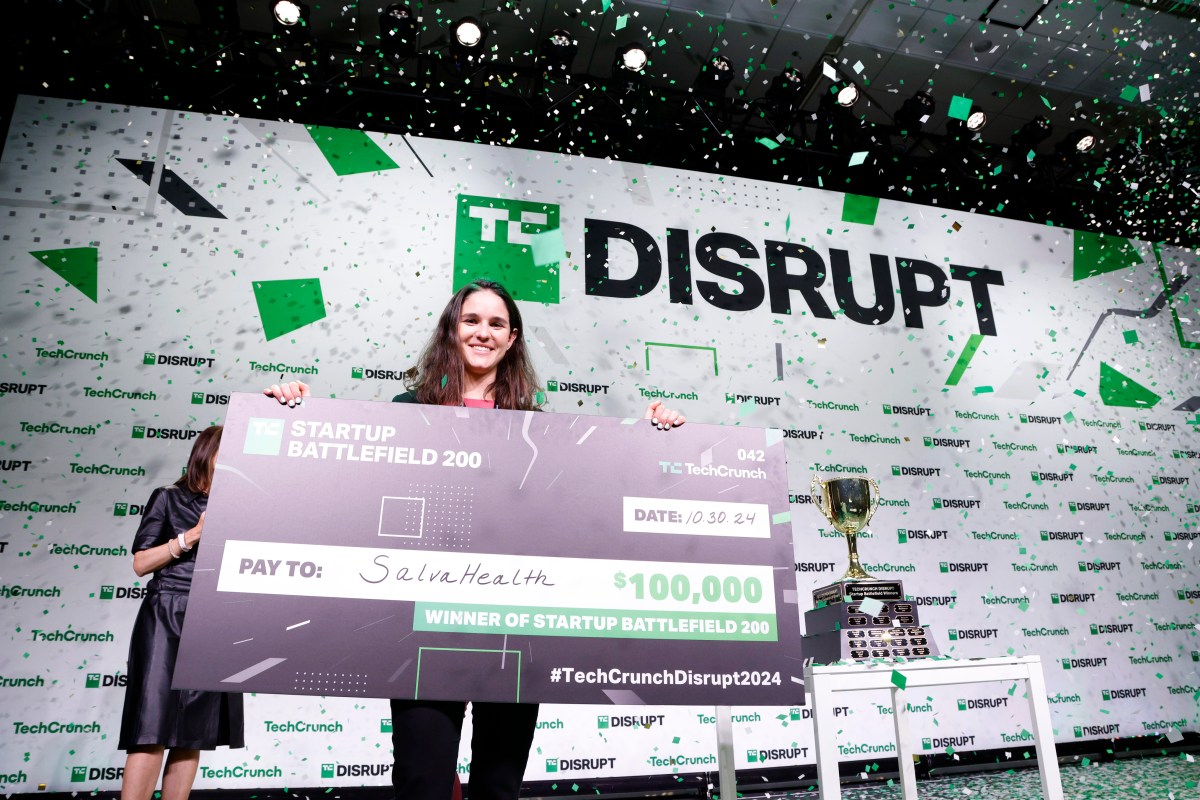
Startup Battlefield 200 Closes in 3 Days. Are You In?
TechCrunch’s Startup Battlefield 200 application window slams shut June 9, 2026. This is a free shot at $100,000, global press coverage, and a stage that has launched some of tech’s most recognized names. Most founders won’t apply. That gap is your opening.
What’s Happening Right Now
TechCrunch Disrupt is one of the most closely watched tech conferences in the world. The Startup Battlefield competition is its main event. The Battlefield 200 selects 200 early stage companies to exhibit and compete live in front of investors, press, and founders from around the globe.
According to TechCrunch, Battlefield alumni have collectively raised more than $9 billion in funding since the competition launched. The alumni list includes companies that went from scrappy demos to billion dollar exits. None of them were fully polished when they stepped on that stage. They had a working product, a clear pitch, and the nerve to show up.
The window closes June 9, 2026. Three days from now. Every founder I talk to knows about Battlefield. Most of them are waiting for next year, when the product is “more ready.” I’ve watched that exact excuse kill more startup momentum than bad code ever will.
The Contrarian Take Nobody Wants to Hear
Most founders tell themselves they’re skipping Battlefield because they’re not ready. That’s not the real reason. The real reason is fear of finding out.
That’s a losing mindset. Not morally. Financially. The founders who move before they feel ready collect press, investor meetings, and traction. The ones who wait collect regrets and a clean inbox.
The $100,000 grand prize is not the point. I mean that. The point is the signal. The point is the press. According to TechCrunch, Battlefield applications consistently arrive from more than 100 countries, with thousands of startups competing for 200 spots. The acceptance rate sits below 5%. That sounds intimidating until you flip the math. The vast majority of eligible founders talk themselves out of applying before they ever open the form. Your real competition is smaller than you think.
According to CB Insights, startups that secure early coverage in major tech publications close their seed rounds 35% faster on average than peers without press coverage. Battlefield is one of the few free paths to that kind of visibility. You’re not paying for a booth. You’re not buying a placement. You submit, and the work either speaks or it doesn’t.
The application asks for your founding team, your product stage, your market, and a short video demo. No pitch deck required at the first stage. No revenue minimums. No VC references. If you’ve built something real, you qualify.
For that video demo, keep it simple and move fast. I’ve pointed founders toward InVideo AI when they need a clean product demo without a production budget or a video team. You don’t need fancy editing. You need to show the problem clearly, show the solution working, and wrap it up in under two minutes. That’s the whole job.
What I Would Do With 72 Hours Left
Here’s my actual plan if I had an eligible startup and three days until the deadline.
I’d open the application tonight. Not tomorrow. The first version doesn’t need to be perfect. It needs to exist. You edit what’s on the page. You can’t edit nothing.
I’d write my company description in one sentence. One. Not a paragraph, not a bullet list. One sentence that names the person with the problem, what that problem costs them, and why my product solves it better than anything else available. If you can’t write that sentence, the exercise will show you exactly where your positioning has holes before an investor does it for you during a pitch.
I’d read the judge list. TechCrunch publishes it ahead of Disrupt every year. Every judge has a portfolio, a public investment thesis, and a track record you can research in an afternoon. I’d match my language to the problems they’ve already bet on. That’s not gaming the system. That’s knowing your audience.
I’d also do a fast audit of every software subscription my startup is paying monthly. AppSumo is worth checking right now. They carry lifetime deals on startup tools that most founders overpay for month after month. I’ve picked up tools there for a single payment that saved me thousands over the course of a year. The 90 days after you get accepted to Battlefield will cost real money in travel, preparation, and outreach. Run lean now so you can spend where it counts later.
According to the 2025 Startup Genome Global Report, 9 out of 10 startups fail, with poor resource management in early growth phases cited as a top contributing factor. Every subscription you cut is fuel for the moments that actually matter.
If you get rejected, use the feedback and apply again next cycle. If you get in, treat TechCrunch Disrupt like the most important sales call your company has ever had. Because it very well might be.
The Bottom Line
You’ve got 72 hours and a free application. The founders who turned scrappy demos into billion dollar companies didn’t wait until they felt ready. They showed up and let the market decide. Submit before June 9, or spend the rest of 2026 watching a founder in your exact category collect the press, the investor meetings, and the check that could have been yours.
Frequently Asked Questions
What is Startup Battlefield 200?
Startup Battlefield 200 is TechCrunch’s flagship startup competition, held at TechCrunch Disrupt each year. It selects 200 early stage companies to exhibit and compete live for a $100,000 grand prize in front of investors, press, and global founders. Applications for the current cycle close June 9, 2026.
Who can apply to Startup Battlefield 200?
Early stage startups that have raised less than $5 million in total funding are generally eligible. The competition is open to companies worldwide across most product categories. According to TechCrunch, applications regularly arrive from more than 100 countries each year.
What do Startup Battlefield winners receive?
The Startup Battlefield winner receives $100,000 in prize money along with significant press coverage across TechCrunch and its partner outlets. Past alumni have gone on to raise major funding rounds shortly after competing on that stage, according to TechCrunch.
How competitive is Startup Battlefield 200?
The acceptance rate sits below 5% of all applicants, according to TechCrunch. That number sounds scary until you realize most eligible founders never submit. A sharp, clear application puts you ahead of a huge portion of your real competition before the judges even read a word.
How do I build a strong Startup Battlefield 200 application in 3 days?
Start with one sentence that names the problem, the cost, and your solution. Record a short video demo under two minutes that shows the product actually working. Then write a tight founder bio that explains why your team is the right team for this specific problem. Speed and clarity beat polish at this stage every time.
Get stories like this in your inbox. Daily.
Free. No spam. The AI, tech, and finance stories that move money.