Startup Battlefield 200 Closes in 3 Days. Are You In?
“`html
Startup Battlefield 200 Closes in 3 Days. Are You In?
TechCrunch Startup Battlefield 200 closes in 3 days. Alumni from this competition have raised over $9 billion combined, according to TechCrunch. That number is real. And if you’re a founder who isn’t filling out that application right now, you’re leaving real money on the table.
What Startup Battlefield 200 Actually Is
Startup Battlefield 200 is TechCrunch Disrupt’s flagship competition. It selects 200 early stage startups to present at one of the most watched events in the venture capital world. The program has been running since 2011 and has launched companies that became household names.
According to TechCrunch, past Battlefield alumni include Dropbox, Mint, and Yammer. These aren’t just notable companies. They’re billion dollar exits. The competition puts founders in front of top tier VCs, major media outlets, and potential cofounders all in one place, over just a few days.
The 2026 deadline is here. Three days. That’s it. After that, you wait an entire year for the next window. And the market isn’t getting more patient.
Here’s why the timing matters this year specifically. According to PitchBook, global venture capital deployment fell 42% from its 2021 peak through 2024. Capital is tighter. Competition for funding is fiercer. The startups that win in 2026 won’t win because they had the best idea. They’ll win because they got in front of the right people at the right time.
The Real Reason Most Founders Won’t Apply
I’ve watched a lot of founders over the years. The number one reason talented people miss opportunities like this is simple: they think they’re not ready.
That’s a poor mindset dressed up as humility.
Rich people move. Poor people wait for permission. That principle applies directly to founder behavior, and it shows up most clearly in moments like this one. An application deadline arrives, and too many capable builders talk themselves out of it.
Startup Battlefield 200 isn’t looking for finished products. According to TechCrunch’s own guidelines, applicants must be early stage, privately held, and have a working prototype. That’s the bar. Not a finished company. Not 10,000 customers. A working prototype and a real vision.
The founders who don’t apply today will spend the next year watching someone else get funded off a weaker idea. I’ve seen it happen too many times.
Now let’s talk money, because that’s where most founders stall out. A lot of builders are still before generating revenue when they enter competitions like this. They need capital to keep the lights on while they prep their pitch. If you’re in that position, checking something like SuperMoney loan comparison can help you see what bridge financing options are actually available to you. Personal loans, business loans, and credit lines don’t have to be mysteries. The founders who sort their capital structure early show up to pitch meetings with cleaner numbers and clearer heads.
According to CB Insights, 38% of startups fail because they run out of cash, not because their idea was bad. That’s a solvable problem. Apply to Battlefield and sort your finances at the same time. Do both.
What I Would Do If I Were Applying Today
I’m going to give you the same advice I’d give a founder I was personally backing.
First, stop waiting for your product to be perfect. It won’t be. Submit the application today with what you have. Done beats perfect in every competition I’ve ever seen.
Second, get your numbers cold. Investors at Disrupt will ask about your burn rate, your runway, and your unit economics. If you stumble on those answers, you lose in the first 30 seconds. Know your numbers automatically, not after a pause.
Third, clean up your personal financial picture. A lot of early founders have drained personal accounts, maxed out credit cards, or taken on personal debt to fund their startups. Before you walk into a room with sophisticated investors, know where you stand. I’d use IdentityIQ credit monitoring to get a full view of your personal credit score and report before any due diligence conversations begin. Investors read founder financial behavior as a signal. How you manage your own money tells them how you’ll manage theirs.
Fourth, build your pitch around one clear outcome. Not your technology. Not your team. The specific result you deliver for a specific customer. Simple wins every time.
Fifth, apply even if you think you won’t get in. The process forces you to articulate your company in a way most founders never do on their own. That clarity alone is worth the hour it takes to fill out the form. You’ll pitch better, think sharper, and fundraise faster, whether you make the cut or not.
The Bottom Line
Startup Battlefield 200 closes in 3 days. Past alumni have raised over $9 billion combined, according to TechCrunch. The venture market is tight, visibility is scarce, and the founders who apply will have a shot that the ones sitting on the couch simply won’t get. I’ve never met a founder who regretted applying to something like this. I’ve met plenty who regretted not applying. Three days. Make the call. The only thing standing between you and that application is the story you’re telling yourself about why you’re not ready.
Frequently Asked Questions
What is Startup Battlefield 200?
Startup Battlefield 200 is TechCrunch Disrupt’s premier startup competition, selecting 200 early stage companies to pitch in front of venture capitalists, judges, and media. Past alumni include Dropbox, Mint, and Yammer, companies that went on to raise hundreds of millions in funding or achieve major acquisitions. It’s one of the highest-profile startup stages in the country.
When do Startup Battlefield 200 applications close?
Applications close in 3 days from the publication of this article. Once the deadline passes, founders must wait for the next annual cycle. There’s no grace period and TechCrunch doesn’t grant extensions.
Who is eligible for Startup Battlefield 200?
According to TechCrunch, eligible companies must be early stage, privately held, and have a working prototype. You don’t need to be profitable or have a large customer base. The competition is specifically built for companies near the start of their journey, not mature businesses.
How much do Startup Battlefield winners receive?
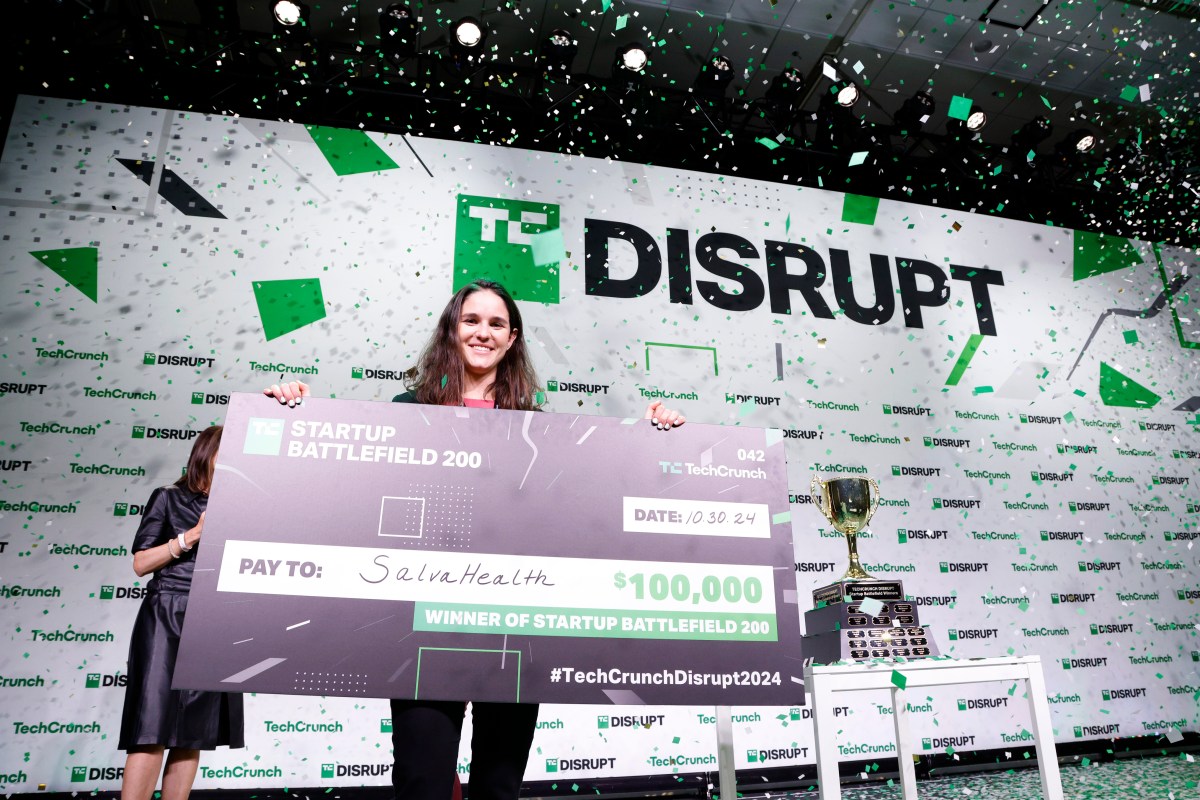
The Startup Battlefield winner has historically received $100,000 in prize money, according to TechCrunch. But the cash isn’t the real prize. The investor access, media coverage, and network that come with competing in front of the top tier VC community are worth far more over time.
Is it worth applying to Startup Battlefield 200 if my startup has no revenue yet?
Yes, without question. The competition is designed for early stage startups, and companies with no revenue have competed, won, and gone on to raise significant capital after Disrupt. The application process itself forces founders to sharpen their thinking in ways that improve every future investor conversation, regardless of whether you advance.
“`
Get stories like this in your inbox. Daily.
Free. No spam. The AI, tech, and finance stories that move money.