Startup Battlefield 200 Apps Close in 3 Days. Are You In?
“`html
Startup Battlefield 200 Apps Close in 3 Days. Are You In?
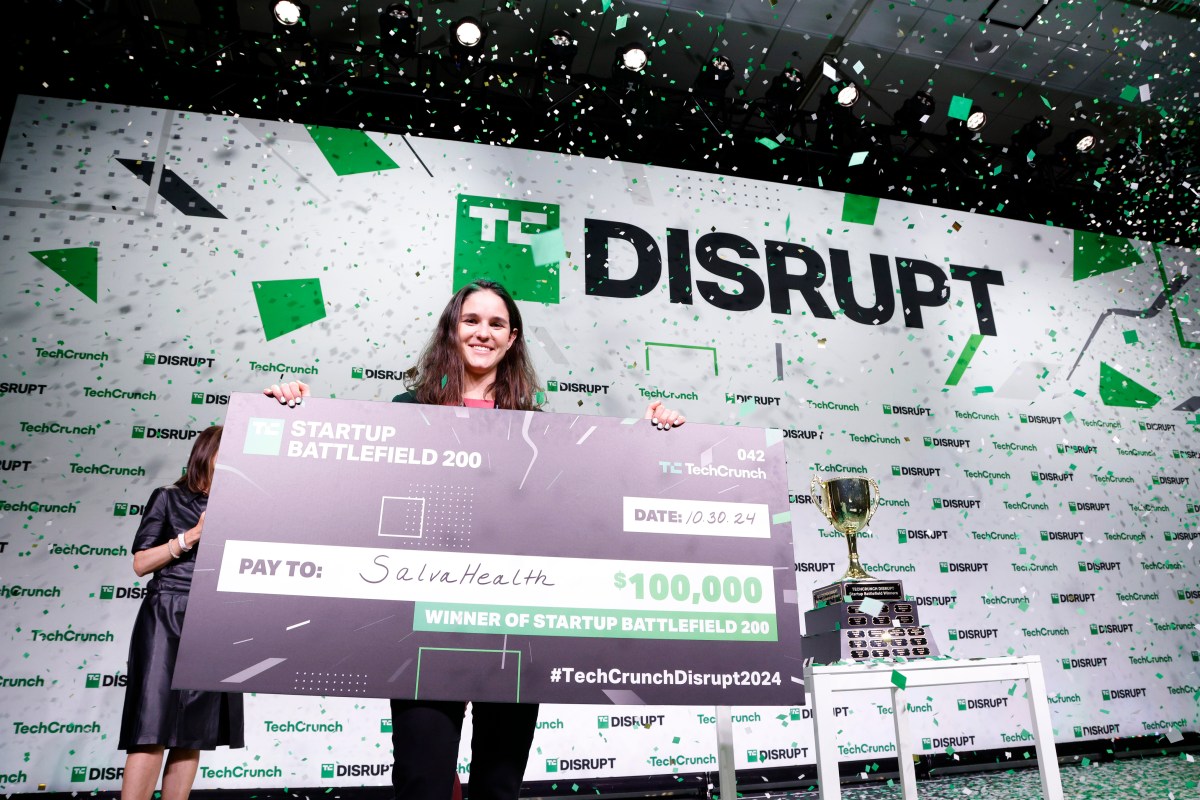
The deadline for Startup Battlefield 200 applications hits in 3 days. TechCrunch is selecting 200 startups to compete at Disrupt 2026. The prize is $100,000 and a stage in front of the world’s most powerful investors. Most founders won’t apply. That’s their biggest mistake.
Why This Matters Right Now
Startup Battlefield 200 is TechCrunch’s flagship startup competition, running alongside Disrupt 2026. The program has been launching companies for over a decade. Past alumni include names like Dropbox, Yammer, and Mint. According to TechCrunch, Battlefield alumni have raised over $9 billion in combined funding since the competition launched. That’s not a coincidence. That’s proof the network is real.
In 2026, AI funding is at historic highs. According to PitchBook, global venture capital investment in AI companies topped $131 billion in 2025, up 78% from 2023. The competition for investor attention has never been fiercer. If you’re building something real and you’re not applying to events like this, you’re invisible to the people who can change your trajectory. Applications close June 8, 2026. That’s 3 days from today.
The Truth Most Founders Miss
Here’s what I’ve noticed about founders who skip competitions like this: they think they’re not ready. They’re waiting for the perfect product. They’re waiting for more traction. They’re waiting for someone to tell them it’s okay to raise their hand. That’s poor founder thinking. Rich founders know that visibility is capital. It compounds.
Startup Battlefield 200 isn’t just a competition. It’s a distribution channel. You get media coverage from TechCrunch, one of the most widely read tech publications on Earth. You get in front of judges who are active investors writing real checks. You get on the same stage as the best founders in your category. According to CB Insights, startups that receive early coverage in top tier tech publications see investor inquiry rates climb 3x compared to comparable companies that don’t. That’s not a small edge. That’s the difference between your Series A and another year of fighting for meetings.
The $100,000 prize is almost irrelevant. I mean that. The real ROI is the credibility signal. “TechCrunch Battlefield 200 finalist” on your pitch deck changes how investors read every other number on that page. The network effect from one week at Disrupt can outperform 6 months of cold outreach on LinkedIn. According to Crunchbase, startups that competed in major pitch competitions between 2021 and 2025 raised an average of $4.1 million more in their next round than comparable startups that skipped the circuit entirely.
If you’re building in AI right now, the window is tight. The field is crowded and getting more crowded every quarter. You need third party validation. You need media moments. This is one of them.
One thing I’d do right now is get your pitch video tight. If you need to produce a fast, professional demo or founder story video for your application materials, InVideo AI is what I’d reach for. It’s fast, it looks polished, and it doesn’t require a production crew or a big budget to pull off something that actually holds attention.
What This Means For You
If you’re a founder reading this on June 5, 2026, you have 3 days. Here’s what I would do.
First, go to the TechCrunch Disrupt website today and pull up the Battlefield 200 application. Read every question before you start answering. Most founders blow this step and write generic answers that sound like every other startup in the pool.
Second, be specific about your numbers. Judges see hundreds of applications. “We’re growing fast” means nothing. “We grew from $12,000 to $89,000 MRR in 4 months” means everything. According to First Round Capital’s State of Startups research, founders who communicate traction metrics with precision in early pitches are significantly more likely to advance past the first screening round. Vague answers get filtered out fast.
Third, don’t apply with a partly finished concept. Battlefield 200 wants startups with real traction, even if it’s early and imperfect. You don’t need millions in revenue. You do need proof that real humans want what you’re building and are willing to pay for it or use it consistently.
Fourth, think about what comes after the application. If you get selected, you’re going to need tools that don’t drain your runway before you close your next round. I’ve seen founders burn serious cash on software subscriptions they barely use. AppSumo has lifetime software deals worth a serious look if you’re watching every dollar before Series A. One solid deal there can save you $3,000 or more per year in recurring costs, and that’s real runway.
Three days is enough time to submit a strong application if you start right now. It’s not enough time if you keep thinking about it.
The Bottom Line
Startup Battlefield 200 applications close in 3 days. Most of your competitors aren’t applying because they think they’re not ready. That’s your advantage. The startups that win these competitions aren’t always the most polished or the best funded. They’re the ones that showed up when everyone else was waiting for permission. Apply today, or watch someone else take your spot on that stage.
Frequently Asked Questions
What is Startup Battlefield 200?
Startup Battlefield 200 is TechCrunch’s annual startup competition held at Disrupt. It selects 200 early stage startups to compete for a $100,000 prize with no equity strings attached, plus massive media exposure and direct investor access. According to TechCrunch, alumni of the competition have raised over $9 billion in combined funding since the program launched.
When do Startup Battlefield 200 applications close?
Applications for Startup Battlefield 200 close on June 8, 2026, which is 3 days from today, June 5, 2026. You need to submit through the official TechCrunch Disrupt website before the deadline. There are no extensions, and late submissions are not considered.
Who should apply to Startup Battlefield 200?
Early stage startups with a working product and proof of real traction should apply. You don’t need millions in revenue, but you do need to show that actual customers are using what you’ve built. The competition favors founders who can communicate their problem, solution, and metrics with clarity and conviction.
Is the Startup Battlefield 200 prize money the main benefit?
No. The $100,000 prize is honestly the least valuable part of competing. The real value is the TechCrunch media coverage, the direct access to active investors on the judging panel, and the credibility signal the finalist label sends to future funders. The network you build in one week at Disrupt is worth far more than the check.
How competitive is Startup Battlefield 200?
It’s very competitive. TechCrunch receives thousands of applications and selects only 200 startups each year. Strong traction metrics, a specific problem you’re solving, and a clear pitch give you the best shot at making the cut. Don’t let the competition stop you from applying. Most founders never even try, and that’s exactly why you should.
“`
Get stories like this in your inbox. Daily.
Free. No spam. The AI, tech, and finance stories that move money.