Startup Battlefield 200 Applications Close in 3 Days
“`html
Startup Battlefield 200 Applications Close in 3 Days
TechCrunch’s Startup Battlefield 200 closes its application window on June 9, 2026. According to TechCrunch, alumni of this competition have collectively raised more than $8 billion since the program launched. The window is 72 hours. Most founders will scroll past this and do nothing. That’s a costly mistake I’ve watched too many smart people make.
Why This Window Matters Right Now
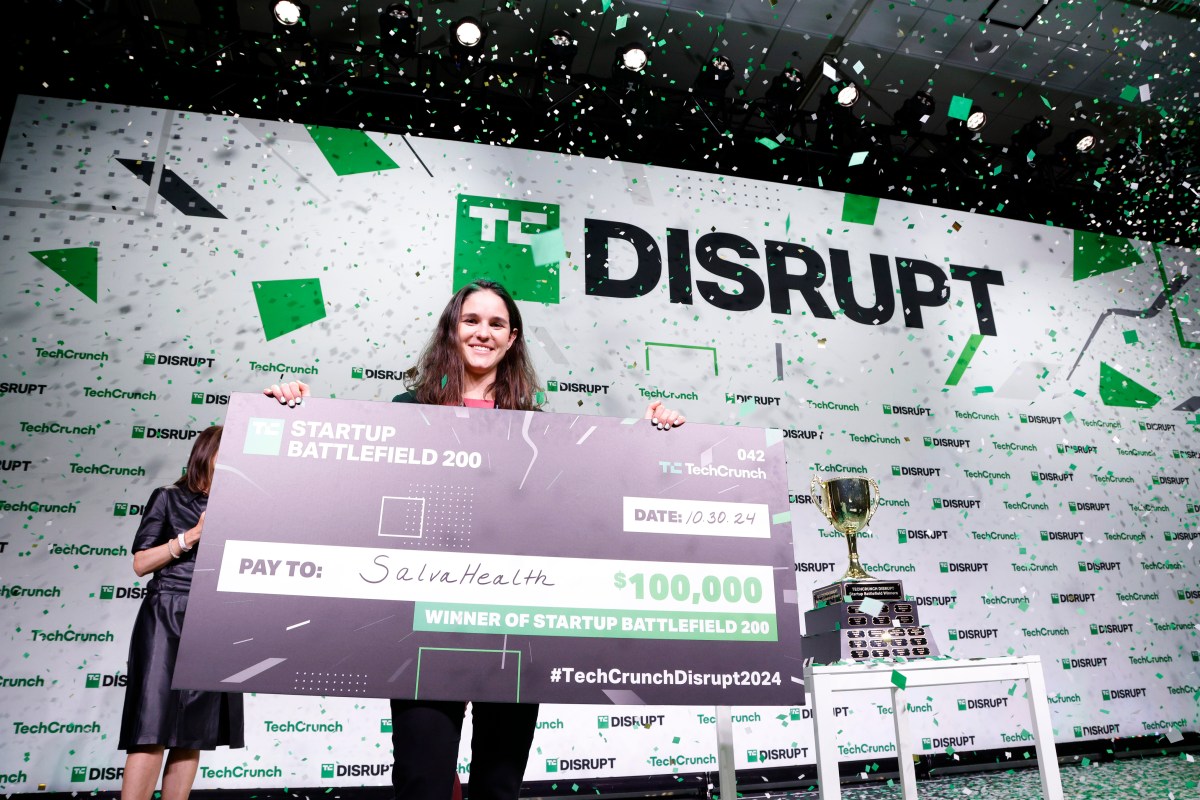
Startup Battlefield 200 is TechCrunch Disrupt’s flagship startup competition. Each year, TechCrunch selects 200 companies to compete in front of investors, press, and industry insiders at the Disrupt conference. Finalists compete for the Battlefield Cup and a $100,000 cash prize, according to TechCrunch.
This year’s Disrupt conference is scheduled for fall 2026. Applications close June 9, which means founders have exactly three days to pull the trigger before the door shuts completely.
Timing makes this more urgent than usual. According to Crunchbase, global startup funding in early 2026 remains roughly 15% below its 2021 peak. The VC market hasn’t recovered the way the optimists predicted. When capital is tight, founders need every credibility signal they can get. A Battlefield spot is one of the strongest ones available.
Past Battlefield competitors include Dropbox, Yammer, and Mint, companies that went on to become household names. That track record means judges and investors treat this competition seriously. It’s not a trade show gimmick. It’s a launchpad with a documented history.
The Truth Most Founders Won’t Hear
I’ll be direct. Most founders treat Battlefield like a lottery and use long odds as an excuse not to apply. That mindset is exactly what separates people who build companies from people who spend years talking about it.
The $100,000 prize is almost beside the point. That’s three months of runway in a cheap market and four weeks in San Francisco. The real value is the attention. According to TechCrunch, Disrupt draws more than 10,000 attendees each year, including hundreds of the most active venture investors in the country. You get a stage, a spotlight, and a moment where the right person is watching.
Here’s the stat that should wake every founder up. According to CB Insights, less than 1% of startups that pitch to venture capitalists actually get funded. Those are brutal odds. But founders who compete in top tier pitch competitions have a documented track record of beating those averages. The selection process itself sends a signal. When you tell an investor you were one of 200 companies chosen from thousands of applicants, that filters out the noise before you even open your deck.
There’s no application fee. Not a dollar. Zero. The only thing standing between a qualified founder and this opportunity is hesitation. And I’ve seen hesitation kill more companies than bad products ever did.
Here’s my contrarian read. Most founders who won’t apply aren’t holding back because their product isn’t ready. They’re holding back because their business basics are a mess. No clean pitch. No formal company structure. Sometimes no LLC at all, which means they’re not even in a position to handle investor paperwork when the moment arrives. If that’s you, fix it today. Inc Authority lets you file your LLC for free and the process takes less time than you think. Get your house in order, then submit the application.
The math is simple. Battlefield doesn’t guarantee funding. But it puts you in a room where funded founders come from. That’s a far better starting point than a cold email sitting unread in a VC inbox.
What I Would Do Right Now
If I had a startup and three days left on this clock, here’s exactly what I’d do.
First, I’d stop waiting for my product to be perfect. Battlefield accepts early stage companies. You don’t need a fully shipped product. You need a clear problem, a credible solution, and evidence that someone will pay for it. That’s the bar. Clear it.
Second, I’d write the application tonight. Not tomorrow. Tonight. The application asks about your team, your traction, and your market. You should know these answers cold. If you don’t, that’s a bigger problem than any deadline.
Third, I’d make sure all my business documents are in order. When investor conversations start moving, they move fast. NDAs, term sheets, cofounder agreements, all of it needs to get signed quickly or you look disorganized. I use signNow for exactly this. You upload the document, send it out, and the other party signs in minutes. No printer, no scanner, no waiting days for paper to show up in the mail.
Fourth, I’d think hard about who on my team is presenting. Battlefield judges score the founder as much as the product. Confidence matters. Clarity matters. Rehearse your pitch until you can say it in your sleep and still mean every word.
The deadline is June 9, 2026. TechCrunch doesn’t grant extensions. Miss it and you wait another full year while other founders take the stage you could have had.
The Bottom Line
Startup Battlefield 200 has produced billion dollar companies. The application is free. The deadline is in three days. And most founders still won’t apply. That tells me everything about why most startups fail. It’s not the market. It’s not the economy. It’s the hesitation. If your company is real, prove it. Submit before June 9. The stage doesn’t come looking for you.
Frequently Asked Questions
What is Startup Battlefield 200?
Startup Battlefield 200 is TechCrunch Disrupt’s flagship startup competition where 200 early stage companies compete for the Battlefield Cup and a $100,000 prize in front of investors and media, according to TechCrunch. Alumni of the competition have collectively raised more than $8 billion since the program began. It’s widely considered one of the most prestigious startup stages in the world.
When do Startup Battlefield 200 applications close in 2026?
Applications for Startup Battlefield 200 close on June 9, 2026. There are no extensions granted. If you miss the deadline, you’ll need to wait until the next application cycle opens, which typically means another full year.
Is Startup Battlefield 200 only for funded startups?
No. TechCrunch accepts early stage companies including those at the seed stage and even pre-revenue startups. Judges evaluate the team, the problem being solved, and the market potential, not just current revenue or funding status. First-time founders have competed and won before.
What do Startup Battlefield 200 finalists actually receive?
Finalists get a stage at TechCrunch Disrupt, significant media coverage, and direct access to top tier investors, according to TechCrunch. The grand prize winner takes home $100,000 and the Battlefield Cup. Most founders who’ve competed say the investor introductions and press attention are worth far more than the cash prize itself.
How competitive is the Startup Battlefield 200 application process?
Extremely competitive. TechCrunch receives thousands of applications and accepts only 200 companies. That ratio means simply getting selected is a credibility signal that opens doors with investors, especially in a funding environment where, according to CB Insights, less than 1% of startups that pitch VCs actually receive funding. Being chosen puts you in rare company before you ever step on stage.
“`
Get stories like this in your inbox. Daily.
Free. No spam. The AI, tech, and finance stories that move money.