Startup Battlefield 200 Applications Close in 3 Days
“`html
Startup Battlefield 200 Applications Close in 3 Days
The deadline is June 9, 2026. TechCrunch closes its Startup Battlefield 200 applications in 72 hours, and most founders are sitting on their hands. Past Battlefield alumni have raised more than $9 billion combined, according to TechCrunch. Three days left. What are you waiting for?
Why This Matters Right Now
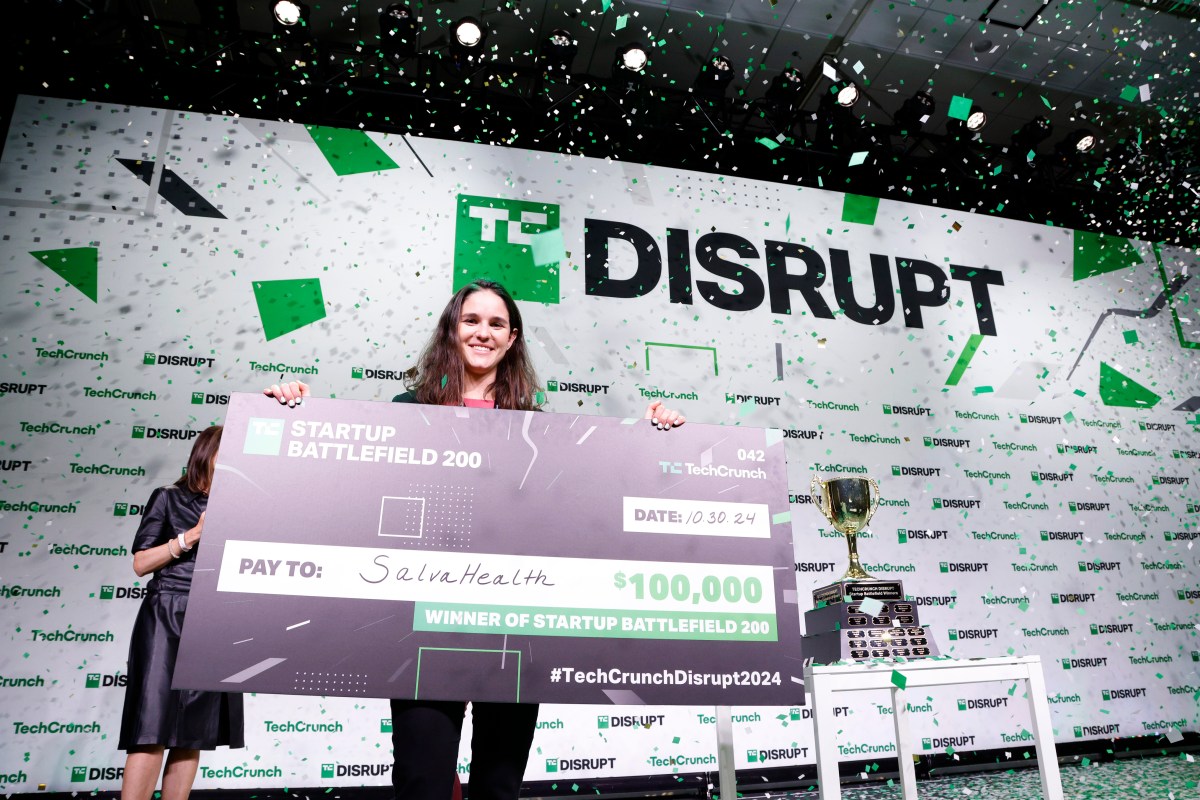
TechCrunch Disrupt is one of the most watched stages in tech. The Startup Battlefield 200 program pulls early-stage companies into the spotlight, and a smaller group competes for the Battlefield Cup and a $100,000 grand prize in front of hundreds of venture capitalists and journalists. The competition has been running since 2007. It’s made careers and launched companies most people have heard of.
According to Crunchbase, early-stage startup funding in the U.S. hit $47 billion in 2025, a 22% jump from the year before. Money is moving again. But attention is the real scarce resource. Battlefield cuts through the noise in a way that a cold email to a VC never will. The 2026 application window opened in early April. Three days from now, it closes for good.
This isn’t just about winning. Only one team takes home the Battlefield Cup. But all 200 selected startups get booth space, press coverage, and face time with investors who are actively writing checks. According to TechCrunch, more than 40 former Battlefield companies have gone on to reach unicorn status, meaning a valuation of $1 billion or higher. That stat alone should make any serious founder stop scrolling.
The Take Most Founders Won’t Hear
Here’s what I think most people get wrong about competitions like Startup Battlefield. They treat it like a lottery. Apply once, hope to get picked, do nothing different. That’s the wrong mindset entirely.
The founders who get into Battlefield don’t just fill out a form. They treat the application like a pitch. They build a tight two minute demo video. They write a clear problem statement. They know their numbers cold. And they apply early so they have time to revise if needed.
I’ve watched founders skip applications like this because they thought their product wasn’t ready. That’s fear dressed up as strategy. According to Y Combinator’s published data, companies that were rejected at the idea stage and reapplied six months later had a 3X higher acceptance rate. The same principle applies here. Getting in front of real feedback makes you better faster.
The other thing most founders miss: Battlefield isn’t just for software companies anymore. Hardware, climate tech, and biotech startups have made up a growing share of the Battlefield 200 cohort in recent cycles, according to TechCrunch reporting. If you’ve been telling yourself this competition isn’t for your type of company, you probably haven’t looked at the application recently.
And here’s the money argument. A startup that walks out of Disrupt with the Battlefield Cup closes its next round faster and at a higher valuation than one that doesn’t. According to PitchBook data from 2024, competition winners raised their next round 31% faster than the median early-stage startup. Visibility converts. That’s not opinion; that’s math.
If you’re putting together your demo or pitch video for the application, InVideo AI can cut that production time down fast. It’s one of the quickest ways to produce a clean, professional product walkthrough without a production crew or a big budget.
What This Means For You
Here’s what I would do if I had a startup right now and this deadline was three days out.
First, I’d stop overthinking whether the product is ready. If you’re live, if you have users, if you have a clear problem you’re solving, you’re eligible. Apply. The worst outcome is a rejection, and even that tells you something useful about how you’re presenting your company.
Second, I’d spend the next 48 hours on the application itself, not the product. Sharpen your pitch line. Answer every question as if a distracted investor is reading it on a phone between meetings. That’s probably exactly who reviews it first.
Third, I’d get my tools in order. A lot of early-stage founders are still overpaying for software they use once a month. AppSumo has lifetime deals on tools that startups actually use, and stacking those early saves real runway you can point to when it’s time to fundraise.
Fourth, submit before the deadline, not on it. Servers crash. Uploads fail. Submissions sent right at the wire get less attention. Send it in today or tomorrow if you can at all manage it.
The Battlefield 200 is a real shot. It costs nothing to apply. The upside is enormous and completely in your favor. There’s no good argument for skipping it.
The Bottom Line
Most founders will let June 9 pass them by. They’ll tell themselves they weren’t ready, or the timing was off, or they’ll try next year. Next year, they’ll say the same thing. The founders who get funded are the ones who show up before the window closes. Three days is enough time. Whether you use it is entirely on you.
Frequently Asked Questions
What is the Startup Battlefield 200?
The Startup Battlefield 200 is TechCrunch’s flagship startup competition held at TechCrunch Disrupt each year. Two hundred early-stage startups are selected to exhibit, and a smaller group competes for the Battlefield Cup and a $100,000 prize in front of venture capitalists and press.
When do Startup Battlefield 200 applications close?
Applications close on June 9, 2026. That’s three days from today. The application is free and open to early-stage startups, generally from the preseed through Series A stage.
Do you have to win to get value from Startup Battlefield?
No. All 200 selected companies get booth space at Disrupt, press coverage, and direct access to investors attending the event. According to TechCrunch, more than 40 Battlefield alumni have reached unicorn status without winning the top prize.
What do judges look for in a Startup Battlefield application?
Judges want a clear problem, a differentiated solution, and a team that understands its market. A sharp demo video and specific traction numbers help significantly. Vague applications with no real data rarely make it through selection.
Is the Startup Battlefield 200 only for software startups?
No. Hardware, climate tech, biotech, and other sectors have all been represented in recent Battlefield cohorts. TechCrunch has expanded its focus well beyond pure software companies in recent years, and the 2026 cohort reflects that shift.
“`
Get stories like this in your inbox. Daily.
Free. No spam. The AI, tech, and finance stories that move money.