SpaceX Massive Chip Factory Investment Could Reshape AI Computing
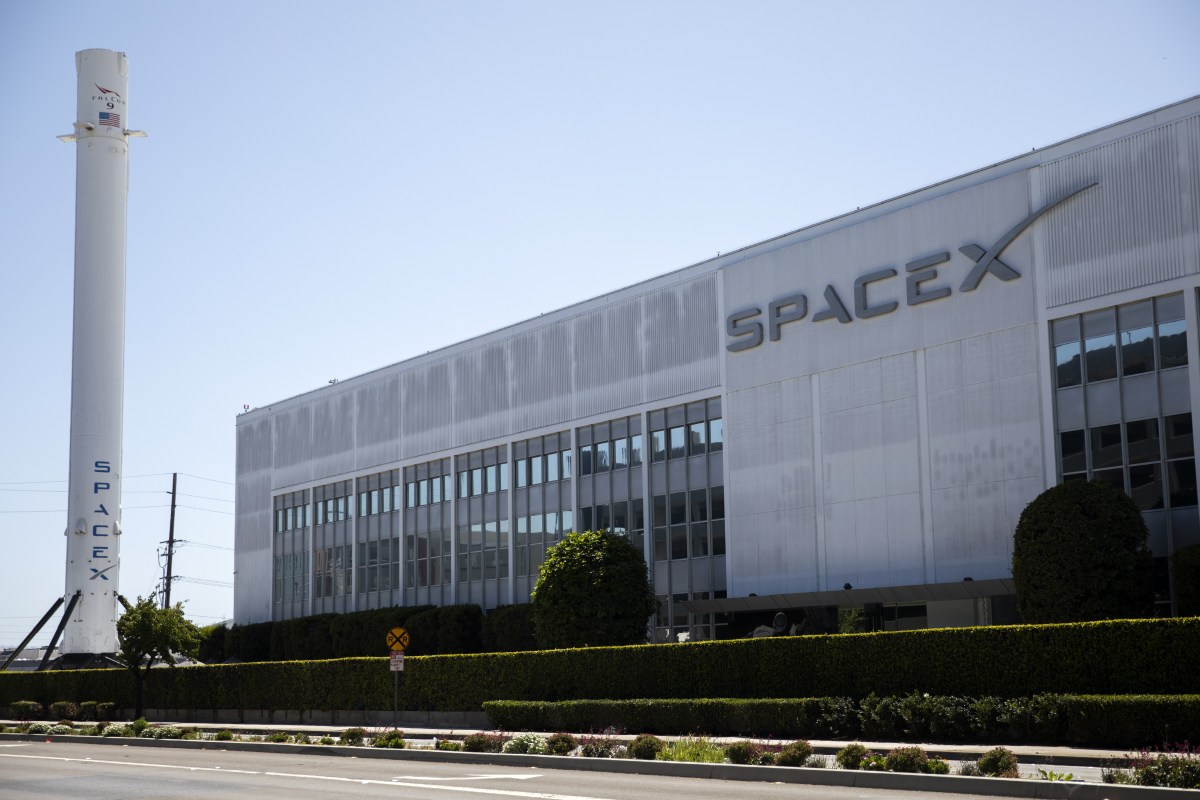
SpaceX Massive Chip Factory Investment Could Reshape AI Computing
Elon Musk just announced the biggest private semiconductor investment in history. SpaceX’s Terafab project will spend up to $119 billion building chip factories in Texas, according to Manufacturing Dive. This isn’t just about making chips. It’s about controlling the future of AI computing.
The public notice filed on May 6, 2026, reveals the true scale of SpaceX’s massive chip factory investment. Starting with a $55 billion initial spend in Grimes County, Texas, the project could balloon to $119 billion across multiple phases, according to Moneycontrol. This dwarfs the entire annual AI chip market, which produces roughly 20 gigawatts of computing power per year, according to Augment.market. Musk wants to build 1 terawatt. That’s 50 times bigger than what the entire world makes today.
The timing isn’t coincidental. SpaceX acquired xAI in February 2026, creating a vertically integrated monster that combines rockets, electric vehicles, and artificial intelligence. The company’s private valuation hit $1.5 trillion, according to Reuters, making this chip factory the logical next move. Tesla needs chips for its Full Self-Driving cars and Optimus robots. SpaceX needs them for its planned 1 million satellite constellation. And both companies are tired of begging NVIDIA for scraps.
Here’s what Wall Street doesn’t understand about this move. Everyone thinks Musk is competing with Intel or Samsung. Wrong. He’s building the infrastructure for orbital data centers. The Terafab project will produce 100 to 200 gigawatts for terrestrial use, but the real prize is space-based computing. According to Musk’s March 24 livestream, most of the production will support SpaceX’s FCC-filed satellite network for orbital computing.
I’ve watched tech leaders make bold moves before, but this is different. Musk isn’t just buying chips or partnering with existing foundries. He’s building the entire supply chain from scratch. Design, lithography masks, logic and memory fabrication, testing, packaging. Everything in-house. That’s what he calls “recursive chip improvement.” Each generation of chips helps design better chips. It’s the same strategy that made Tesla’s batteries and SpaceX’s rockets so dominant.
The numbers tell the story. Global AI chip demand is exploding, but production capacity isn’t keeping up. Current leading-edge 2nm fabs cost tens of billions of dollars and take over three years to build, according to Augment.market. Musk is planning multiple fabs simultaneously. While Intel struggles with 18A process delays and TSMC rations capacity, SpaceX will have its own private supply. The AI race is reshaping entire industries, and chip access determines who wins.
The poor mindset says this is too risky, too expensive, too ambitious. The rich mindset recognizes vertical integration as the ultimate competitive advantage. Henry Ford didn’t just build cars. He owned the steel mills, rubber plantations, and railroads. Musk is applying the same principle to semiconductors. When every other AI company is fighting over limited chip supply, SpaceX will have unlimited capacity.
What This Means for You
If you’re investing in AI stocks, pay attention to chip supply chains. Companies with guaranteed chip access will dominate. Companies without it will struggle. I’d watch SpaceX suppliers and Texas-based semiconductor equipment makers. This factory will need hundreds of specialized tools and thousands of engineers.
For content creators and marketers, this shift toward orbital computing changes everything. When SpaceX launches those million satellites, global internet speed and AI processing power will jump dramatically. Tools like InVideo AI for video creation will get faster and cheaper as computing moves to space-based data centers. The early adopters who understand this shift will have massive advantages.
Here’s what I would do right now. First, research companies in SpaceX’s supply chain. Tool manufacturers, materials suppliers, logistics partners. Second, consider Texas real estate near the factory sites. Thousands of high-paying engineers are coming. Third, learn about orbital computing and satellite internet. This technology will replace terrestrial data centers within a decade.
Don’t ignore the timing risks. Musk has a history of delays, according to Augment.market. The Cybertruck was years late. Full Self-Driving took longer than promised. But when Musk delivers, he usually exceeds expectations. SpaceX went from startup to NASA’s primary launch partner. Tesla became the world’s most valuable automaker. The pattern holds.
Smart money follows smart people making smart moves. This isn’t just about chips. It’s about controlling the infrastructure that powers AI, satellites, and electric vehicles. While competitors fight over existing capacity, Musk is building new capacity. That’s how you win long-term.
The Bottom Line
SpaceX’s $119 billion chip factory isn’t just an investment. It’s a declaration of independence from the semiconductor industry’s gatekeepers. When this facility comes online, Musk will control more computing power than most countries. The companies and investors who recognize this shift early will profit. The ones who dismiss it as another Musk publicity stunt will get left behind. Choose wisely.
Frequently Asked Questions
What is SpaceX massive chip factory investment?
SpaceX’s Terafab project is a $55 to $119 billion semiconductor manufacturing facility in Texas. The factory will produce chips for Tesla vehicles, SpaceX satellites, and orbital data centers, targeting 1 terawatt of annual computing power production.
How does SpaceX massive chip factory work?
The facility will be vertically integrated, handling everything from chip design to final packaging. SpaceX plans to use “recursive chip improvement” where each generation of chips helps design better chips, similar to how Tesla improved its battery technology.
Why is SpaceX building a massive chip factory?
SpaceX needs guaranteed chip supply for its 1 million satellite constellation and Tesla’s autonomous vehicles. Rather than depend on external suppliers like NVIDIA or TSMC, Musk is building his own capacity to ensure unlimited access to semiconductors.
When will the SpaceX chip factory be operational?
SpaceX hasn’t disclosed specific timelines, but leading-edge semiconductor fabs typically take 3+ years to build according to industry data. Given the project’s scale and Musk’s history of delays, expect initial production by 2029 at the earliest.
How big is SpaceX’s chip factory investment compared to competitors?
At up to $119 billion, this is the largest private semiconductor investment ever announced. It’s roughly six times bigger than Intel’s recent US manufacturing commitments and targets 50 times more computing power than the entire current global AI chip market produces annually.
Get stories like this in your inbox. Daily.
Free. No spam. The AI, tech, and finance stories that move money.