SpaceX Falls Below $135 IPO Price Before Starship Launch
“`html
SpaceX Falls Below $135 IPO Price Before Starship Launch
SpaceX shares dropped to $131 this week, slipping below their $135 IPO price for the first time since the company went public in 2026. Retail investors who bought the hype at the open are sitting on losses. I’ve seen this exact setup before, and it almost never ends the way the crowd expects.
What’s Happening Right Now
SpaceX finally went public earlier this year after years of secondary market speculation and pressure from early backers. The IPO priced at $135 per share, putting the company’s valuation near $400 billion, according to Bloomberg. That number was already a stretch relative to the actual revenue mix. The market opened with enormous excitement. Retail money poured in. Now the stock can’t hold its first-day price.
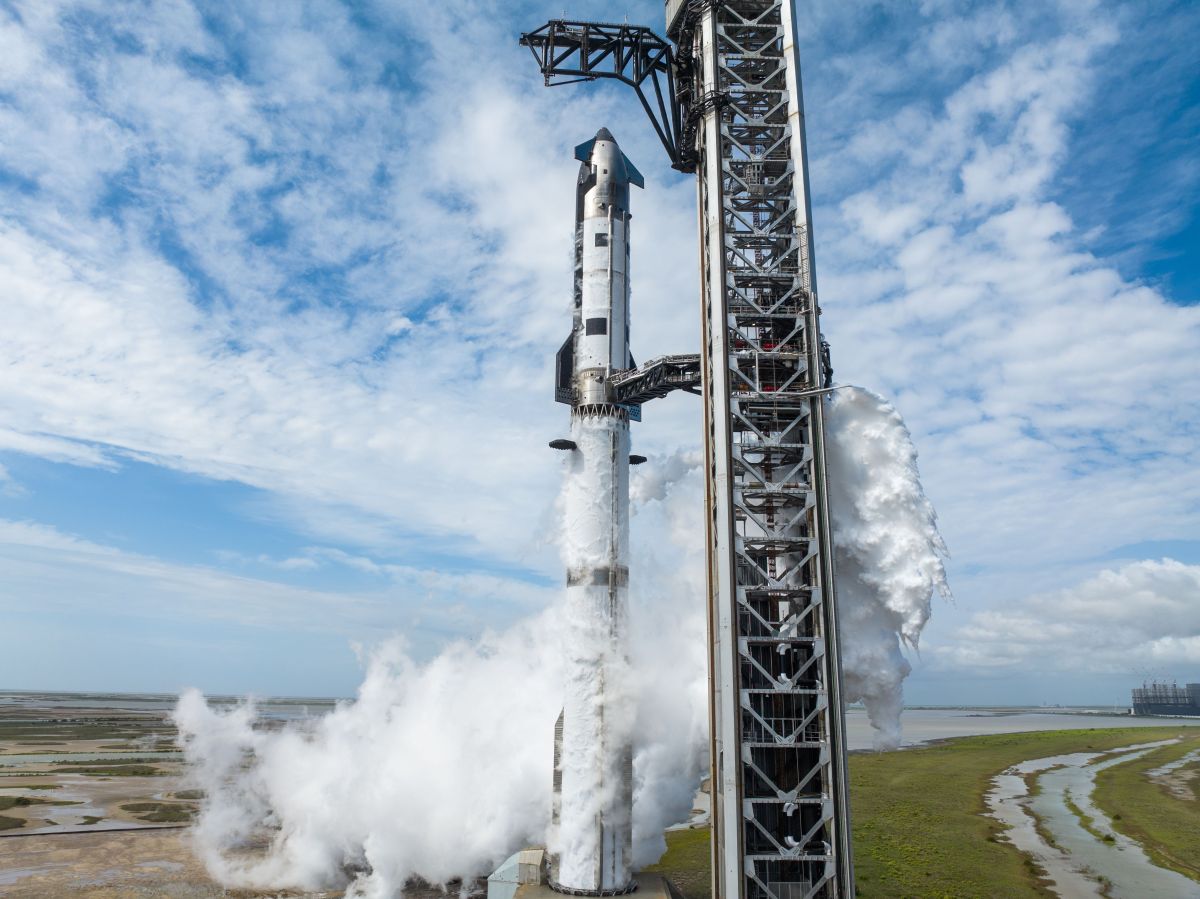
The timing matters. SpaceX has another Starship integrated flight test scheduled for later this month. Before the IPO, secondary market platforms like Forge Global tracked similar pre-launch volatility in private share prices. Now that the stock trades publicly, that volatility is instant and visible to everyone.
According to Renaissance Capital, roughly 60% of major tech and aerospace IPOs in 2025 traded below their offering price within six months of listing. SpaceX is on pace to join that group faster than most analysts predicted.
Why This Is the Story No One Is Telling
Most retail investors are treating SpaceX like a tech stock. It’s not. It’s an aerospace and defense contractor with a consumer internet side business. The valuation math only works if Starlink becomes the dominant global internet provider, if Starship achieves full reusability at scale, and if government launch contracts keep flowing. That’s three massive assumptions baked into a single $135 price tag.
The smart money doesn’t chase IPOs. It waits. The average person sees SpaceX go public and thinks “I need to own a piece of history.” The sharp operator looks at the lockup expiration date, the revenue mix, and the cash burn. According to Morgan Stanley estimates from late 2025, Starlink was generating roughly $6 billion in annual recurring revenue. But SpaceX’s Starship development spend was estimated at over $3 billion per year. The margin story isn’t clean yet.
Compare this to Tesla’s first year as a public company. According to historical NYSE records, Tesla fell over 30% from its IPO price in the first twelve months before its legendary multi-year run. SpaceX might follow a similar arc. Or it might not. The point is that buying at the IPO price is almost never the smart play. You’re paying for someone else’s excitement, not your own analysis.
There’s also the Elon factor. His attention runs across multiple companies at once. When the news cycle shifts away from SpaceX, the stock tends to drift without a catalyst. The Starship launch announcement is keeping eyes on the company right now, but attention isn’t revenue.
For founders and business owners watching this story, the lesson is simple. Clean financial operations matter more than narrative bets. I’ve pointed several founders I know toward Wallester for managing business card spend across their teams because knowing exactly where money goes every month is more valuable than trying to time a volatile IPO stock.
What This Means for You
If you bought SpaceX at the IPO and you’re sitting on a small loss, here’s what I would do. Hold. Selling at a loss only makes sense if you have gains elsewhere to offset for tax purposes. Check your full portfolio picture before reacting to a single price chart.
If you didn’t buy and you’re thinking about entering now, wait for the Starship launch result. A failed test will push shares lower and give you a better entry point. A successful test will pop the price briefly before the news gets fully priced in. Either scenario gives a patient buyer more opportunity than buying into the current drift.
The bigger signal here isn’t about SpaceX at all. It’s about market sentiment. When a company this famous, this connected to a celebrity CEO, and this hyped across financial media can’t hold its IPO price, retail confidence is thinner than the headlines suggest. That tells you something about how to position everything else you own right now.
If you run a small business or startup and you find yourself distracted by stories like this while you should be focused on your own operations, that’s a signal too. Founders I respect use Gusto for payroll because it removes one more operational distraction and lets them stay focused on decisions that actually move their numbers.
The smartest play right now isn’t about SpaceX specifically. It’s about not letting market drama pull you away from building real cash flow in your own business.
The Bottom Line
SpaceX is a great company. The stock is a separate conversation entirely. Most people never learn to tell the difference between the two. The IPO priced this company for perfection, and perfection is a very expensive promise to keep. Watch the Starship launch. Then read the next earnings report. Then decide. In that order. The market will still be there after you’ve done your homework.
Frequently Asked Questions
Why did SpaceX stock fall below its IPO price?
SpaceX shares declined as early retail enthusiasm faded and investors began evaluating the company’s actual revenue mix and development costs more carefully. According to Renaissance Capital, the majority of major tech and aerospace IPOs trade below their offering price within six months of listing. SpaceX followed that pattern faster than most expected.
What is the SpaceX IPO price and what does the current drop mean?
SpaceX went public at $135 per share in 2026, implying a valuation near $400 billion according to Bloomberg. Shares have since slipped below that price. Falling below the IPO price is a psychological threshold, but it does not automatically signal that the company is in trouble. It signals that the market paid too much on day one.
How will the Starship launch affect SpaceX stock price?
Launch outcomes have historically driven short term price moves for SpaceX on both secondary and public markets. A successful test may trigger a brief rally before the news gets priced in. A failed test would likely push shares lower. Neither outcome changes the fundamental revenue and profitability questions the market needs answered.
Should I buy SpaceX stock now that it trades below the IPO price?
Below the IPO price is not automatically a bargain. The better approach is to wait for the Starship launch outcome and review the next earnings release before committing capital. Never let a narrative drive a decision that should be driven by numbers and your own financial situation.
What is the connection between SpaceX stock and crypto markets?
Before the IPO, SpaceX shares were accessible through tokenized equity platforms and crypto native secondary markets that offered fractional exposure to private company shares. Now that SpaceX trades on a public exchange, much of that activity has shifted to traditional brokerage accounts. The crossover audience between crypto investors and SpaceX retail buyers remains significant.
“`
Get stories like this in your inbox. Daily.
Free. No spam. The AI, tech, and finance stories that move money.