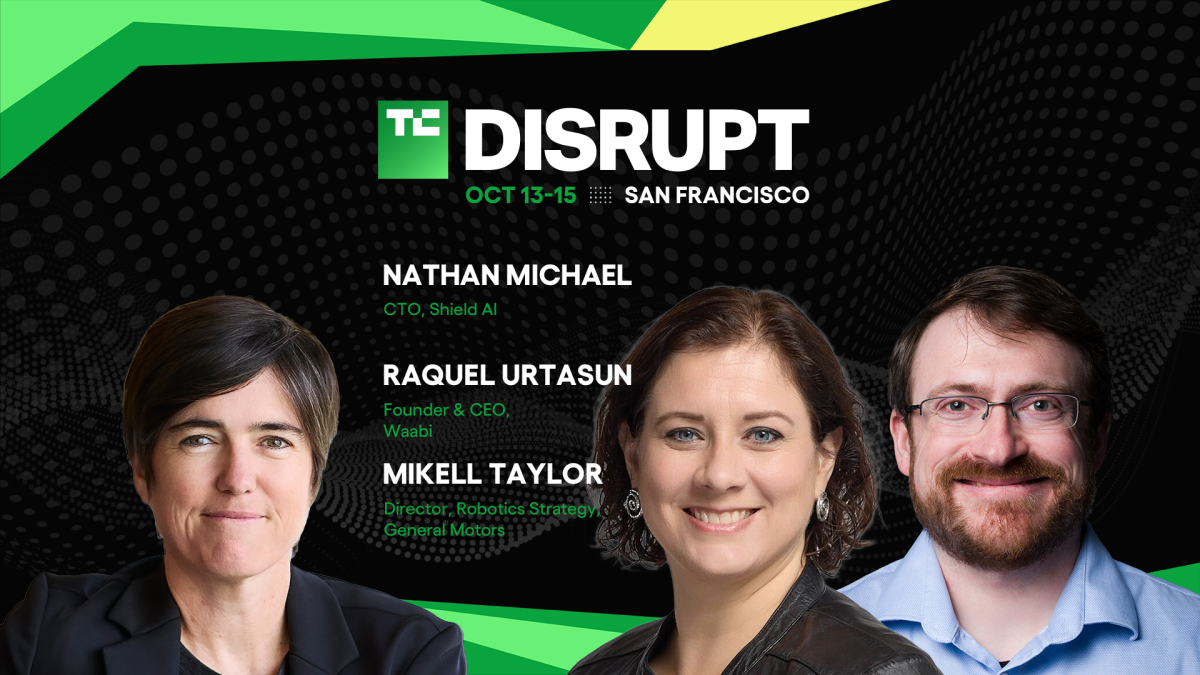
Three companies took the stage at TechCrunch Disrupt 2026 and said what most AI builders won’t admit. When your AI fails, someone dies. Shield AI, Waabi, and General Motors are not building recommendation engines. They’re building systems that fly fighter jets, drive eighteen-wheelers, and move through city streets without a human hand on the wheel. The margin for error is zero. And that changes everything about how you build.
Why This Moment Matters
Most AI companies are playing in sandboxes. A bad chatbot gives you a wrong answer. A bad autonomous aircraft kills a pilot. That gap is not philosophical. It’s financial, legal, and reputational. According to TechCrunch, the panel brought together executives from Shield AI, Waabi, and GM to discuss what it actually takes to ship AI in high-stakes environments, and the lessons don’t stay in those industries.
Shield AI builds autonomous military pilots. Their Hivemind software flew an F-16 in a simulated dogfight against a human pilot and won. According to Shield AI’s public funding disclosures, the company has raised more than two billion dollars as of 2026. That’s not venture capital chasing a trend. That’s the U.S. Department of Defense betting that autonomous military AI is real and it’s operating now.
Waabi, founded by AI researcher Raquel Urtasun, is building autonomous trucking from the ground up using a simulation-first approach. According to Waabi, their system learns almost entirely in virtual environments before touching a real road. GM brought the Cruise story to the panel, including the painful 2023 incident that nearly ended the program and what it took to rebuild from there.
The Contrarian Take Most Founders Won’t Like
Here’s what I took away from this panel. The founders building “safe” consumer AI are actually building the riskiest companies. The companies in the death-stakes space are building the most defensible ones.
Think about it. If you build a recommendation algorithm and it’s wrong, users churn. You iterate. You survive. If you build autonomous aviation software and it’s wrong, you face criminal investigations, congressional hearings, and a company-ending lawsuit before you get a second chance. That pressure forces a kind of engineering discipline that consumer AI never demands.
Shield AI’s co-founder Brandon Tseng talked about what it means to ship software to the battlefield. You don’t get a patch cycle when your product is flying a mission over hostile territory. You don’t get a hotfix when a truck is doing ninety miles per hour on I-10. Waabi’s approach to simulation reflects the same philosophy. According to Waabi, their system logs billions of virtual miles for every few thousand on real roads. The ratio is not a bottleneck. It’s the moat.
This is the rich versus poor mindset applied to AI companies. The poor mindset is shipping fast, breaking things, and hoping users forgive you. The rich mindset is building the system that nobody can replicate because the bar to entry is so high it kills most competitors before they ship version one.
According to McKinsey, the global autonomous vehicle market is projected to reach over three hundred billion dollars by 2035. Defense industry analysts tracking NATO military AI budgets estimate annual spending will exceed forty billion dollars by 2027. That’s not niche. That’s where serious capital is moving.
If you’re a founder thinking about where to build, I’d look hard at the sectors where the bar is high enough to kill companies. That’s where winners lock in margins and customers for decades. One practical note for founders building in regulated industries: getting your business entity right from the start matters more than most people think. Using a service like Inc Authority to set up your LLC correctly from day one keeps you out of liability trouble later, especially when you’re contracting with government or enterprise clients who will scrutinize your corporate structure.
What This Means for You
You don’t have to build autonomous weapons to apply these lessons. The discipline that Shield AI and Waabi use is available to any team willing to adopt it.
First, simulate before you ship. Waabi runs billions of virtual miles before a truck touches a real road. You can run thousands of synthetic tests before your AI model touches real customer data. Most teams skip this because it feels slow. It’s not slow. It’s the difference between a bug that costs you an hour and a bug that costs you your company.
Second, build for auditability from the start. GM learned this the hard way with Cruise. When regulators come knocking, and in any serious AI application they will, you need logs, decision trails, and documentation that shows exactly what your system did and why. If you’re managing contracts or compliance documents in your AI business, tools like signNow handle the entire signature and audit trail digitally, which matters when you’re showing regulators a clean paper trail months or years after a decision was made.
Third, take the hardest customer first. Shield AI didn’t start with consumer drones. They went straight to the Department of Defense. The hardest customer forces you to build the most solid system. Once you clear that bar, every other customer feels easy.
I’d also say this. The engineers who work on high-stakes AI are different. They don’t take shortcuts. They document obsessively. They argue about edge cases that haven’t happened yet. If you can attract even two or three engineers with that background, your whole team gets sharper.
The Bottom Line
Shield AI, Waabi, and GM are not building toys. They’re building systems that the world is betting its infrastructure and defense on. The founders who pay close attention to this panel won’t just learn about autonomous vehicles or military AI. They’ll learn what it looks like to build a company that earns the right to exist. Most AI startups are one bad press cycle away from zero. These companies are not. That gap is not luck. It’s discipline. And discipline is a decision you can make starting today.
Frequently Asked Questions
What is Shield AI and what does it build?
Shield AI is a defense technology company that builds autonomous AI pilots for military aircraft. Their Hivemind system can fly missions without a human pilot in the loop. According to Shield AI’s public disclosures, the company has raised more than two billion dollars and works closely with the U.S. Department of Defense on autonomous aerial systems.
How does Waabi approach high-stakes AI development differently?
Waabi uses a simulation-first method, training their AI on billions of virtual miles before deploying on real roads. According to Waabi, this approach produces a safer system faster than companies that rely primarily on real-world data collection. Founder Raquel Urtasun built the entire company around this philosophy from day one.
What happened with GM Cruise and why does it matter?
In 2023, a Cruise robotaxi was involved in an incident that led California regulators to suspend its operating permits. GM spent years rebuilding the program’s safety protocols and regulatory relationships. The lesson from Disrupt 2026 is that one failure in high-stakes AI can set a program back years, which is why engineering standards must be absolute before deployment.
Can smaller startups apply the high-stakes AI philosophy?
Yes. The core practices, including simulation testing, audit trails, and targeting the hardest customer first, apply to any company building AI that affects health, money, or safety. You don’t need a defense contract to adopt the discipline. You just need the will to hold yourself to a higher standard than the market demands.
Is high-stakes AI a good investment opportunity in 2026?
According to McKinsey projections, the autonomous vehicle market alone is on track to exceed three hundred billion dollars by 2035. Add military AI and industrial automation and the total addressable market dwarfs most consumer AI categories. If you’re looking at where durable, long-term capital is moving in AI, high-stakes applications are where the serious money is going.