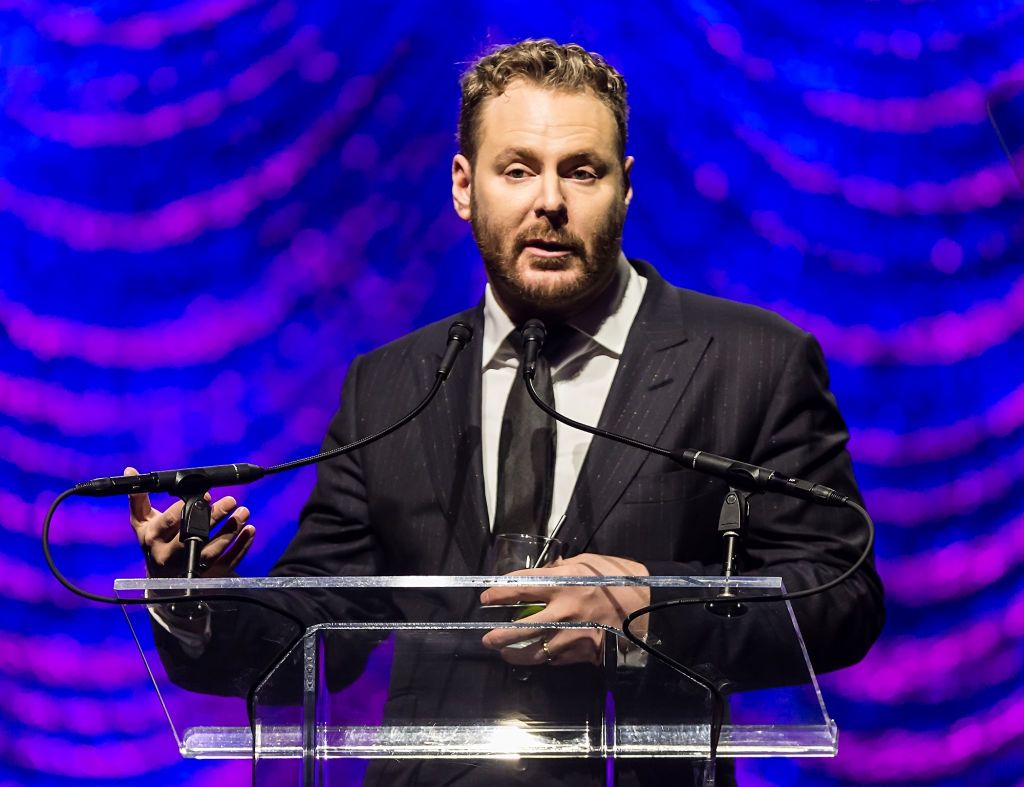
The man who broke the music industry once is doing it again. Sean Parker, the Napster co-founder who handed Mark Zuckerberg his first $500,000, is rebuilding Stability AI as a music-first company. This is not a side project. It is a full pivot by one of the most underrated power players in tech, and the money implications are massive for anyone paying attention.
How We Got Here
Stability AI built its reputation on Stable Diffusion, the open source image generator that made AI art go mainstream. But image generation got crowded fast. Midjourney, Adobe Firefly, and a dozen other tools ate into Stability’s positioning. Between 2023 and 2025, the company cycled through leadership, cut staff, and struggled to find a sustainable business model, according to reporting from The Information and Bloomberg.
Parker’s move into Stability AI changes the entire story. He is not coming in to fix a content generation company. He is coming in to own the infrastructure layer of AI music before the music labels realize they are already losing. According to Billboard, the global recorded music market hit $28.6 billion in 2024. AI tools are now touching every part of that supply chain, from composition to mastering to distribution.
Parker knows this space better than almost anyone. Napster did not just break copyright law. It proved that when you change how music moves, you change who profits from it. That lesson never left him.
Why This Is a Bigger Deal Than the Headlines Suggest
Most people read “Sean Parker rebuilds Stability AI around music” and think: cool story, another tech pivot. That is the wrong frame.
Here is what I see. Music is the only creative category where AI generation is running faster than the legal system can respond. Suno raised $125 million at a reported valuation near $500 million in 2024, according to TechCrunch. Udio, its closest competitor, raised $50 million in its seed round. These are not toy companies. They are building the pipes that will replace session musicians, sync licensing deals, and background score production inside of five years.
The music labels know this. Universal Music Group pulled their catalog from several AI training datasets in 2024 and filed lawsuits. That sounds like strength. It is actually fear. When incumbents sue instead of build, they are buying time, not solving the problem.
Parker is not trying to license the old music catalog. He is trying to own the new one. Stability AI, rebuilt around music generation, becomes a platform where artists, brands, and developers generate original tracks without touching a label’s IP. That sidesteps the lawsuit problem entirely and puts the value creation on top of an open model instead of inside a closed licensing deal.
The rich versus poor play here is obvious once you see it. Average music fans will keep streaming on Spotify and paying $10 a month for someone else’s catalog. Operators who understand what Parker is building will position themselves on top of AI-generated music tools before prices go up and access gets gated. If you are a content creator, a game developer, a brand running video ads, or anyone who pays for sync licensing today, the cost of music production is about to drop by 80 to 90 percent. That margin goes somewhere. It either goes to you or to the platform.
If you are thinking about funding a project in this space or expanding your own content operation to take advantage of these tools, it makes sense to have your finances tight first. Comparing loan options through SuperMoney loan comparison is one smart way to see what capital looks like for your situation before committing to anything.
What This Means For You
I do not think most people reading this are going to invest directly in Stability AI. That is fine. The opportunity is not in the equity. It is in the behavior change this signals.
Here is what I would do. First, start treating AI music tools as production infrastructure, not novelty. If you create video content, run a podcast, or produce anything that needs background audio, your current music budget is wasted money. Tools like Suno, Udio, and whatever Stability AI ships next will produce usable tracks in minutes for pennies. Redirect that budget into distribution or paid promotion instead.
Second, watch the licensing deals that come out of Parker’s rebuild. When a company backed by serious money starts doing enterprise deals with brands, that is your signal that the technology crossed the “good enough” threshold for commercial use. That is the moment to go all in on the tools.
Third, think about your financial positioning. Tech cycles move fast. The window to get ahead of an AI-driven industry shift is usually 12 to 18 months before the mainstream press covers it as old news. If your personal credit situation limits your ability to act on opportunities like this, now is the time to clean it up. Monitoring your credit through IdentityIQ credit monitoring gives you a clear picture of where you stand so you are not caught flat-footed when the right moment comes.
Parker’s bet is that music is the category where AI generation wins cleanest because the raw material (original compositions) can be created without infringing on existing IP. I think he is right. The labels will fight, the lawsuits will drag on, and in the meantime the open model will grow faster than the courts can stop it. That is the Napster playbook, running again 25 years later with better infrastructure.
The Bottom Line
Sean Parker broke the music industry once by making distribution free. Now he is making creation free. The labels are going to fight this the same way they fought Napster, and they are going to lose the same way too. The money is not in resisting this shift. The money is in understanding it faster than the person next to you and moving while everyone else is still arguing about whether it should be allowed.
Frequently Asked Questions
What is Sean Parker’s role at Stability AI?
Parker has moved into a leadership position at Stability AI with a focus on rebuilding the company’s product strategy around music generation. He brings both financial backing and deep industry context from his time at Napster and as an early Facebook investor and president.
What does Stability AI’s music pivot mean for artists?
For working musicians, it is a real threat to session work, sync licensing income, and background composition contracts. The upside is that artists who learn to use these tools early will be able to produce and distribute at a scale that was previously only available to signed acts with label budgets.
Is AI-generated music legal to use commercially?
As of 2026, the legal picture is still evolving. Music generated from open models trained on licensed or public domain data is generally considered usable, but you should check the terms of service for any tool you use for commercial projects. The lawsuits filed by major labels are focused on training data, not output use.
How big is the AI music market right now?
According to Grand View Research, the global AI in music market was valued at over $2 billion in 2024 and is projected to grow at a compound annual growth rate above 25 percent through the end of the decade. That growth rate reflects how fast adoption is accelerating across content creation, gaming, and advertising.
Who are the main competitors to Stability AI in music generation?
Suno and Udio are the two best-funded independent music AI platforms right now. Adobe has integrated music tools into its creative suite, and Google has published research in this space through its DeepMind division. Parker’s bet is that Stability AI’s open-source credibility gives it a distribution advantage that closed-model competitors will struggle to match.