Nadella's AI Warning Most Companies Are Ignoring
“`html
Nadella’s AI Warning Most Companies Are Ignoring
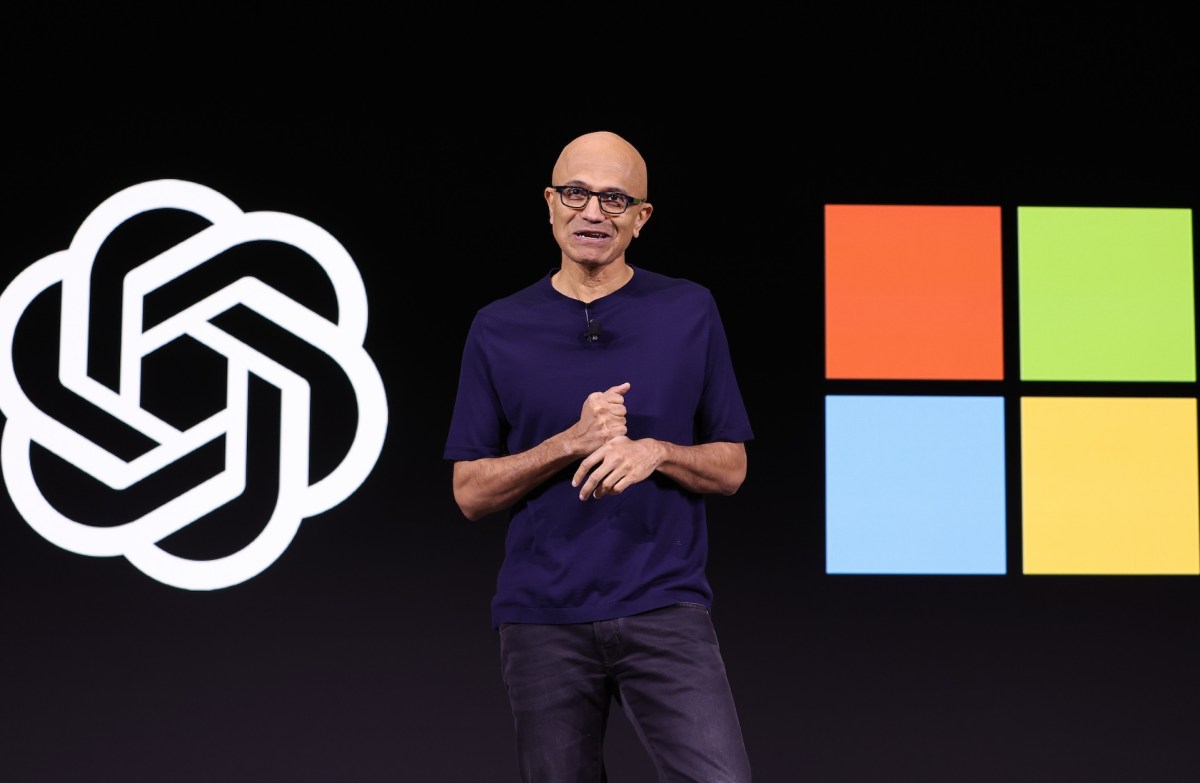
Satya Nadella just said something that should scare every CEO in America. Microsoft’s chief told executives that companies treating AI as a simple software add-on are building on sand. According to Microsoft’s fiscal Q3 2026 earnings report, enterprise AI spending hit $847 billion globally this year, yet fewer than 30% of companies report measurable returns on that investment. That gap is the warning nobody wants to hear.
Why This Warning Matters Right Now
We’re in the middle of the biggest corporate spending wave in tech history. According to Goldman Sachs Research, companies worldwide poured over $1.3 trillion into AI infrastructure and tools between 2024 and mid 2026. That’s not a typo. One point three trillion dollars.
Nadella’s warning cuts through the noise. Speaking at the Microsoft Build conference in June 2026, he told executives that companies simply buying AI tools from vendors, without building their own data assets or AI capabilities, are creating a new form of dependency. His framing was blunt: you’re renting intelligence you don’t own. When the model improves, your competitor gets the same upgrade at the same price. There’s no moat.
According to McKinsey’s 2026 AI Adoption Report, 67% of Fortune 500 companies have deployed at least three AI tools in the past 18 months. Only 22% have changed their core operating model to match. The rest are paying for speed they can’t actually use.
The Real Money Story Nobody Is Telling
Here’s what I see when I look at this data. There’s a split happening in corporate America right now. On one side, you have companies building proprietary data pipelines, fine-tuning models on their own customer data, and creating AI assets they actually own. On the other side, you have companies writing checks to OpenAI, Microsoft, and Google, getting the same outputs as every one of their competitors, and calling it a strategy.
Nadella knows this split is coming because Microsoft sits right at the center of it. Azure’s AI revenue grew 157% year over year according to Microsoft’s fiscal Q3 2026 report. That growth isn’t coming from companies that built their own AI. It’s coming from companies that are renting it. Microsoft wins either way. You might not.
Think about what Rich Dad Poor Dad taught a generation of readers. The poor work for money. The rich make money work for them. The same principle applies here. Poor AI strategy means you’re paying monthly fees to run intelligence someone else built on someone else’s data. Rich AI strategy means you’ve turned your customer interactions, your transaction history, and your operational data into a proprietary asset that gets smarter every day.
According to a 2026 Gartner survey, companies that built internal AI capabilities saw 2.4 times higher productivity gains than companies that relied purely on prebuilt AI tools. That 2.4x multiplier is the moat Nadella is talking about. If you’re spending on AI without building that moat, you’re subsidizing your competitor’s future advantage.
The finance angle matters here too. Many companies are financing AI buildouts with working capital or short-term credit. If you’re making capital decisions around AI infrastructure costs, it pays to compare your options first. SuperMoney loan comparison lets you see rates from multiple lenders side by side so you’re not locking into expensive debt on a multi-year technology bet.
What This Means For You
I’m going to be direct. If you run a business and you’ve been using AI as a productivity tool, that’s fine. But if that’s your entire AI strategy, you’re already behind.
Here’s what I would do right now.
First, audit every AI tool you’re paying for. Ask one question for each: does this tool learn from your specific data, or does it use generic training? If it’s generic, you’re getting the same output as every competitor who pays for the same subscription. That’s not a competitive advantage. That’s a commodity.
Second, identify the data you own that competitors don’t. Your customer conversation history. Your defect rates. Your pricing decisions and their outcomes. That data is a raw asset. The companies winning the next phase of AI aren’t winning because they bought better tools. They’re winning because they trained better models on better proprietary data.
Third, take the security layer seriously. Every AI tool you connect to your business systems creates a data exposure point. According to IBM’s 2025 Cost of a Data Breach Report, the average breach now costs $4.88 million. If you’re feeding customer data into third party AI tools without monitoring for exposure, you’re flying blind. IdentityIQ credit monitoring can help individuals and business owners catch exposure signals before they turn into full breaches.
Fourth, stop treating AI spend as a line item in your software budget. Start treating it like research and development. The companies that win will own the intelligence. The ones that lose will have paid to help someone else build it.
The Bottom Line
Nadella’s warning isn’t subtle. Companies that rent AI without building anything they own are creating a dependency, not a strategy. The $1.3 trillion already spent on AI tools will produce two outcomes: a small group of companies that turned that investment into proprietary intelligence, and a much larger group that paid for someone else’s competitive advantage. Decide which group you’re in now. That window won’t stay open forever.
Frequently Asked Questions
What exactly did Satya Nadella warn companies about?
Nadella warned that companies simply buying AI tools without building proprietary data assets or internal AI capabilities have no competitive moat. They get the same outputs as every competitor using the same tools. When the underlying models improve, every competitor gets the same upgrade at the same time.
Why is Satya Nadella’s AI warning significant in 2026?
By mid 2026, global enterprise AI spending had crossed $1.3 trillion according to Goldman Sachs Research, yet most companies haven’t changed their core operations to match. Nadella’s warning comes at the peak of AI spending, when companies still have time to redirect strategy rather than simply writing more checks for the same tools.
What should small businesses do about Nadella’s AI warning?
Small businesses should audit every AI tool for whether it learns from their specific data or uses generic training. Building even a small proprietary data asset, like a curated customer interaction database, creates a compounding advantage over time. Renting generic AI builds no lasting edge.
How much are companies spending on AI right now?
According to Goldman Sachs Research, global AI infrastructure and tool spending topped $1.3 trillion between 2024 and mid 2026. Microsoft alone reported 157% year over year Azure AI revenue growth in fiscal Q3 2026, showing how concentrated that spending has become on a handful of major platforms.
Is using AI tools from Microsoft or OpenAI a bad strategy?
Not necessarily, but it’s incomplete as a standalone strategy. Using third party AI tools for productivity is fine. The problem is when that’s your only play. Without proprietary data assets built on top of those tools, you get no lasting advantage over any competitor who pays for the same subscription.
“`
Get stories like this in your inbox. Daily.
Free. No spam. The AI, tech, and finance stories that move money.