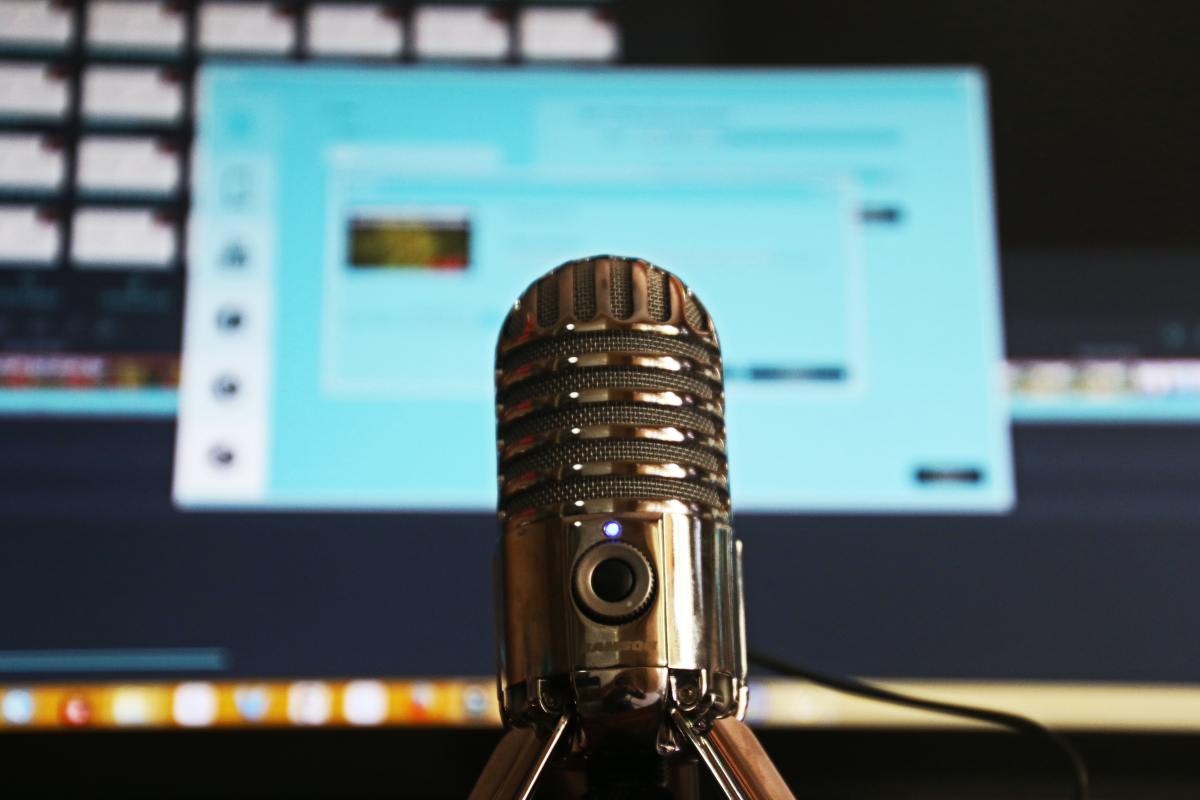
There are roughly 4 million active podcasts and over 70 million individual episodes sitting in audio files right now, according to Podcast Index. Almost none of that content is searchable by AI agents. Radar just built the bridge, and the businesses that move first will own a form of search traffic they didn’t even know they were missing.
Why This Matters Right Now
Podcasts have always had a discoverability problem. You can search for a show by name. But you can’t search for what was actually said inside the show. That’s billions of hours of expert opinion, market analysis, and business intelligence locked inside audio files.
Radar, the podcast analytics and infrastructure company, has made it possible for AI agents to search, retrieve, and use podcast content the same way they use web pages. According to Edison Research’s Infinite Dial 2025 report, 135 million Americans listen to podcasts monthly. That audience generates content that, until now, existed in a search dead zone.
The timing isn’t accidental. AI agents are multiplying fast. According to Salesforce, 80% of enterprise AI deployments in 2025 included at least one autonomous agent. These agents need data. They need sources. And they’ve been working with a fraction of available information because audio content wasn’t indexed.
Radar’s move changes the math.
The Real Play Here Isn’t What You Think
Most podcasters are going to celebrate this as a discovery win. More people will find their show. More downloads. More listeners. That’s the obvious take, and it’s mostly right.
But here’s what I think actually matters: your podcast just became a data asset.
AI agents don’t just find content. They cite it, summarize it, and use it to answer questions for thousands of users at once. When an AI agent gets asked “what are the best strategies for reducing manufacturing overhead,” it pulls from indexed sources. If your 12 episodes about supply chain cost management are now searchable and structured, your content starts showing up in AI responses. That’s not SEO. That’s something bigger. That’s your expertise becoming a permanent answer in the AI layer of the internet.
Rich people build assets. Poor people build audiences. Those aren’t the same thing.
An audience disappears when the algorithm changes or the platform dies. An asset keeps working. If your podcast content becomes a cited source inside AI systems, it compounds. Every new episode you record adds to a body of indexed, searchable, AI-usable knowledge that your competitors haven’t even thought about yet.
According to Spotify’s Creator Economy Report, podcasters who distributed their content in written formats earned 3.4 times more in sponsorship revenue than creators who stayed in audio alone. That was before AI agents started pulling indexed audio. The gap is going to widen fast.
The businesses that win here are the ones that start treating podcast production like content infrastructure, not just a marketing channel. That means consistent episode output, structured topics, and clear naming so AI systems can categorize your content accurately.
If you’re managing advertising budgets and content spend across multiple channels, a tool like Wallester gives you clean separation between expense categories so you can see exactly what your podcast content costs versus what it earns.
What I Would Do Right Now
If you have a podcast, even a small one, here’s what I’d focus on immediately.
First, get your back catalog transcribed and published on your episode pages. Radar’s indexing works with structured text. Full transcripts let AI agents read, cite, and point users back to you. This turns 50 old episodes into 50 new search assets overnight.
Second, pick your topic territory and own it hard. AI systems reward specificity. A podcast about “business” competes with everything. A podcast about “cash flow strategies for service businesses under $5 million in revenue” is much easier for an AI agent to categorize and use when someone asks a specific question.
Third, rewrite your episode titles to do real work. Instead of “Episode 47: Interview with John,” use “How One Agency Cut Payroll Costs 22% Without Laying Off Staff.” That title tells an AI agent exactly what the episode covers and who it serves.
Fourth, configure your RSS feed properly. Reach out to Radar directly and confirm your feed has complete metadata. Missing fields, inconsistent naming, or broken tags will get your content skipped during indexing. This takes one hour to fix and most podcasters never bother.
If you’re building a content team to support a serious podcast operation, Gusto handles payroll and contractor payments cleanly, which matters once you’re paying editors, producers, or writers on a recurring schedule.
The window to be an early mover here is open right now. It won’t stay open long. The creators and businesses who index their content first will have compounding authority inside AI systems that latecomers simply can’t buy their way into.
The Bottom Line
Radar just turned podcasts into structured knowledge that AI agents can actually use. Most creators will celebrate the discovery angle and miss the asset angle entirely. Your podcast isn’t a marketing tool. It’s a body of indexed expertise that now works for you inside every AI system that answers questions in your industry. The creators who understand this in 2026 will build a compounding advantage that pure-audio thinkers cannot catch up to.
Frequently Asked Questions
What does it mean for podcasts to be searchable by AI agents?
AI agents can now find, read, and cite specific information from podcast episodes the same way they use web articles. Radar’s indexing converts audio content into structured data that AI systems can search and retrieve. This means your spoken expertise can show up in AI-generated answers across multiple platforms and tools.
Does Radar work with all podcast hosting platforms?
Radar works primarily through RSS feeds and integrates with major podcast hosts. If your show has a standard RSS feed with complete metadata, Radar can index it. Confirm your feed has no missing fields or broken tags before submitting, since incomplete metadata is the most common reason content gets skipped.
How does making a podcast searchable by AI agents affect revenue?
When AI agents cite your content in answers, users see your name and brand, often with a link back to your episode. According to Spotify’s Creator Economy Report, creators who publish in structured formats beyond audio earn significantly more in sponsorship and licensing deals. Being findable by AI agents adds a new authority layer on top of standard download numbers.
Should someone start a podcast now just to take advantage of this?
Only if you’re ready to be consistent and specific about a topic you actually know well. AI systems reward depth and consistency over raw volume. Ten focused episodes on one narrow subject will outperform 50 scattered topics every time. Start narrow and go deep before you think about going wide.
What is the biggest mistake businesses make with podcast content right now?
Treating it like a broadcasting play instead of an indexing play. Most businesses track downloads and listener counts. The smarter move in 2026 is to focus on transcript quality, metadata completeness, and topic specificity so AI agents can find and use the content reliably. Downloads are vanity. Citations are assets.