OpenAI Lockdown Mode Takes On a $10.5 Trillion AI Threat
“`html
OpenAI Lockdown Mode Takes On a $10.5 Trillion AI Threat
Prompt injection attacks are now the number one documented threat to AI systems, according to OWASP. OpenAI just launched Lockdown Mode to stop bad actors from hijacking your AI agents through poisoned documents and malicious web content. The average data breach already costs $4.88 million, according to IBM’s 2024 Cost of a Data Breach Report. If any part of your financial life touches an AI tool, this story is about your money.
The Threat Nobody Is Talking About
Most people think AI security means stopping a chatbot from saying something offensive. That’s the wrong frame entirely.
The real risk in 2026 is agentic AI. These are AI systems that read your emails, browse the web, review documents, and in some cases execute financial transactions on your behalf. They have more access to your financial life than your bank does. And most people have never thought once about securing them.
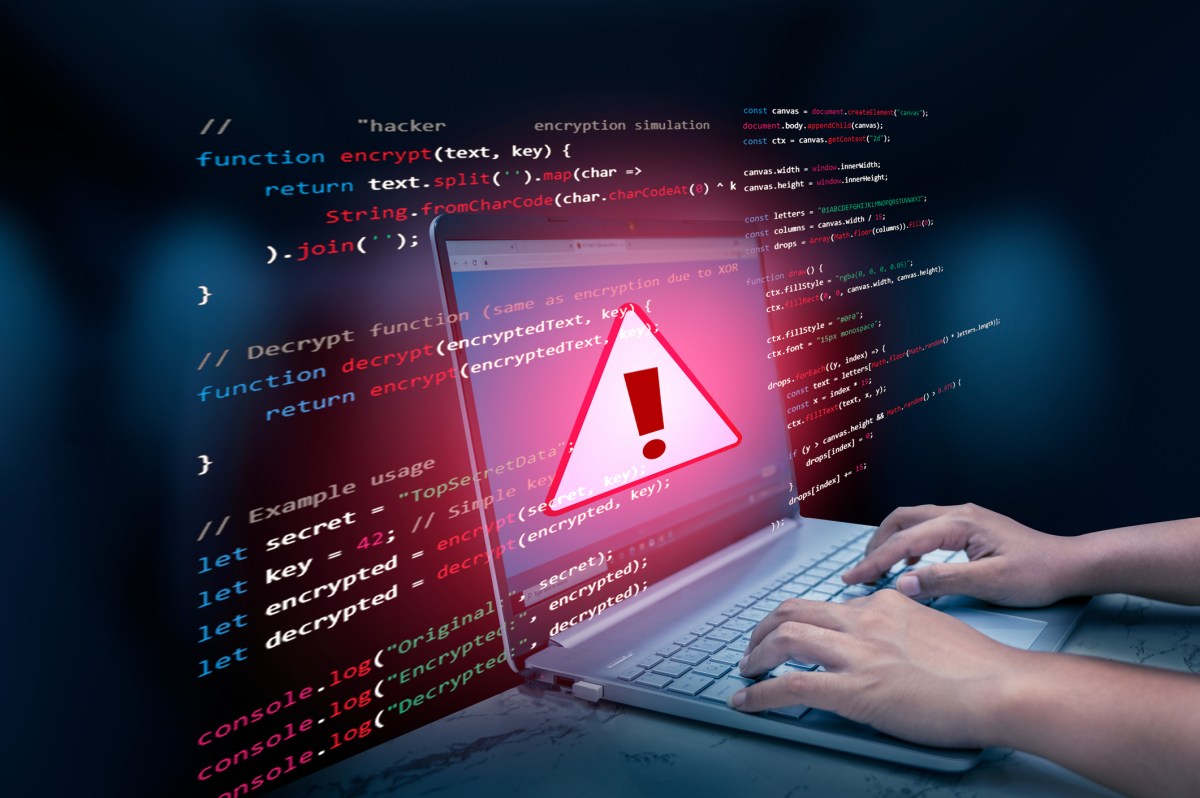
Prompt injection is when an attacker hides commands inside content your AI agent reads. A malicious PDF. A poisoned invoice. A webpage built to manipulate. Your AI reads that content and follows the hidden instructions instead of yours. It might forward your credentials to a stranger. It might approve a fraudulent transfer. You wouldn’t know until the damage was done.
OWASP placed prompt injection at the top of its Top 10 for LLM Applications list. This isn’t a fringe concern from academics. It’s the most documented attack vector for the AI tools that millions of people now use daily. According to Cybersecurity Ventures, AI-powered cybercrime will cost the global economy $10.5 trillion annually by 2025, a figure that keeps climbing as AI agents gain access to real financial systems.
OpenAI’s Lockdown Mode addresses this directly. When activated, it restricts what external content can influence your AI agent’s behavior. It puts a hard wall between your commands and whatever a bad actor tries to inject through the open web or a corrupted file.
What the Rich Do That Most People Don’t
I’ve watched people lose money to scams they thought were too simple to fall for. A fake invoice here. A phishing email there. AI-powered injection attacks are those same scams running at machine speed, with zero human effort required on the attacker’s side.
Here’s the mindset gap I see constantly. Most people assume that because they aren’t a Fortune 500 company, attackers won’t bother with them. That thinking is exactly backwards. Individual investors, freelancers, and middle-income households using AI agents for budgeting or tax prep are softer targets than corporations with dedicated security teams. You’re the easier mark.
The financially smart move is treating your AI tools the way you treat your brokerage account. You use two factor authentication on your investments. You don’t hand your Social Security number to a random website. Your AI agents need the same discipline because they often sit deeper inside your financial life than your bank does.
The numbers back this up. According to a 2025 report from Deloitte, 67% of financial services firms now use AI agents for customer service and operational tasks. That number has spread rapidly into personal finance apps, tax software, and investment platforms. Every one of those touchpoints is a potential entry point for a prompt injection attack if the underlying model isn’t protected.
I’ll give you a personal example of where this creates real risk. When I’m comparing loan options and I’ve asked an AI agent to surface rates from different lenders, I don’t just trust what it returns. I verify through SuperMoney loan comparison to confirm the numbers haven’t been manipulated somewhere in the chain. AI agents can be nudged. Independent comparison tools give you a second read that can’t be injected.
What I Would Do Right Now
First, audit every AI tool you use that touches financial data. That means budgeting apps, tax software, investment platforms, and any AI assistant you’ve given access to your email or documents. Ask one question: does this company offer prompt injection protection or something like Lockdown Mode? If they can’t answer that, treat them as a risk to your data.
Second, turn on Lockdown Mode if you’re already using OpenAI products for anything sensitive. It’s available now. There’s no good reason to wait.
Third, monitor your credit actively. Prompt injection attacks that steal credentials often show up first as new accounts or hard inquiries you never authorized. I’d recommend setting up IdentityIQ credit monitoring so you get real time alerts if something suspicious hits your credit file. Catching unauthorized activity fast is the difference between a fixable situation and years of financial cleanup.
Fourth, assume your AI agents will be targeted. Not might be. Will be. Build that into how you use them. Don’t give any AI agent access to accounts it doesn’t need to touch. Treat the principle of least privilege like a financial rule, not just an IT concept.
Fifth, watch which AI companies are moving fastest on security features. OpenAI isn’t the only one building protections into agent frameworks. The companies that prioritize this now are the ones worth trusting with your financial data long term. The ones dragging their feet are risks you don’t have to take.
The Bottom Line
OpenAI’s Lockdown Mode isn’t a bonus feature for enterprise clients. It’s a signal that AI agents are now powerful enough to be worth attacking at scale. The $10.5 trillion cybercrime problem isn’t abstract anymore. It’s hunting for AI systems with access to your accounts. The people who lock down their tools now will still have clean credit and full portfolios when this wave of attacks peaks. Everyone else will be filing fraud reports and wondering how it happened.
Frequently Asked Questions
What is OpenAI Lockdown Mode?
Lockdown Mode is a security feature from OpenAI built to protect AI agents from prompt injection attacks. It restricts the ability of external content to override the instructions you give your AI agent. Activating it creates a hard barrier between your commands and malicious content your agent might encounter in documents, emails, or websites.
What is a prompt injection attack?
A prompt injection attack happens when an attacker hides instructions inside content your AI agent reads, such as a document, webpage, or email. The AI follows the hidden instructions instead of yours, which can result in data theft, unauthorized transactions, or exposed credentials. OWASP lists it as the top security risk for AI applications.
Who is most at risk from prompt injection attacks?
Anyone using an AI agent with access to financial accounts, personal documents, or email is at risk. Individuals and small businesses are often more exposed than large enterprises because they have fewer security safeguards in place. If your AI tools can read your files or browse the web on your behalf, you’re a target.
Does OpenAI Lockdown Mode protect all my data?
Lockdown Mode significantly reduces the risk of prompt injection attacks, but no single feature eliminates all risk. Pair it with strong account hygiene, limited AI agent permissions, and active credit monitoring for the most protection. Think of it as one important layer in a broader approach to financial security.
How does prompt injection affect people using AI for personal finance?
If you use AI tools to manage budgets, research loans, file taxes, or review investments, your agent likely has access to sensitive financial data. A successful prompt injection attack on those tools could expose your banking details, credit information, or identity. Enabling security features like Lockdown Mode and monitoring your accounts regularly are the most direct steps you can take to reduce that risk right now.
“`
Get stories like this in your inbox. Daily.
Free. No spam. The AI, tech, and finance stories that move money.