Oil Surges 10%, Gas Hits $4 and Your Wallet Is Paying
“`html
Oil Surges 10%, Gas Hits $4 and Your Wallet Is Paying
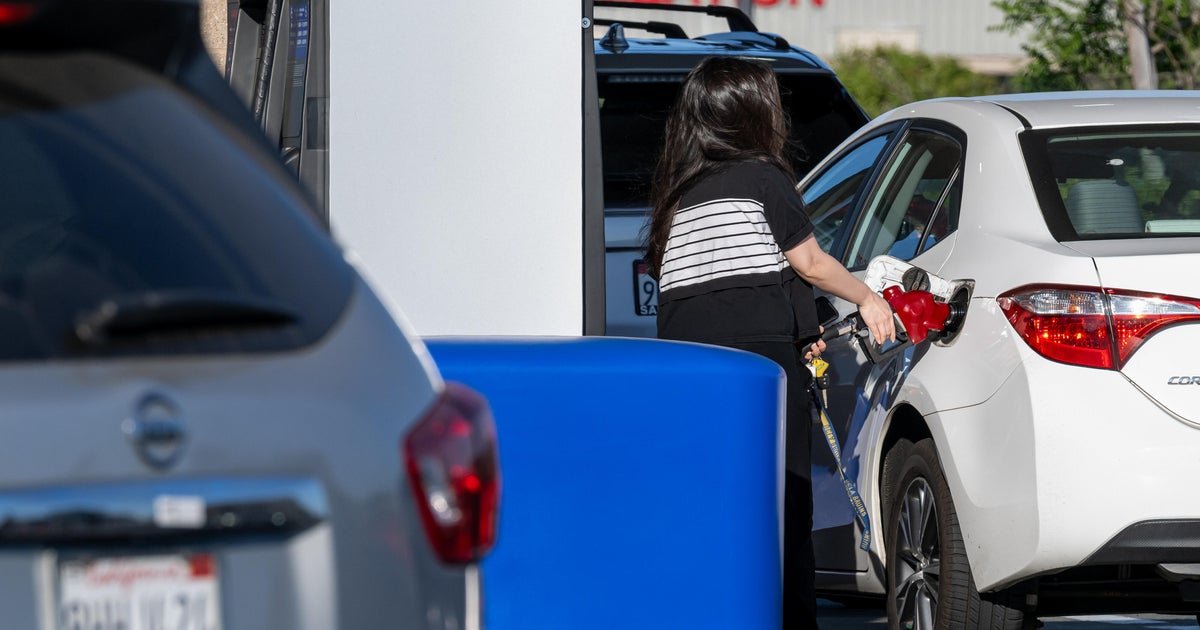
Gas crossed $4 per gallon nationwide for the first time since 2022, oil jumped more than 10% in a single day, and mortgage rates hit their highest point since September. This isn’t a slow burn. This is a financial gut punch happening in real time, and most people are completely unprepared for it.
What’s Actually Happening Right Now
April 2026 is shaping up to be one of the most volatile months in recent financial memory. The Iran conflict lit a fire under energy markets. According to major financial networks, U.S. oil prices surged over 10% on Thursday alone after President Trump vowed to hit Iran “extremely hard” in the coming weeks. Gas prices exceeded $4 per gallon nationwide, according to the same reporting, driven directly by those geopolitical tensions.
It didn’t stop there. Trump signed an executive order on April 2 imposing 100% tariffs on select pharmaceuticals, according to major news outlets. That same day, JPMorgan’s CEO publicly warned that the Iran conflict could reignite inflation and keep Federal Reserve interest rates elevated for longer than markets expected. Mortgage rates climbed to their highest level since September, according to financial reporting from that week. Fuel surcharges from shipping companies hit what industry insiders called “off the charts” near-record levels, according to reports from April 1.
This is a lot happening at once. And most Americans are watching it unfold like it has nothing to do with them. It has everything to do with them.
The Real Story Nobody Wants to Tell You
Here’s my contrarian take: this isn’t chaos. This is a transfer of wealth happening in plain sight.
When oil spikes 10% in a day, energy companies win. When gas hits $4 a gallon, refiners and commodity traders win. When mortgage rates peak, banks with adjustable rate products and institutional landlords win. The people who lose are the ones sitting in cash, carrying consumer debt, and watching their purchasing power evaporate while they wait for things to “calm down.”
The Dow Jones closing up 1,000 points the moment Trump signaled a possible de-escalation in the Iran conflict, according to major financial networks, tells you everything you need to know. Markets don’t care about your grocery bill. They care about uncertainty. The second uncertainty drops even slightly, money floods back in. The people positioned before that flood happened made money. Everyone else just watched.
Now look at the corporate moves. Oracle laid off thousands of workers as part of a strategic shift toward AI investments, according to reporting from April 2. Eli Lilly signed a $2.8 billion AI-powered drug discovery deal, according to reports from March 30. These aren’t isolated events. This is capital reallocating at massive scale. Companies are cutting human costs and doubling down on machines. If you work in a sector that hasn’t had this conversation yet, that conversation is coming.
The 100% pharma tariffs are a wild card that I think most analysts are underpricing. According to major news coverage, these tariffs could seriously disrupt pharmaceutical supply chains. Combine that with fuel surcharges already off the charts, and you’ve got a cost spiral that hits consumers from two directions at once: higher prices at the pump and potentially higher prices at the pharmacy.
The people with assets win in this environment. The people with debt and no plan lose. That’s been true in every inflationary cycle in modern history, and 2026 is not going to be the exception.
If you’re carrying high interest debt right now, that debt is costing you more than it was six months ago, and it’s likely to keep costing more if JPMorgan’s inflation warning plays out correctly. I’d go to SuperMoney loan comparison right now and find out if there’s a lower rate option available to you. In an environment where the Fed isn’t cutting, every basis point matters.
What This Means for You
Let me be direct about what I would do right now if I were starting from scratch.
First, I would not panic sell anything. The Dow swung 1,000 points on a single comment from Trump, according to financial reporting. Emotional decisions made during that kind of volatility are almost always wrong. Markets overshoot in both directions. That’s not wisdom, that’s just math.
Second, I would look hard at my energy exposure. Gas at $4 a gallon is already hurting budgets. If oil stays elevated, utilities, transportation costs, and everyday goods all go up with it. Budget accordingly. Don’t assume this is temporary. It might not be.
Third, the mortgage rate news should stop anyone who is fence-sitting on a refinance or a home purchase. Rates are at their highest since September, according to recent reporting. If you were waiting for rates to drop, the Fed isn’t giving you that signal anytime soon, especially with JPMorgan warning about prolonged elevated rates. Make your decision based on today’s numbers, not on hopes about tomorrow’s rates.
Fourth, the Oracle layoffs and the Eli Lilly AI deal tell a clear story about where corporate money is going. If you’re building skills right now, AI-adjacent skills are where the demand is heading. That’s not speculation. That’s companies putting billions of dollars behind a single direction.
Fifth, and this one gets overlooked in financial chaos, geopolitical volatility is exactly when identity theft and financial fraud spike. People are distracted. Scammers know it. I’d set up IdentityIQ credit monitoring right now so you’ve got eyes on your credit file while markets are moving fast and attention is scattered.
The window to act is now, not after things settle. Things settling is when the opportunity is already gone.
The Bottom Line
Gas at $4, oil up 10%, mortgage rates at a multi-month high, a war affecting global shipping, and two major corporations pouring billions into AI while cutting thousands of jobs. This is the financial environment of April 2026. The people who treat this as noise will fall behind. The people who treat it as information will make moves. I know which group I want to be in. You should decide which group you want to be in too.
Frequently Asked Questions
Why did oil prices surge over 10% in one day?
According to major financial networks, U.S. oil prices surged over 10% on Thursday after President Trump made statements about hitting Iran “extremely hard.” Geopolitical conflict in the Middle East directly affects global oil supply expectations, which drives prices up fast.
How do rising gas prices affect the broader finance picture?
Gas prices above $4 per gallon increase transportation costs across almost every industry, which pushes prices higher for consumers on goods and services. According to recent reporting, fuel surcharges from shipping companies already hit near-record levels in early April 2026, compounding the pressure.
What do Trump’s pharma tariffs mean for everyday people?
The 100% tariffs on select pharmaceuticals signed on April 2, according to major news outlets, could disrupt supply chains and push medication prices higher. Combined with already elevated inflation pressures, this could hit household budgets from multiple directions simultaneously.
Should I be worried about mortgage rates right now?
Mortgage rates hitting their highest level since September, according to recent financial reporting, means borrowing is more expensive than it was just months ago. JPMorgan’s CEO warned that the Iran conflict could keep inflation elevated, which means the Fed may not cut rates as soon as many people hoped.
Why are companies like Oracle laying off workers while investing in AI?
Oracle laid off thousands of workers to reallocate resources toward AI infrastructure, according to reporting from April 2. The logic is simple: AI can do certain tasks at a fraction of the human cost, and companies are betting billions that this shift pays off faster than keeping large traditional workforces.
“`
Get stories like this in your inbox. Daily.
Free. No spam. The AI, tech, and finance stories that move money.