Nilekani Exits Fundamentum GP Role as $200M Fund III Launches
Nilekani Exits Fundamentum GP Role as $200M Fund III Launches
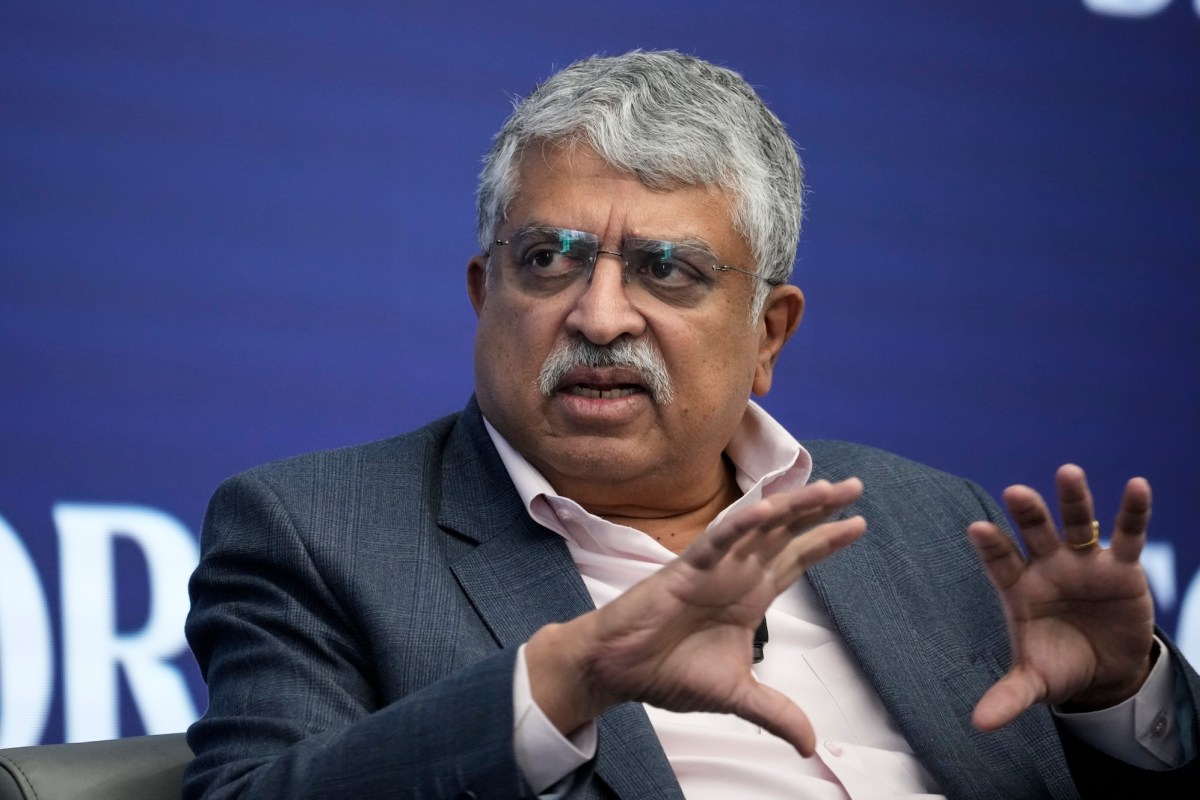
Nandan Nilekani is stepping back from his general partner role at Fundamentum Partnership just as the fund announces its biggest raise yet: $200 million for Fund III. This isn’t a quiet exit. It’s a signal about where Indian venture capital is heading and who gets to sit at the table.
What Just Happened
Fundamentum Partnership, the growth stage VC firm Nilekani cofounded with Sanjeev Aggarwal in 2017, just announced its third fund targeting $200 million. That’s up from roughly $150 million for Fund II, according to The Economic Times. But the headline buried in the announcement is that Nilekani, one of India’s most recognizable tech figures, is stepping away from his GP responsibilities.
Nilekani built Aadhaar, the biometric identity system that now covers more than 1.4 billion Indians, according to the Unique Identification Authority of India. He was a founding partner at Infosys, which today trades at over $70 billion in public market value. When someone with that resume quietly reduces their involvement in a fund they helped build, it’s worth paying attention.
The official reason points to governance concerns given Nilekani’s many other board and advisory roles across Indian tech and policy. But the real story is what this transition says about where Fundamentum goes from here.
The Contrarian Read Nobody Is Talking About
Here’s what I see. Most people are treating this as a founder stepping back. I see it as a fund graduating.
Fundamentum’s first fund was roughly $100 million. Fund II came in around $150 million. Now Fund III is targeting $200 million. That’s a 100% increase in assets under management in less than eight years, according to fund filings and reports from Entrackr. That trajectory doesn’t happen by accident. It happens because limited partners are doubling down.
When a founder steps back from a GP role, it usually means one of two things. Either the fund is struggling and they’re distancing themselves. Or the fund has reached a level where institutional discipline matters more than founder charisma. Fundamentum looks like the second case.
Sanjeev Aggarwal will now lead day to day operations. Aggarwal was a founding partner at Helion Ventures before Fundamentum. He knows how to run a serious institutional fund. Nilekani shifting to an advisory position isn’t a downgrade for the fund. It’s a sign the fund is professionalizing at scale.
India’s VC market is going through exactly this kind of maturation. According to Bain and Company’s India Private Equity Report, India attracted over $33 billion in private equity and VC investment in 2024. The era of scrappy founder funds is giving way to institutional grade operations with proper governance structures. Fundamentum is positioning itself for that world.
The poor mindset says: “The famous guy left, the fund must be weakening.” The owner mindset says: “The fund is big enough now that it doesn’t need a celebrity general partner. That’s a sign of real institutional strength.”
I’ve watched enough cycles to know which read makes money.
If you’re a founder building in India right now and trying to handle the media and communications side of your raise, tools like InVideo AI let you turn written updates and investor announcements into polished video content without a production team. That matters when institutional funds expect professional presentation at every touchpoint.
What This Means for You
If you’re an operator, builder, or investor watching India, this transition tells you something useful.
First, India’s institutional VC layer is thickening. Fundamentum raising $200 million for Fund III with disciplined governance and a professional management team in place means more capital deployed by people who run tight ships. That means higher bars for portfolio companies and more competition for the best deals.
Second, the growth stage window in India is widening. Fundamentum specifically targets companies that have proven product market fit and need capital to scale. According to data from PitchBook, growth stage deals in India increased 28% between 2023 and 2025. More funds chasing growth stage means better terms for founders and more exit paths for early investors.
Third, transitions like this open doors. When a fund shifts leadership and closes a larger fund, they often rebuild deal flow networks. If you’re a founder or advisor with connections in Indian tech, this is the moment to engage with Fundamentum directly.
Here’s what I would do if I were an early stage Indian startup founder right now. I’d stop chasing Seed stage brand names and start building relationships with growth stage funds while they’re actively refreshing their pipelines. Fundamentum with new leadership and $200 million to deploy is exactly the kind of fund worth getting in front of 18 months before you need them.
For operators trying to stay on top of market signals like this one without hiring a full research team, AppSumo has lifetime deals on tools covering news aggregation, competitive intelligence, and market research at a fraction of ongoing subscription costs. Worth checking if you’re bootstrapped but serious about staying ahead.
The Bottom Line
Nandan Nilekani stepping back from Fundamentum’s GP role isn’t the story. The story is that Fundamentum just raised its biggest fund ever without needing him in the seat. That’s what real institutional maturity looks like. India’s growth stage VC market is entering its serious phase. The founders and operators who understand this will position themselves now. Everyone else will read about it in 2027 and wonder how they missed it.
Frequently Asked Questions
Who is Nandan Nilekani and why does his Fundamentum exit matter?
Nandan Nilekani cofounded Infosys and built Aadhaar, India’s biometric identity system covering over 1.4 billion people. His step back from Fundamentum’s GP role matters because it signals a governance shift at a major Indian VC firm. The fund is growing, not retreating.
What is Fundamentum Partnership and what stage does it invest in?
Fundamentum Partnership is an Indian venture capital firm cofounded in 2017 by Nilekani and Sanjeev Aggarwal. It focuses on growth stage companies in India that have demonstrated product market fit and are ready to scale with serious capital behind them.
How big is Fundamentum Fund III compared to earlier funds?
Fund III is targeting $200 million, compared to approximately $100 million for Fund I and around $150 million for Fund II, according to industry reports from Entrackr and The Economic Times. It’s the largest fund the firm has raised to date.
What does this mean for founders seeking Fundamentum investment?
A leadership transition combined with a larger fund often means fresh deal flow priorities and new relationship networks. Founders who engage with Fundamentum now, while the team is establishing its post-transition identity, may find a more open door than they would have found twelve months ago.
Is Nandan Nilekani leaving Indian tech entirely?
No. Nilekani remains one of the most active investors and advisors in the Indian technology sector. Stepping back from Fundamentum’s GP role frees him to focus on his broader investment portfolio and policy work without the governance conflicts that come with running an active fund.
Get stories like this in your inbox. Daily.
Free. No spam. The AI, tech, and finance stories that move money.