Neil Rimer Says the AI Return Cycle Has Begun
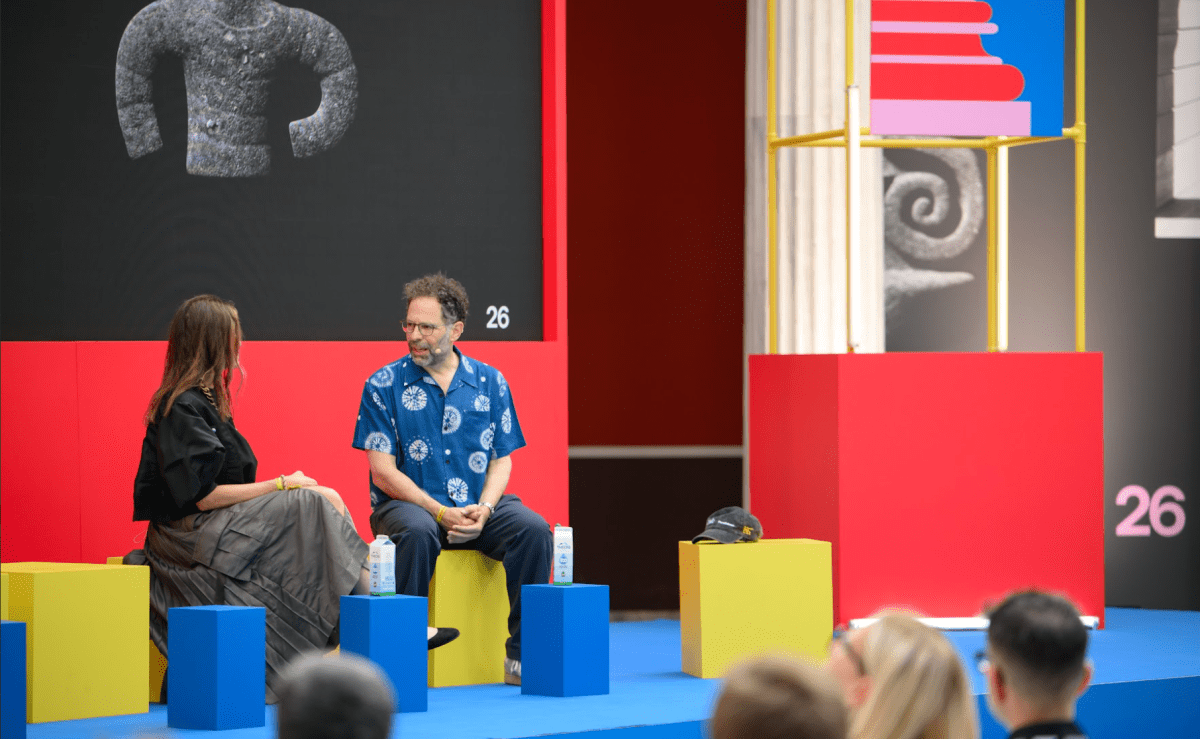
Neil Rimer Says the AI Return Cycle Has Begun
Index Ventures co-founder Neil Rimer is not hedging anymore. He believes the capital that flooded into AI over the last three years is starting to flow back out, and the investors who positioned early are about to see real returns. This is not a prediction. He says the exits are already starting.
What Rimer Actually Said
Rimer, who co-founded Index Ventures in 1996 and helped back early wins like Skype, MySQL, and King, has been cautious about hype cycles his entire career. That makes his recent public statements worth paying attention to.
His argument is simple. The AI investment wave of 2023 and 2024 compressed what would normally be a seven to ten year build cycle into two years for the leading companies. Infrastructure bets are now generating real revenue. Application layer companies are showing retention numbers that traditional SaaS never hit. The money that went in is starting to find a way back out through acquisitions, secondary sales, and early IPO filings.
According to PitchBook, global AI venture investment hit roughly $97 billion in 2024 alone, up from $29 billion in 2022. That is not a rounding error. That is three years of capital compression. And according to CB Insights, AI company acquisitions rose 41% year over year in the first quarter of 2026. The exits are happening. Rimer is reading that signal correctly.
Why Most People Will Miss This Moment
Here is the thing most retail investors and builders get wrong about VC cycles. They watch the headline investment numbers and assume the party is still going. Then they watch the same numbers drop and assume the party is over. They are always reading the wrong clock.
The real signal is not investment in. The real signal is money out. Returns flowing back to LPs mean those same LPs fund the next round of managers. Those managers write new checks. The cycle resets at a higher baseline. Rimer understands this. Most people watching AI news do not.
According to Cambridge Associates, the median top-quartile VC fund takes about six years to begin distributing returns to limited partners. The largest AI-focused funds from 2020 and 2021 are right on schedule. The distribution phase is not coming. It is here.
Poor mindset says “I missed the AI wave.” Rich mindset says “the second wave is funded by the returns from the first one, and I can see exactly where it is going.”
Index Ventures has stakes across AI infrastructure, developer tooling, and enterprise software. Rimer is not guessing about which categories will generate exits. He has visibility into actual pipeline. When he says the money is coming back out, he is describing something he can see in his own portfolio, not a market thesis he is hoping plays out.
The practical implication for builders and small operators is this. When big capital starts getting its money back, it looks for places to redeploy faster than before. The second wave of AI application funding will be faster, more concentrated, and less patient than the first. If you are building something in this space, the window to raise at reasonable terms is right now, before the returning capital chases fewer and fewer quality deals and inflates valuations again.
Content creators and media operators sit in an interesting spot in this cycle. AI video tools have dropped production costs so dramatically that a solo operator can now produce content at a volume that required a full team two years ago. If you are building a media brand or a content business during this return cycle, tools like InVideo AI let you produce polished video content at a fraction of legacy costs. That cost advantage compounds when ad rates and sponsorship revenue follow the capital back into the market.
What I Would Do Right Now
I would not wait to see how this plays out in the headlines. The headlines describe what happened six months ago.
First, I would watch which categories are generating the earliest exits. Infrastructure and developer tooling are leading. Application layer is close behind. Consumer AI is still in the build phase. The money returning from infrastructure will redeploy into applications. That is the next concentration.
Second, I would think hard about what it means to be a builder or operator in a market where returning VC capital is about to chase fewer quality deals. If you have a working product with real users, your is about to increase significantly. Do not give it away cheap because you are impatient.
Third, I would cut my software overhead right now while you still can. The deals that exist today will not exist when the capital wave inflates prices again. Platforms like AppSumo carry lifetime software deals on AI tools that would cost five to ten times as much in a fully funded market. Lock in your stack before the return cycle drives prices back up.
Fourth, I would study Index Ventures’ recent portfolio moves. Rimer does not talk publicly to fill airtime. When he signals something, it is because he wants the market to understand a direction that benefits his portfolio companies. Pay attention to what he is validating, not just what he is saying.
According to Dealroom, European AI companies alone raised over $14 billion in the first half of 2026, a 28% increase over the same period in 2025. The return cycle Rimer is describing is not a US-only story. It is global, and it is accelerating.
The Bottom Line
Neil Rimer has been in venture long enough to know the difference between a cycle turning and a market topping. He is saying the cycle is turning. The capital that built the AI foundation is returning to hands that will deploy it again, faster and with better conviction. You can watch that happen from the sideline or you can position ahead of the second wave. The window is not permanent.
Frequently Asked Questions
Who is Neil Rimer and why does his opinion on AI matter?
Neil Rimer co-founded Index Ventures in 1996 and has backed major technology exits including Skype, MySQL, and King. His firm manages billions across enterprise software, fintech, and AI. When he comments on return cycles, he is drawing on direct portfolio visibility, not public market speculation.
What does “the AI money is coming back out” actually mean?
It means early AI investors are beginning to see returns through acquisitions, secondary sales, and IPO distributions. According to CB Insights, AI acquisitions rose 41% year over year in Q1 2026. That capital, once returned to limited partners, gets redeployed into the next generation of AI companies.
Is it too late to invest in or build an AI company?
Not according to Rimer’s framing. The return cycle he describes signals the beginning of a second investment wave, not the end of the opportunity. Application layer companies and AI-native media businesses are still early relative to the infrastructure layer that is now generating exits.
How does the AI return cycle affect small operators and builders?
When large capital returns and looks for redeployment, valuations on quality deals rise quickly. Small operators who have built working products with real users gain. Locking in low-cost software infrastructure now, before the new wave inflates SaaS pricing, is a practical move worth making immediately.
What sectors within AI are generating the earliest returns?
Infrastructure and developer tooling are leading the exit activity, according to PitchBook data. Enterprise software with measurable ROI is close behind. Consumer AI applications are still largely in the build phase, which means the exit activity there is likely 18 to 24 months out from reaching the same volume.
Get stories like this in your inbox. Daily.
Free. No spam. The AI, tech, and finance stories that move money.