Musk vs Altman Trial Reveals Explosive Hidden Evidence
“`html
Musk vs Altman Trial Reveals Explosive Hidden Evidence
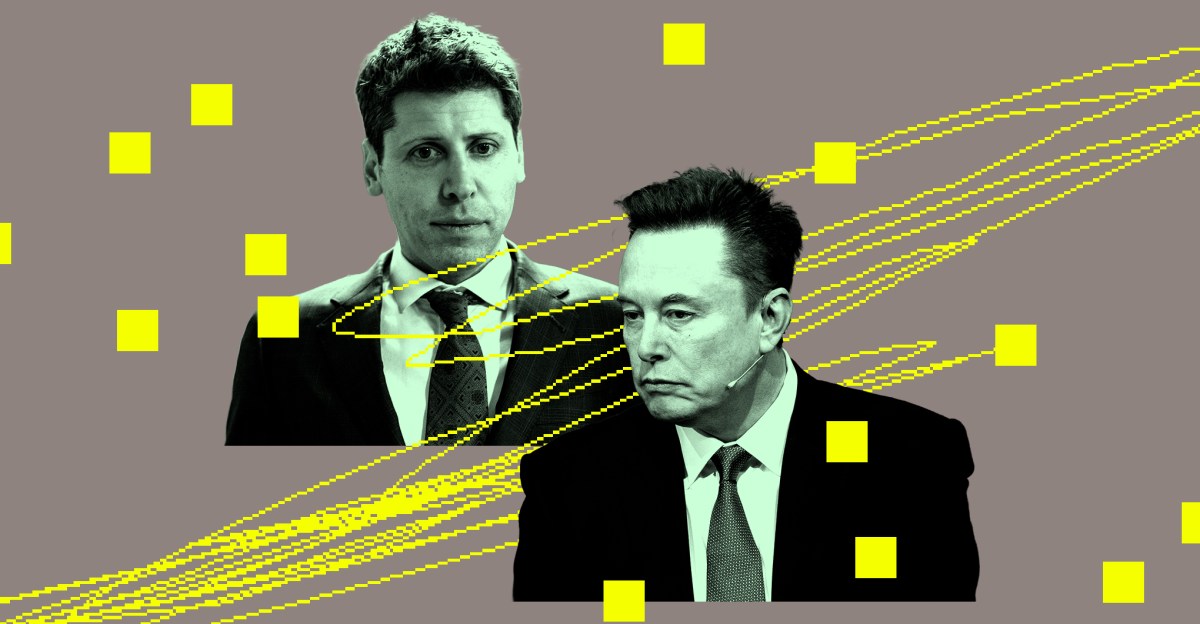
The Musk v. Altman trial started April 27, 2026, in Oakland, and the evidence coming out is wild. We’re talking Burning Man texts, a diary entry with “$1B” scrawled in it, and emails from 2015 that could prove Elon Musk built OpenAI from the ground up. This isn’t just a lawsuit. It’s a power struggle worth billions.
What’s Actually Happening Right Now
Federal court in Oakland, California is officially the hottest seat in tech. Judge Yvonne Gonzales Rogers is presiding over Musk v. Altman, and nine Bay Area jurors were seated on April 27, 2026, according to court reporters covering the trial. The judge made one thing clear from day one: this case hinges on disputed facts, not technical expertise.
Musk’s core claim is straightforward. He says Sam Altman and Greg Brockman betrayed the nonprofit mission he helped found in 2015. They took a charity built to benefit humanity and turned it into the world’s most valuable AI startup, according to OpenAI’s own corporate filings. Altman fires back that Musk only filed this suit to slow down a competitor to his own AI company, xAI.
Both men have something to lose here. And the evidence being rolled out in court is making sure of that.
The Evidence Is More Damaging Than Anyone Reported
Here’s where it gets interesting. Hundreds of court filings dropped over the six months before trial, and most of the media barely touched them, according to legal observers tracking the case. I read through what’s been made public, and I think people are sleeping on how serious this evidence is.
Start with the 2015 and 2016 emails. These documents, which predate the official “OpenAI” name, show Musk personally drafting the founding mission statement. He wasn’t just a donor. He was an architect. That matters because his legal team is arguing he had a binding agreement, a promise, that OpenAI would stay nonprofit and open. If those emails hold up, Altman’s defense gets a lot harder.
Then there’s the Brockman diary. One entry contains a “$1B” note that Musk’s legal team says is central to proving financial motives behind the nonprofit conversion. I won’t pretend I know exactly what that entry means yet. But a handwritten billion dollar note in the co-founder’s diary tends to raise eyebrows in a courtroom.
Now for the stranger stuff. Court filings reference texts sent during Burning Man in 2017. Those texts mention rhino ketamine, which has no obvious connection to AI governance, but they were submitted as exhibits anyway, according to filings reviewed by legal journalists covering the case. There are also texts between Mark Zuckerberg and Musk, and communications from Shivon Zilis, an OpenAI board member who is also the mother of four of Musk’s children. Zilis allegedly shared internal information. That’s a conflict of interest that could embarrass both sides of this fight.
On the funding side, Nvidia CEO Jensen Huang provided critical computing power in OpenAI’s early days, according to documents entered into evidence. Altman also used his Y Combinator network to raise money, which raises its own conflict of interest questions. These aren’t minor footnotes. They shape the entire story of how OpenAI got built and who it was really built for.
I’ll be blunt. Most people covering this trial are focused on the celebrity drama. The Burning Man texts. The Zuckerberg messages. But the real story is in the corporate documents and the emails from 2015. That’s where the legal case actually lives or dies.
If you’re a founder, a nonprofit board member, or anyone who has ever signed a mission statement and then watched the company pivot, you should be paying close attention. This trial is going to set a precedent for how seriously courts treat founding documents and oral promises between co-founders.
If you want to follow this story as it develops and create your own video breakdowns of the evidence, I’ve been using InVideo AI video creation to turn long court documents into short, watchable explainers. It saves hours and keeps the audience engaged.
What This Means for You
Let me tell you what I’d actually do with this information if I were a founder, an investor, or just someone who uses AI tools every day.
First, if you run a company with a stated mission, get a lawyer to look at your founding documents today. This trial is showing the world that a mission statement written in 2015 can come back with legal teeth in 2026. That’s eleven years of exposure. Don’t assume a pivot is clean just because your board approved it.
Second, if you’re an investor in AI startups, watch this verdict closely. Legal experts note that this case could reshape how courts treat nonprofit to for-profit conversions across the board, according to analysis published by legal scholars following the trial. One verdict could change how billions of dollars in startup capital gets structured going forward.
Third, if you’re a consumer of OpenAI products, ChatGPT or otherwise, understand that the governance questions this trial raises are about you too. The original promise was that this technology would benefit humanity broadly. The trial is asking whether that promise was kept. I think that’s worth caring about beyond the courtroom drama.
Fourth, pay attention to the upcoming testimony. Altman, Brockman, and Ilya Sutskever are all expected to take the stand, according to trial watchers monitoring the case. Each of them has a different version of events. When three co-founders tell three different stories under oath, somebody’s credibility collapses.
For anyone who wants to track all the filings, exhibits, and testimony as they drop, I’d recommend grabbing a good document management tool. AppSumo lifetime software deals often surface legal tech and productivity tools that won’t cost you a monthly subscription just to stay organized through a long trial.
The Bottom Line
Musk and Altman both walked into this trial holding grenades. The evidence cuts both ways, and neither man looks clean. But here’s what I know for certain: whoever loses this case, the AI industry loses its ability to pretend that founder promises don’t matter. Courts are watching. Boards are watching. And for the first time, a jury of nine Bay Area residents is going to decide whether a handshake deal to save humanity was worth keeping.
Frequently Asked Questions
When did the Musk v. Altman trial begin?
The trial began on Monday, April 27, 2026, in federal court in Oakland, California, before Judge Yvonne Gonzales Rogers, according to court records. Nine jurors from the greater Bay Area were seated the same day.
What is Elon Musk’s main claim in the Musk v. Altman case?
Musk claims that Sam Altman and Greg Brockman breached the nonprofit founding mission of OpenAI for personal financial gain. He argues that the shift from nonprofit to for-profit structure violated the original agreement he helped create in 2015.
What key evidence has been revealed so far in the trial?
Evidence includes 2015 and 2016 emails showing Musk drafting OpenAI’s founding mission, Brockman’s diary with a “$1B” entry, Burning Man texts referencing ketamine, Zuckerberg messages to Musk, and communications from Shivon Zilis, according to court filings reviewed by legal journalists.
Who is expected to testify in the Musk v. Altman trial?
Sam Altman, Greg Brockman, and Ilya Sutskever are all expected to testify, according to trial watchers monitoring the proceedings. Their accounts of OpenAI’s founding and mission are central to both sides of the case.
Why does the Musk v. Altman trial matter beyond the two men involved?
Legal experts say the outcome could set a precedent for how courts treat nonprofit to for-profit conversions and founder agreements across the tech industry, according to legal scholars following the case. It puts the entire model of mission-driven startups under a legal microscope.
“`
Get stories like this in your inbox. Daily.
Free. No spam. The AI, tech, and finance stories that move money.