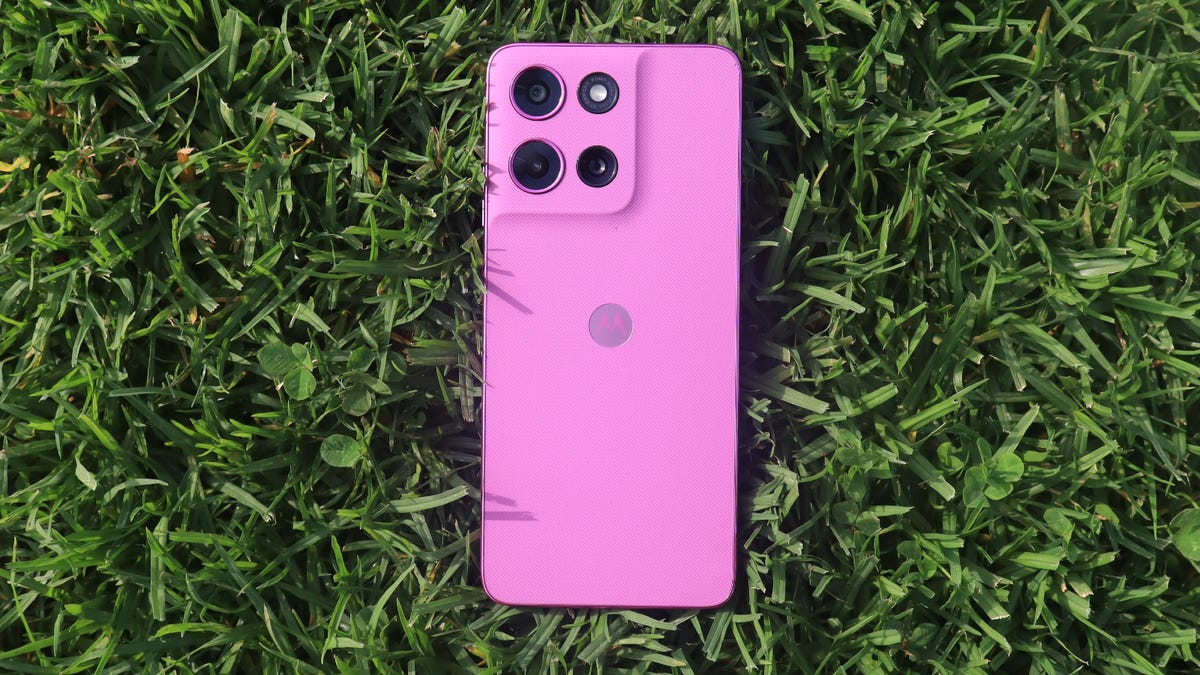
Moto G 2026 Review: Is This $200 Phone Worth It?
“`html
Moto G 2026 Review: Is This $200 Phone Worth It?
For $200, the Moto G (2026) does something most phones at this price can’t: it lasts two full days on a single charge. But here’s what nobody wants to say out loud. You’re paying $200 for a chip that Motorola already used in 2025. That matters more than you think.
Why This Phone Launch Is Getting So Much Attention
The budget smartphone war is getting brutal in 2026. According to Counterpoint Research, Motorola holds roughly 5 to 7 percent of the US budget phone market as of Q1 2026. That’s not a dominant position. It’s a fight for survival against Samsung, Google, and newer players like Nothing.
Motorola’s answer to the pressure is the refreshed Moto G lineup, launched in early 2026. The base Moto G comes in at $200. Its bigger sibling, the Moto G Power (2026), sits at $299. Both phones run the MediaTek Dimensity 6300 chipset, a 6nm processor, paired with Android 16 out of the box.
The problem, according to multiple reviews published between January and March 2026, is that the Dimensity 6300 is not new. It’s the same chip from the 2025 models. Motorola made tweaks to the battery and camera, but the core performance engine didn’t change. In a market where rivals are pushing harder every quarter, that’s a risky bet.
The Contrarian Take: Boring Can Be Smart
I know what the tech crowd is saying. “Same chip, skip it.” I disagree. Let me tell you why boring works.
Robert Kiyosaki talks about assets versus liabilities. Most people treat their phone like a status symbol, a liability dressed up as a tool. The smart move is to buy what does the job at the lowest cost. The Moto G (2026) does the job.
Yes, the performance trails rivals. According to benchmark testing cited by reviewers, the Moto G (2026) scores 793 on Geekbench 6 single-core. Compare that to the Nothing CMF Phone 2 Pro at 1,013 single-core, the Samsung A16 5G at 965, and the Pixel 9a at a jaw-dropping 1,707. On paper, the Moto G loses badly.
But here’s what those numbers don’t show you. The Moto G (2026) runs Honkai: Star Rail at a steady 30 frames per second on medium settings, according to hands-on testing. It handles texts, calls, social media, and streaming without breaking a sweat. For the person who isn’t editing 4K video on their commute, this phone is more than enough.
The battery is where Motorola actually wins. According to testing data, the Moto G (2026) packs a 5,200mAh battery and scores over 13 hours in active use tests. Real-world users are getting two full days of light use from a single charge. I can’t say that about the Pixel 9a, which costs nearly twice as much.
Now, I do want to flag the Moto G Power (2026) for anyone considering a step up. At $299, you get 8GB of RAM versus 4GB on the base model, a 6.8-inch 120Hz LCD screen, a 50MP main camera, and a 32MP front camera. According to benchmark data, the Power scores 800 single-core and 2,146 multi-core on Geekbench 6. That’s a better daily driver, and honestly the $100 upgrade is worth it if you multitask even a little.
The multitasking sluggishness on the base model is real. Reviews consistently flag UI stutters and slow app switching. The 4GB RAM ceiling is a genuine weakness. If you keep five or more apps open at once, you’ll feel it.
One thing I always remind readers: a cheap phone doesn’t mean a safe phone. Budget devices often get slower security updates, and the Moto G (2026) only promises three years of security patches, according to Motorola’s support documentation. Compare that to seven years from Google and Samsung on their premium lines. If you’re buying this phone for a kid or using it for work email, install something like TotalAV antivirus protection on day one. You’re not fully covered just because you bought a new phone.
What This Means For You
Here’s what I would do if I were shopping in the $200 to $300 budget phone range right now.
First, be honest about what you actually use your phone for. If it’s calls, texts, social media, music, and maybe some casual gaming, the base Moto G (2026) at $200 is a smart buy. You’re not leaving much on the table for your real needs.
If you multitask, game more seriously, or want a better camera, spend the extra $100 on the Moto G Power (2026). The jump from 4GB to 8GB RAM alone makes the Power a noticeably smoother phone, according to review comparisons. The 120Hz screen and wireless charging are bonuses.
Second, factor in the software support gap. Three years of security patches sounds okay. It isn’t great. Google gives Pixel 9a buyers seven years. Samsung gives Galaxy A-series buyers seven years. You’re accepting more risk with the Moto G. After year three, your phone is flying without a net. Running a security tool like Norton security suite costs a fraction of a new phone and buys you real peace of mind if you plan to hold this device for four or five years.
Third, don’t chase benchmarks you’ll never feel. The Pixel 9a scores 1,707 on Geekbench 6 single-core, according to benchmark data. That is genuinely impressive. But it also costs significantly more. If you’re not doing tasks that demand that power, you’re paying a premium for numbers that live inside a spec sheet, not inside your actual life.
The Moto G (2026) won’t impress anyone at a dinner party. It will get you through two days without finding a charger. For a lot of people, that trade is worth it.
The Bottom Line
The Moto G (2026) is not the fastest phone at $200. It’s not the most. But it’s reliable, it lasts two days on a charge, and it won’t drain your wallet. Motorola played it safe with a recycled chip, and the market will punish them for that eventually. For now, if your goal is to spend less and stress less about battery life, this phone makes a strong case. The budget phone space will keep getting more competitive. Motorola needs to innovate harder in 2027 or they’ll get squeezed out of a market they used to own.
Frequently Asked Questions
Is the Moto G (2026) worth buying at $200?
Yes, for basic daily use. According to performance testing, it handles social media, streaming, and casual gaming without major issues. The two-day battery life is a genuine advantage at this price point.
How does the Moto G (2026) compare to the Pixel 9a?
The Pixel 9a is significantly faster, scoring 1,707 on Geekbench 6 single-core compared to the Moto G’s 793, according to benchmark data. The Pixel 9a also offers seven years of software support versus three for the Moto G. You pay more for those advantages.
What is the difference between the Moto G (2026) and the Moto G Power (2026)?
The Moto G Power (2026) costs $299 and adds 8GB of RAM, a 120Hz display, a wider camera system, and wireless charging. According to review comparisons, the extra RAM alone makes multitasking noticeably smoother. I’d call it a better daily phone for most people.
How long will the Moto G (2026) receive security updates?
Motorola promises three years of security patches for the Moto G (2026), according to Motorola’s support policy. That’s shorter than the seven years offered by Google and Samsung on competing models. Plan accordingly if you intend to use this phone for several years.
Is the Moto G (2026) good for mobile security?
The phone runs Android 16 and gets three years of patches, which is a decent start. Because the support window is shorter than rivals, adding a dedicated security app is a smart move. Using a tool like TotalAV antivirus protection covers gaps that software updates alone can’t always close.
“`
Get stories like this in your inbox. Daily.
Free. No spam. The AI, tech, and finance stories that move money.