Meta's Facebook AI Creator Tool Changes the Money Game
“`html
Meta’s Facebook AI Creator Tool Changes the Money Game
Meta just rolled out an AI creator assistant on Facebook, and most people are treating it like a fun new toy. It isn’t. The creator economy is on track to hit $480 billion by 2027, according to Goldman Sachs. This tool is about building income streams, not just getting more likes.
Why This Moment Matters
Facebook has 3.27 billion monthly active users, according to Meta’s 2025 annual report. That’s the biggest audience on earth. And until now, most creators on the platform were doing everything manually. Writing posts. Editing videos. Scheduling content. Answering comments.
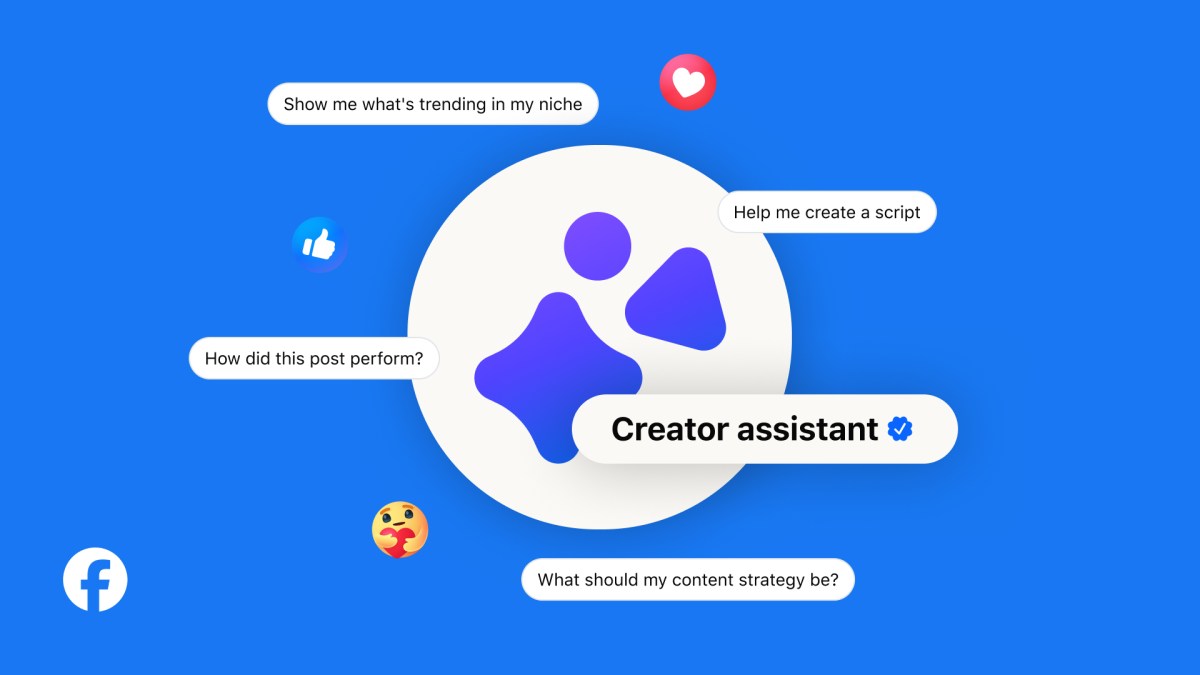
Meta’s new AI creator assistant changes that equation. The tool can draft posts, suggest video scripts, generate captions, and recommend the best times to publish based on your audience data. Meta announced the rollout in early 2026 as part of its broader push to keep creators on Facebook instead of migrating to competitors.
This isn’t happening in a vacuum. TikTok’s ad revenue share for creators hit $1.4 billion in payouts in 2025, according to Influencer Marketing Hub. YouTube paid out over $70 billion to creators and partners in the last three years, according to Alphabet’s earnings reports. Meta is behind, and it knows it. This AI tool is their move to close that gap.
What the Crowd Gets Wrong
Here’s what I keep seeing. Everyone is focused on the content side of this. “Oh great, I can post more.” That’s the employee mindset. Post more, get more likes, maybe earn a little ad revenue. Stay on the hamster wheel forever.
The creator who thinks like a business owner sees something different. This tool doesn’t just save time on content creation. It makes it possible for one person to run what used to take a small team. According to a 2025 HubSpot study, creators who use AI assistance produce 4.3 times more content per week than those who don’t. More content means more monetization touchpoints. More touchpoints means more income.
But here’s where the real money is. Meta’s creator monetization suite now includes in-stream ads, paid subscriptions, virtual gifts, and branded content tools. If you’re using the AI assistant to keep your content calendar full, you can layer multiple revenue streams on top of each other without burning out.
I’ve watched plenty of creators earn six figures on Facebook. Almost none of them are doing it with one revenue stream. They treat their page like a portfolio, not a job.
The financial side of running a creator business trips people up fast. Revenue comes in from five different places. Expenses pile up just as quickly: software, equipment, freelance help. If you’re treating your creator income like a hobby, you’re leaving money on the table and probably paying too much in taxes.
Creators who are serious about the money side should run their business on a proper platform. I’d set up a Wallester business account to separate creator income and expenses by card. When tax time hits, you’ll thank yourself for having clean records instead of digging through personal bank statements at 11pm in April.
According to Statista, only 12% of full-time content creators in the U.S. use dedicated business banking tools. That means 88% are mixing personal and business money. That’s not a content problem. That’s a money problem. And no amount of AI-generated captions will fix it.
What I Would Do Right Now
If I were starting fresh as a Facebook creator in 2026, here’s my actual plan.
First, pick one niche with proven monetization. Finance, health, and business content consistently outperform general lifestyle content in ad revenue per thousand views, according to Creator IQ’s 2025 benchmark report. Pick a lane and stay in it.
Second, use Meta’s AI creator assistant to build a content calendar 90 days out. That’s enough runway to test what works without burning out. The AI handles the drafts. You handle the judgment calls about what actually sounds like you.
Third, turn on every monetization feature Facebook offers. In-stream ads, fan subscriptions, stars. Each one adds a revenue layer. Most creators leave at least one of these turned off because they “haven’t gotten around to it.” That’s money sitting on the floor.
Fourth, the moment your creator income starts feeling like a real business, pay people properly. If you’re hiring a video editor or a part-time social media manager, use Gusto for payroll so you stay compliant and your contractors get paid on time. Messy payroll is how small creator businesses attract legal trouble they can’t afford.
Fifth, treat every 90 days like a performance review. What content earned the most? What flopped? Double down on what works. Cut the rest without sentiment.
The Bottom Line
Meta’s AI creator assistant isn’t handing you a passive income machine. It’s handing you a bigger shovel. Whether you dig a garden or dig a gold mine depends entirely on how you think about the money. The creators who win in 2026 will treat this like a business from day one. The ones who don’t will keep grinding for pocket change and tell everyone the platform “just doesn’t work.”
Frequently Asked Questions
What is Meta’s Facebook AI creator assistant?
It’s a tool built natively into Facebook that helps creators write posts, generate video scripts, and schedule content automatically. Meta rolled it out in 2026 as part of its push to compete with YouTube and TikTok for creator time and attention on the platform.
Can Facebook creators actually make real money with this tool?
The AI creator assistant itself doesn’t pay you. It saves time, which lets you produce more content and activate more of Facebook’s monetization features simultaneously. According to HubSpot’s 2025 creator study, creators using AI tools produce 4.3 times more content per week, which directly increases earning potential across every revenue stream.
Is Facebook’s creator program competitive with YouTube or TikTok in 2026?
Facebook has the largest audience in the world at 3.27 billion monthly active users, according to Meta’s 2025 annual report. YouTube still pays out more per creator on average, but Facebook’s combination of ad revenue, subscriptions, and virtual gifts makes it worth activating for any creator who uses all available features rather than just one.
Do I need a business structure to earn money as a Facebook creator?
Not legally at first, but treat it like a business from day one anyway. That means separating your creator income from personal finances, tracking expenses carefully, and paying any contractors on the books. The IRS doesn’t care whether you called it a hobby.
How does Meta’s AI creator tool compare to other AI writing tools?
Meta’s tool is native to Facebook, so it has direct access to your audience data, post history, and performance metrics. Other AI writing tools are more flexible but lack that context entirely. For Facebook content specifically, the native tool will likely outperform a generic writing assistant working without any data about your audience.
“`
Get stories like this in your inbox. Daily.
Free. No spam. The AI, tech, and finance stories that move money.