Kimi K2 Just Broke the AI Pricing Model
Kimi K2 Just Broke the AI Pricing Model
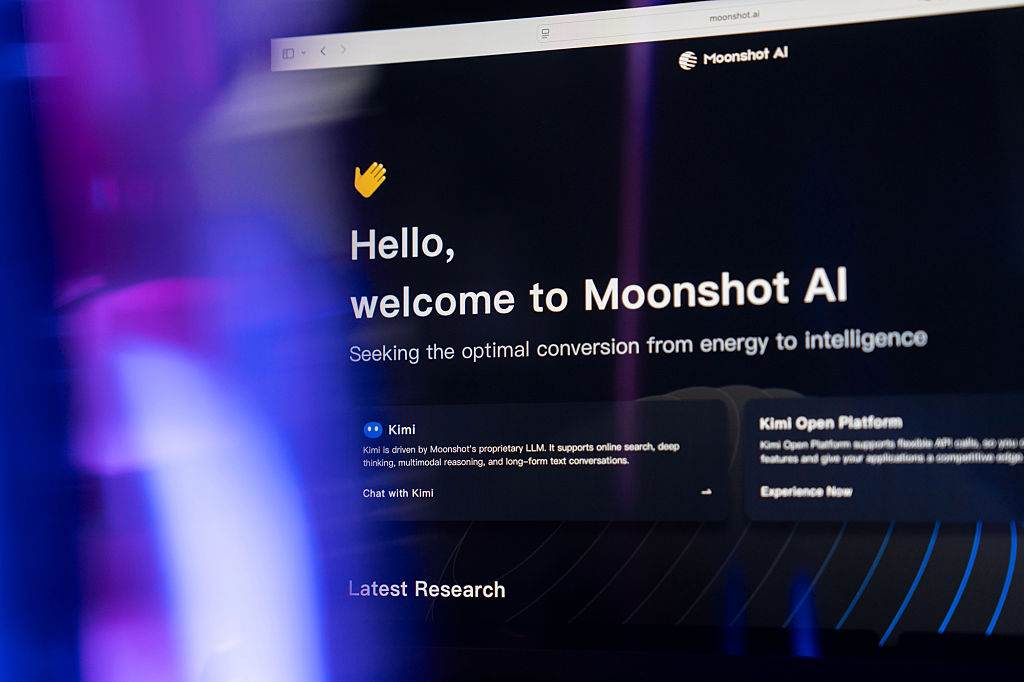
China’s Moonshot AI released Kimi K2 in July 2026, a 1 trillion parameter open-source model that matches GPT-4o on key benchmarks, free for anyone to run. OpenAI is valued at $157 billion. Anthropic at $61 billion. Those numbers just got a lot harder to defend.
Why This Story Matters Right Now
Kimi K2 dropped without much fanfare but landed with serious weight. Moonshot AI, a Beijing-based startup, released the model weights publicly. Developers can download and run it without paying a cent. According to Moonshot AI’s technical report, the model uses a mixture-of-experts architecture with 1 trillion total parameters and 32 billion active at inference time. It scored 65.8% on SWE-bench Verified, a rigorous coding benchmark, placing it in the same tier as paid models from OpenAI and Anthropic.
This is not new territory. DeepSeek pulled the same move in January 2025, wiping nearly $600 billion in Nvidia’s market cap in a single day, according to Bloomberg. Kimi K2 is the next chapter. The difference now is that fewer people are surprised, and the market is still figuring out whether that means the stakes are lower or much higher.
According to Stanford’s AI Index 2025 report, China now produces more peer-reviewed AI research papers annually than the United States. The assumption that American labs would hold a permanent lead was always a bet, not a certainty.
The Real Threat Is to Valuations, Not to You
Most people are asking the wrong question. They want to know if Kimi is better than ChatGPT. That is not the point.
The point is this: the entire US AI sector’s premium pricing rests on a single assumption. Access to frontier AI costs money, and the companies controlling that access will keep earning. OpenAI charges $20 a month for personal use and millions per year for enterprise contracts. Anthropic, Google’s Gemini API, and Microsoft’s Azure AI all operate on the same logic.
Kimi K2 punches a hole in that logic.
When a model performing at GPT-4 level is free to run, enterprise buyers have a credible alternative to use in price negotiations. Startups building on paid APIs will do the math and some will switch. The pricing power that justified those billion-dollar valuations starts to erode.
Most retail investors will do one of two things: panic-sell or pretend nothing changed. Neither works. The smarter question is who actually benefits when AI gets cheap. Users win. Builders win. The companies selling access to the model lose pricing power. That is a massive wealth transfer hiding inside a tech news story.
I’ve seen this before. MySQL and Linux did the same thing to Oracle and Microsoft’s server business twenty years ago. According to McKinsey, open-source software now underlies 96% of the world’s codebases. The commercial players did not disappear, but their margins compressed and their stock multiples reset sharply.
The difference is pace. MySQL took a decade to pressure Oracle. Kimi K2 and DeepSeek are compressing that same cycle into months.
Anyone holding AI model companies at 30 or 40 times revenue is betting that no credible free alternative ever appears. That bet is now officially off the table.
If you’ve borrowed money to chase AI-sector gains, now is a smart time to review your terms. SuperMoney makes it easy to compare loan and refinancing options so you can get ahead of a correction instead of reacting to one.
What This Means for You
Here is what I would actually do.
First, separate your AI bets. Not every AI company faces the same risk. Model companies like OpenAI and Anthropic are most exposed. They sell access to the model itself, and if the model becomes free, their value proposition gets squeezed hard. Infrastructure companies like Nvidia and TSMC are less exposed because running open-source models still requires chips, and a lot of them. Application companies that use AI as an ingredient rather than selling AI as the product are often fine and sometimes better off when AI gets cheaper.
Second, watch enterprise renewal rates. The first real signal that Kimi K2 is hurting revenue will show up in annual reports from companies that resell AI access. When average contract values start slipping at Microsoft, Salesforce, or ServiceNow, the market will move fast. You want to see that data before the headlines do.
Third, use the free model. If you run a business and currently pay for a large language model, Kimi K2 is worth testing this week. A five-person team can now access the same AI capability as a Fortune 500 company at near-zero cost. The owner mindset asks what to build with that advantage. The employee mindset waits for someone else to figure it out first.
Fourth, know your financial baseline. Tech sector swings of 30 to 40 percent in a few weeks are not unusual. If your credit position is shaky going into a volatile stretch, you need to know before it gets worse. IdentityIQ gives you ongoing credit monitoring so you stay informed and nothing catches you off guard when markets move.
The Bottom Line
Kimi K2 is not the last Chinese open-source model this year. It is the second one. Every time a frontier-quality model goes free, the companies charging for frontier-quality models have to answer for it. The answers are getting harder to give. I’m not calling the top on AI stocks. But I am saying the thesis has a serious new crack in it. The money will move. The question is whether you move first or get moved.
Frequently Asked Questions
What is Kimi K2?
Kimi K2 is an open-source AI model released by Moonshot AI, a Chinese startup, in July 2026. It has 1 trillion total parameters and performs at a level comparable to GPT-4o on standard benchmarks, according to Moonshot AI’s technical documentation. Unlike most frontier models, the weights are publicly available and free to use.
Is Kimi K2 really as capable as GPT-4?
On the SWE-bench Verified coding benchmark, Kimi K2 scored 65.8%, which puts it in the same performance tier as leading paid models from OpenAI and Anthropic, according to Moonshot AI. Independent third-party testing has generally confirmed competitive performance, though results vary depending on the task.
How does Kimi K2 affect AI stocks?
Kimi K2 pressures the pricing model that high-valued AI companies depend on. When a comparable model is available for free, enterprise customers gain real negotiating power and some will switch platforms entirely. This does not make AI companies worthless, but it does challenge the premium multiples many trade at today.
Should my business use Kimi K2?
If your business currently pays for access to a large language model, Kimi K2 is worth testing. Performance is competitive and self-hosted use costs effectively nothing beyond compute. The tradeoff is that self-hosting requires technical infrastructure that some small teams may not have ready.
Is China winning the AI race?
China is no longer losing it. According to Stanford’s AI Index 2025 report, China now leads in AI research output by volume. Kimi K2 and DeepSeek both demonstrate that Chinese labs can ship frontier-quality models. The gap that once seemed permanent has closed faster than most experts predicted.
Get stories like this in your inbox. Daily.
Free. No spam. The AI, tech, and finance stories that move money.