Kimi Beats US AI Models on Benchmarks. Here Is the Real Risk
“`html
Kimi Beats US AI Models on Benchmarks. Here Is the Real Risk
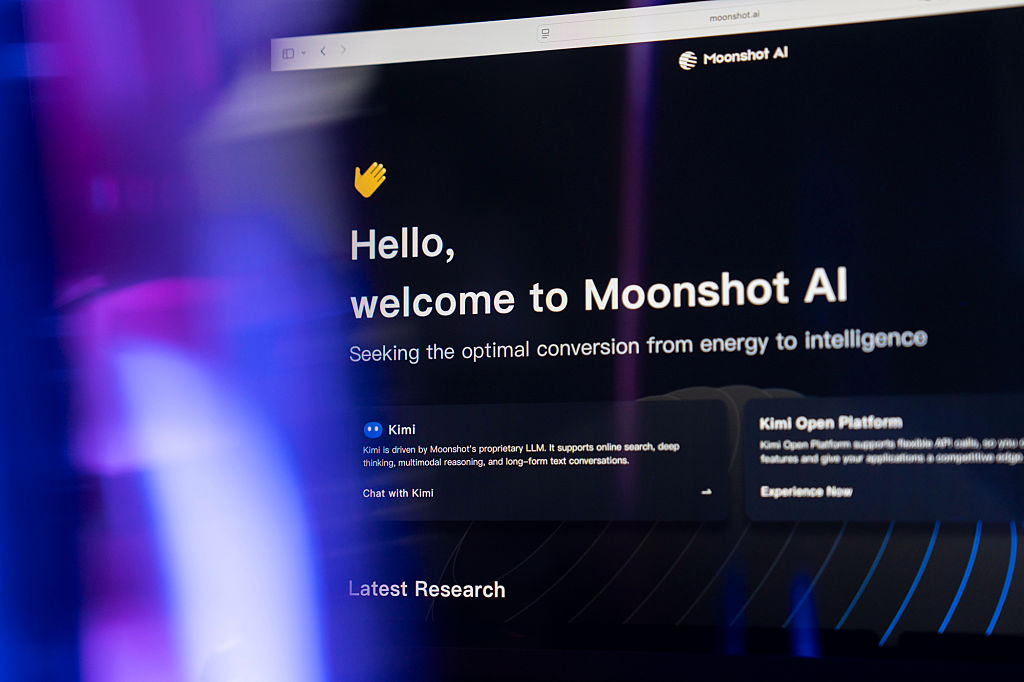
Kimi, built by China’s Moonshot AI, outscored GPT-4o on multiple coding and math benchmarks in 2025 according to independent evaluations on LMSys Chatbot Arena. The model supports a 1 million token context window and costs almost nothing to use. Builders are switching fast. Most of them are not asking the one question that actually matters.
What Is Kimi and Why It Is Getting Attention Now
Moonshot AI launched Kimi in 2023 as a direct answer to ChatGPT. By 2024 the company had raised hundreds of millions in funding from backers including Alibaba, according to Reuters. State linked investment funds were also part of the mix. That last detail is the one most people gloss over.
The model itself is genuinely good. Kimi k2 posted top scores on AIME 2025, a rigorous math competition benchmark, and ranked near the top of HumanEval coding evaluations according to Moonshot AI’s own technical report. Independent testers on Chatbot Arena confirmed the results hold up in real conversations. For a model with free tier access and near zero API costs, those numbers are hard to ignore.
The 1 million token context window is what separates Kimi from most Western alternatives. You can feed it an entire codebase, a year of financial filings, or a full book and it processes all of it in one shot. Most competing models cap at 128,000 to 200,000 tokens. That gap is real and it is driving adoption in research and development teams worldwide.
The Question Nobody Is Asking
Here is my honest take. The benchmarks are real. The context window is genuinely useful. And routing your business data through Kimi is one of the riskier decisions you can make in 2026.
This is not about politics. It is about law. Moonshot AI operates under China’s National Intelligence Law of 2017, which requires Chinese companies to “support, assist, and cooperate” with government intelligence operations on request, according to analysis from the Carnegie Endowment for International Peace. There is no opt-out clause. There is no appeal process. The obligation is unconditional.
When you send proprietary product specs, customer data, or internal financial models through Kimi’s API, you are pushing that data through infrastructure subject to those laws. Your own client contracts may already prohibit this. Your investors almost certainly have not signed off on it. And you have zero legal recourse in a jurisdiction you cannot access.
Compare that reality to OpenAI, Anthropic, or Google. None of those companies are perfect. But they operate under US law, GDPR, and SOC 2 frameworks that create enforceable accountability. You can sue them. You can audit them. You can negotiate data processing agreements with teeth in them.
According to a 2025 survey by the International Association of Privacy Professionals, data residency and sovereignty jumped to the top three concerns for enterprise AI procurement teams for the first time. The builders ignoring this shift are not being bold. They are being careless with other people’s information.
If you create video content and want AI tools that do not create a compliance headache, InVideo AI is worth adding to your stack. It is built on Western infrastructure, handles serious production work, and does not put your workflow data at jurisdictional risk.
The Bigger Picture on Chinese AI
Dismissing Kimi as a propaganda tool is as naive as using it for everything sensitive. The model is genuinely capable. The team behind it is world class. And the strategy behind it follows a pattern China has used in solar, semiconductors, and electric vehicles: flood the market with high quality, low cost product, capture adoption, and build dependency.
According to the Rhodium Group, Chinese AI investment grew significantly between 2023 and 2025, with state backed funds accounting for a growing share of startup capital in the sector. That trajectory does not slow down on its own. It responds to market share.
The right response for Western builders is not to pretend Kimi does not exist. It is to know exactly where it fits and where it does not. Use it for public research. Use it to summarize news articles you found online. Use it for generic code examples on non-proprietary problems. Treat it like a public search engine, not a trusted contractor.
US AI labs also need to hear this clearly: Kimi is winning on price and context length because there is a real gap. OpenAI and Anthropic both charge meaningful API fees. That pricing pressure is not going away. The labs that close the gap on affordable, long context inference will stop the bleeding. The ones that do not will keep watching developers experiment with Kimi on the side.
What I Would Do Right Now
First, audit every AI tool your team uses. Know what data flows where. If you do not know, find out today. This is not optional in 2026 and it will become a board-level question before long.
Second, set a clear internal policy on Kimi. Not a ban, not a free-for-all. A specific list of what it is and is not approved for. Public research tasks: yes. Internal documents and customer data: no.
Third, stop treating benchmark leaderboards as buying decisions. A model that tops math tests is not automatically right for your business. Compliance posture, switching costs, and data handling matter more than any score.
Fourth, vote with your contracts. If Anthropic or OpenAI are not competitive on context length and price, tell them. They respond to churn. They respond to enterprise pressure. They do not respond to posts on X.
Fifth, build out your core AI stack with tools you can legally trust. AppSumo regularly lists lifetime deals on US-based AI software that covers content, research, and productivity without the sovereignty questions. It is a fast way to get tooled up without signing up for monthly subscriptions at every vendor.
The Bottom Line
Kimi is not a menace in any dramatic sense. It is a well-funded, capable model from a company that operates under laws incompatible with Western data privacy standards. The builders who treat it as a peer to ChatGPT without thinking through the data question will eventually have a bad day. The builders who use it smart, narrow, and never for anything sensitive will get real value from it. Know which one you are being before you make the call.
Frequently Asked Questions
What is Kimi AI?
Kimi is an AI assistant built by Moonshot AI, a Chinese startup founded in 2023 and backed by investors including Alibaba. It is known for its 1 million token context window and strong benchmark performance on math and coding tasks. It competes directly with ChatGPT and Claude for developer adoption.
Is Kimi better than ChatGPT?
On some benchmarks, yes. Kimi k2 scored competitively with or above GPT-4o on coding and math evaluations according to independent Chatbot Arena rankings and Moonshot AI’s technical report. Benchmark scores are not the full picture though. Data handling, compliance, and cost of switching all matter more for most business decisions.
Is Kimi safe to use for business data?
Not for sensitive data. Moonshot AI operates under China’s National Intelligence Law, which requires cooperation with government intelligence requests. Sending proprietary business information, customer data, or trade secrets through Kimi’s API carries meaningful legal and operational risk. Restrict it to public, non-sensitive tasks only.
Why is Kimi free when US AI models cost money?
Moonshot AI is in an aggressive market capture phase backed by substantial investment. This mirrors how Chinese manufacturers have competed in other technology sectors: lead with price, build adoption, and establish dependency. Free today does not mean free indefinitely.
Should Western builders be worried about Kimi as a competitor?
Yes, in specific ways. The long context window and near zero cost are genuine advantages that US labs need to match. The right move is to use Kimi strategically for appropriate tasks while keeping your core business stack on infrastructure with enforceable legal accountability. Know the difference and act accordingly.
“`
Get stories like this in your inbox. Daily.
Free. No spam. The AI, tech, and finance stories that move money.