Kimi 3 Targets Opus 4.8 and the Gap Is Closing Fast
Kimi 3 Targets Opus 4.8 and the Gap Is Closing Fast
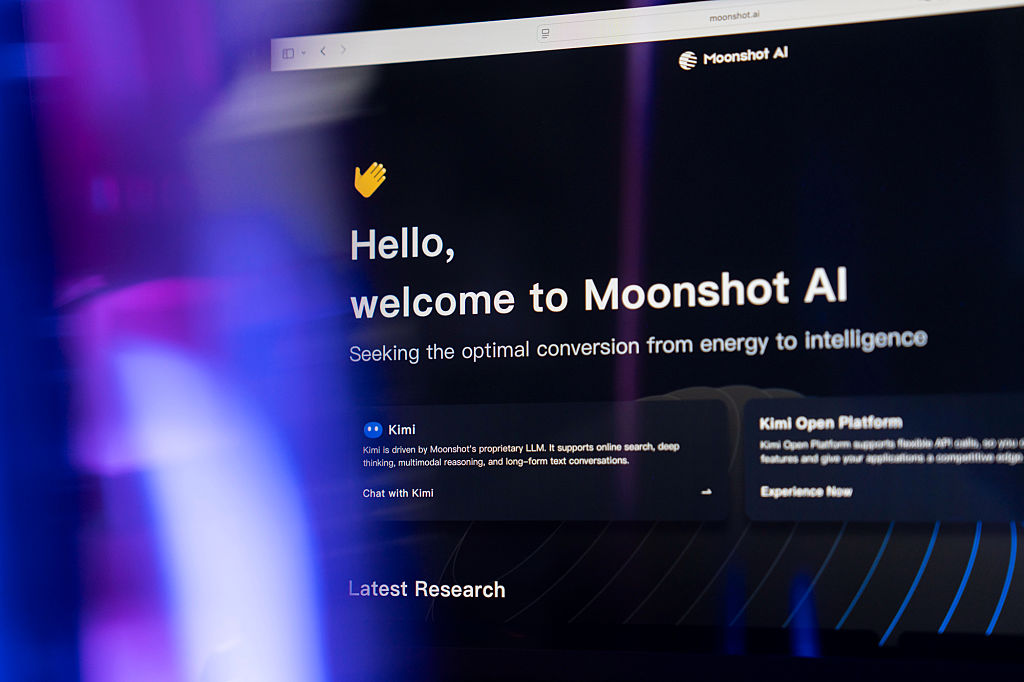
Moonshot AI’s Kimi 3 is arriving with benchmarks that put it within striking distance of Anthropic’s Opus 4.8 on reasoning and code tasks. The gap that was supposed to take five years to close is closing in months. If you’re building anything on top of Western AI APIs right now, this is the most important story you’re ignoring.
Why This Matters Right Now
Moonshot AI launched in 2023 and built its reputation on long-context document handling. Early Kimi models were competitive on reading tasks but lagged behind on coding and general reasoning. That’s changing fast.
According to Reuters, Moonshot AI raised over $1 billion in funding through 2025, valuing the company at roughly $3.3 billion. That capital went straight into model training and compute infrastructure. The result is Kimi 3, a model Moonshot claims matches or beats Opus 4.8 across several standard benchmarks, according to early coverage from The Information.
This isn’t happening in isolation. According to the AI Index 2026 report from Stanford, Chinese AI labs released more top-performing open models in the first half of 2026 than any other country. The idea that US labs hold a permanent technical lead is getting harder to defend by the quarter.
The Real Story Behind the Benchmark Numbers
Most people see a headline like “Chinese AI closes gap with Opus 4.8” and think about geopolitics. That’s the wrong frame. Think about money instead.
When Kimi 3 scores near Opus 4.8 performance levels, it doesn’t just validate Moonshot’s engineers. It puts direct pricing pressure on every API provider in the market. Anthropic charges premium rates because it delivers premium performance. If a competitor delivers nearly equal performance at a fraction of the cost, that pricing model breaks.
According to SemiAnalysis, inference costs for frontier-class models dropped roughly 90% between 2023 and 2025. Kimi 3 is likely to push that trend further. Moonshot operates with lower overhead than US labs and doesn’t face the same GPU export restrictions on older chip generations. They’re building fast, building cheap, and catching up.
Here’s the contrarian read: most builders are still paying for the best model when a nearly equal model might cost 60 to 70 percent less. That’s not a rounding error when you’re running thousands of API calls per day. The builders who figure this out first will have a real margin advantage over competitors locked into one provider.
I’ve watched this exact pattern play out in fintech. The early movers who adopted cheaper but capable infrastructure locked in cost structures that let them undercut incumbents on price while keeping margins intact. The same logic applies to AI tooling right now. The rich operator shops around for. The poor operator stays loyal to the first vendor that worked.
For content creators and small studios, this competition matters downstream too. When more capable AI becomes accessible at lower price points, the tools built on top improve alongside it. If you’re already using InVideo AI for video creation, better underlying models mean better scripts, tighter edits, and stronger output without paying more. That compounding effect is real.
According to Bloomberg Intelligence, the global AI API market is projected to exceed $80 billion by 2028. The battle for that market is what Kimi 3 is really about. Moonshot doesn’t need to beat Anthropic everywhere. It just needs to be good enough across enough categories to pull enterprise buyers toward a lower-cost alternative.
What I Would Do With This Information
First, stop treating your AI provider as a permanent partner. Every builder and operator should be running evaluation tests on at least two or three models right now. If you’re not, you’re leaving money on the table and creating a single point of failure in your stack.
Second, watch where Kimi 3 actually outperforms. Early reports point to strength in multilingual tasks and lengthy document reasoning. If your workflow touches either category, a direct comparison test is worth running today rather than waiting for a consensus take.
Third, think about your full tooling cost in layers. The model API is just one part of your stack. The apps and platforms built on AI matter just as much. Competition among labs tends to push product development downstream fast. If you want to lock in strong software pricing before the next wave of AI-powered tools hits the market, AppSumo’s lifetime deals are worth checking before everyone else catches on to the same idea.
Fourth, don’t let benchmark headlines make your stack decisions. Benchmarks measure specific tasks under controlled conditions. Your actual use case may score differently. Test Kimi 3 on your real prompts and your real workflows before moving anything. That’s how you get actionable data instead of press release data.
Fifth, build provider-flexible wherever you can. Use abstraction layers that let you swap models without rewriting your application logic. The cost of that flexibility now is low. The cost of being locked in when a cheaper, capable model arrives is high.
The Bottom Line
Kimi 3 closing the gap with Opus 4.8 is not a geopolitics story. It’s a pricing story, a margin story, and a competitive moat story. The builders who treat AI providers as permanent partners are going to get priced out by competitors who treat them as commodities. The window to rethink your stack before that pressure hits is shorter than most people realize. Act now or explain it later.
Frequently Asked Questions
What is Kimi 3 and who built it?
Kimi 3 is the latest large language model from Moonshot AI, a Chinese AI startup founded in 2023. The company has focused on long-context and reasoning capabilities, and Kimi 3 represents their most capable release to date, targeting performance near frontier Western models like Anthropic’s Opus 4.8.
How does Kimi 3 compare to Anthropic’s Opus 4.8?
Early reports suggest Kimi 3 scores within a few percentage points of Opus 4.8 on several standard benchmarks, particularly in reasoning and coding tasks. Independent evaluations are still emerging, so treating any single benchmark as definitive is premature. Testing both models on your specific use case is the only reliable comparison.
Does Kimi 3 cost less than Opus 4.8?
Moonshot AI has not finalized public API pricing, but the general pattern with Chinese AI models has been aggressive pricing designed to capture market share quickly. If Kimi 3 follows that pattern, expect API costs to run meaningfully below what Anthropic charges for comparable performance tiers.
Should I switch from Anthropic to Kimi 3?
Not necessarily, and not immediately. The smart move is running parallel evaluations on your actual workload before making any provider change. For tasks where Kimi 3 performs equally well, a cost comparison makes sense. For tasks requiring peak reliability or specific capabilities, Opus 4.8 may still be the better call.
What does increased AI model competition mean for builders?
It means API pricing will keep dropping while capability keeps rising. Builders who structure their stacks to be provider-flexible will benefit the most from that pressure. Locking into a single AI vendor right now is one of the more expensive mistakes you can make in 2026.
Get stories like this in your inbox. Daily.
Free. No spam. The AI, tech, and finance stories that move money.