Former OpenAI Exec Kevin Weil Joins Stoke Space Board
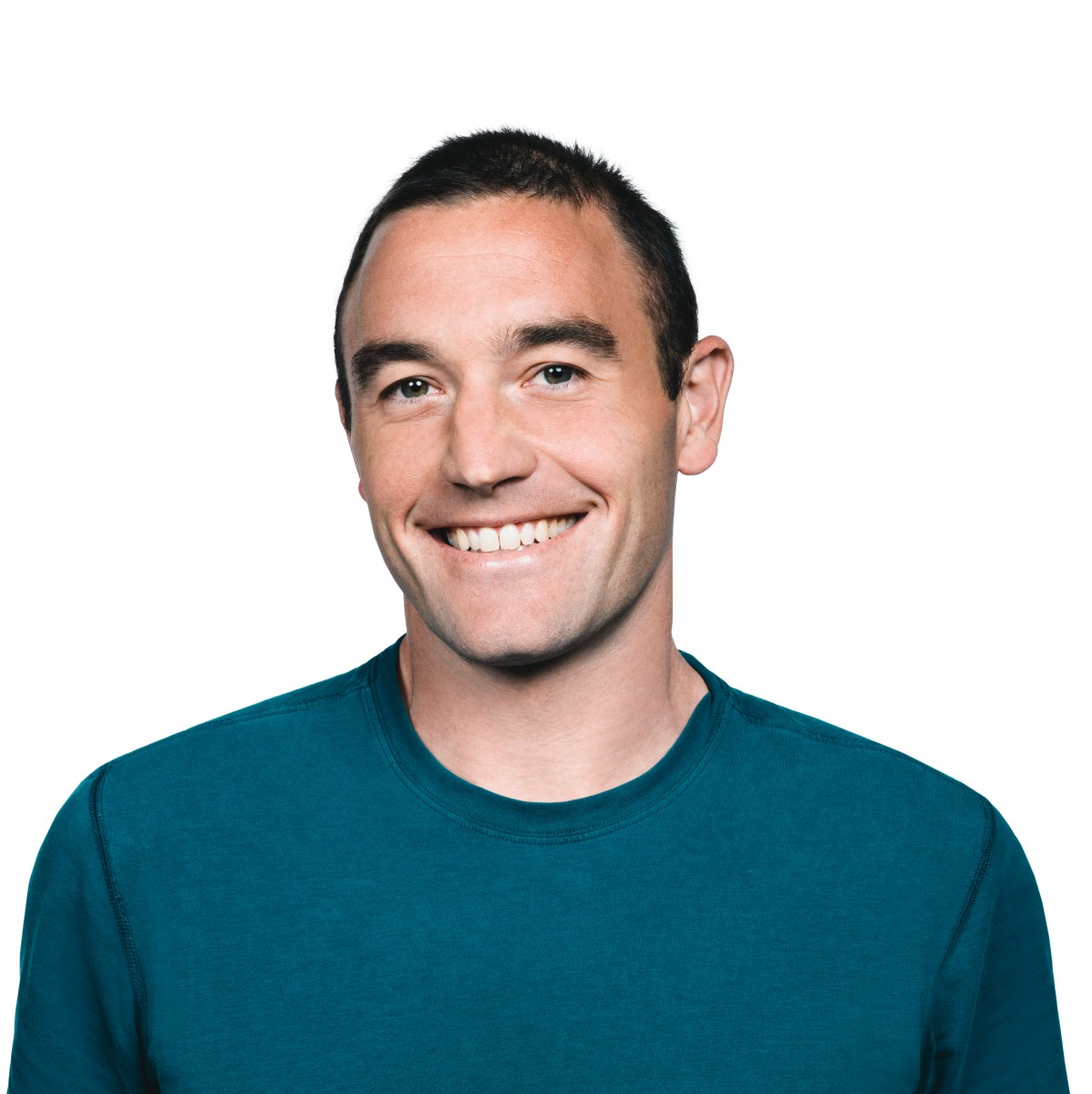
Former OpenAI Exec Kevin Weil Joins Stoke Space Board
Kevin Weil spent years helping build the most talked-about AI company in the world. Now he’s betting on rockets. Stoke Space just added the former OpenAI President of Product to its board of directors, and that one move tells you more about where smart money is flowing in 2026 than almost any press release I’ve read this year.
Why This Move Matters Right Now
Stoke Space is not your average rocket startup. The Kent, Washington company is building Nova, a fully reusable launch vehicle where every single piece comes back and flies again. That includes the upper stage, something no rocket company has cracked at commercial scale. According to Stoke Space, their Hopper test vehicle completed a series of successful vertical takeoff and landing tests before Nova’s debut. The company has raised over $175 million in total funding, according to Crunchbase, and it is competing directly with SpaceX and Rocket Lab for commercial launch contracts.
Kevin Weil left OpenAI in early 2026 after serving as President of Product. Before that, he ran product at Instagram under Meta and led revenue product at Twitter. He has watched what it looks like when a platform hits escape velocity from the inside. He knows the difference between a product that scales and one that flatlines. Stoke Space did not just add a name to their board. They added someone who has seen two of the fastest growing tech platforms in history up close.
The Real Play Behind This Hire
Here is what most people will miss about this story.
The space industry is not really about rockets anymore. It is about data, AI, and the infrastructure underneath everything else. According to Morgan Stanley, the global space economy is projected to reach $1 trillion by 2040. Most of that value will not come from launch services. It will come from satellite communications, earth observation data, and the AI systems that process all of it. Weil knows AI from the inside. He knows what happens when you build the right product on top of the right infrastructure. That is exactly what Stoke Space is positioning itself to be: the infrastructure layer.
The average investor will read this headline and think it is a space story. It is not. It is a platform story. Weil joining a board at this stage means he sees something that is not obvious to the public yet. Smart operators pay attention to where people like him show up before the rest of the market catches on.
According to the FAA, commercial launch license applications in the United States hit record levels in 2024, up more than 40% compared to five years prior. The launch window is getting crowded. The companies that survive will not just be the ones with the best rockets. They will be the ones with the best product thinking, the strongest data strategy, and the ability to build platform businesses on top of their launch capability. That is exactly where Weil adds real value.
I’ve watched enough tech cycles to know what this pattern looks like. When a senior product exec from a top AI company joins the board of a hardware startup, they are not there to write memos. They are there because the hardware is about to become a software business. The operators who get ahead in emerging sectors are the ones who can explain what they do clearly and fast, and many of them are already using tools like InVideo AI to turn complex technical stories into short form video that reaches investors and customers before competitors even figure out their messaging.
What This Means for You
If you are building or investing in 2026, Weil’s move to Stoke Space is a signal worth tracking carefully.
First, watch where AI talent goes after the big labs. OpenAI, Anthropic, and Google DeepMind are not the only games in town. When senior people leave those companies and show up in aerospace, biotech, or energy, it means the frontier of where AI creates real value is shifting. They are not moving to smaller opportunities. They are moving to earlier ones.
Second, fully reusable rockets change the math on everything below them. If Nova works as advertised, the cost per kilogram to orbit drops again. Lower launch costs mean more satellites. More satellites mean more data. More data means more AI applications. The whole chain moves. Stoke Space is not competing with SpaceX in the way most people frame it. It is trying to make the same bet Amazon made against book retailers: start with the infrastructure, own the infrastructure, and build the empire on top.
Third, board seats shape companies. A board position is not a title. It changes fundraising strategy, product direction, and who gets introduced to whom. Weil brings a network that includes AI researchers, institutional investors, and enterprise product buyers. That network is worth more than another press release.
Here is what I would do. Start paying attention to space as an infrastructure play, not a science project. Look at what tools and businesses benefit when launch costs drop and satellite data gets cheap. The time to position is before that becomes the obvious story. AppSumo regularly surfaces early stage software tools built around satellite data, geospatial analysis, and AI infrastructure. I check it when I want to find tools before they hit mainstream pricing and everyone else catches up.
The Bottom Line
Kevin Weil did not go from OpenAI to Stoke Space because he got tired of AI. He went because he sees the next platform forming before most people have named it. The best product minds in tech do not chase what is hot. They find what is next while everyone else is still debating last quarter’s news. Stoke Space is betting on full reusability. Weil is betting on Stoke Space. I’m watching where both of them go from here, and you should be too.
Frequently Asked Questions
Who is Kevin Weil and why does his move to Stoke Space matter?
Kevin Weil served as President of Product at OpenAI and previously led product at Instagram and Twitter. His move to the Stoke Space board matters because senior AI product executives rarely join aerospace startups unless they see a major platform opportunity forming. When people with that track record make a move like this, it is worth paying attention before the broader market figures out why.
What is Stoke Space building?
Stoke Space is developing Nova, a fully reusable launch vehicle designed to bring every component back after each flight, including the upper stage. According to Stoke Space, no other commercial rocket company has achieved this at scale. The company has raised over $175 million, according to Crunchbase, and is targeting commercial launch contracts in direct competition with SpaceX and Rocket Lab.
How does Kevin Weil joining Stoke Space connect to AI investing?
Lower launch costs from reusable rockets mean more satellites in orbit and more data flowing back to Earth. More data means more opportunity for AI companies to build on top of that infrastructure. Weil understands this chain from his time building AI products at OpenAI. His board seat puts him at the intersection of both trends at exactly the right time.
Is Stoke Space a direct competitor to SpaceX?
Stoke Space competes in the same commercial launch market as SpaceX and Rocket Lab, but the company is positioning full reusability, including upper stage recovery, as a cost advantage no other company has matched. The real competition will play out over the next several years as Nova moves from testing to commercial flights and the market sees whether the cost model holds up at scale.
What should operators and investors do with this information?
Watch where senior AI talent moves after leaving the major labs. These moves tend to precede the next wave of platform opportunities by 12 to 24 months. Position in infrastructure plays before they become the obvious story. The pattern here looks more like the early internet infrastructure build-out than a niche aerospace announcement.
Get stories like this in your inbox. Daily.
Free. No spam. The AI, tech, and finance stories that move money.