Ex-OpenAI CPO Kevin Weil Joins Stoke Space Board
Ex-OpenAI CPO Kevin Weil Joins Stoke Space Board
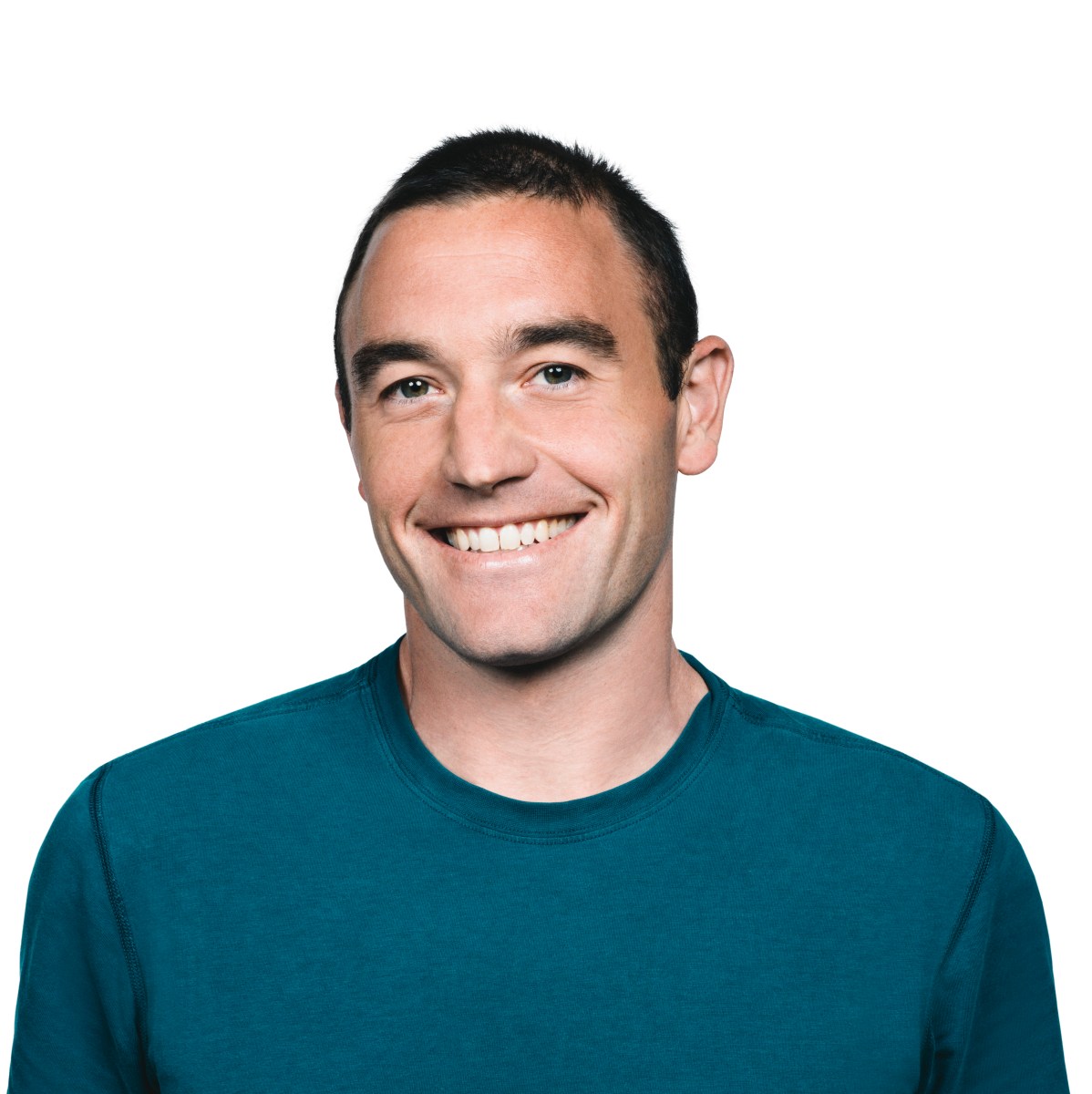
Kevin Weil just made his biggest move since leaving OpenAI. The former Chief Product Officer who helped ship GPT-4 to the world is now on the board of Stoke Space, a Seattle startup building a fully reusable rocket from scratch. The global space economy hit $570 billion in 2023, according to the Space Foundation. Weil isn’t sitting on the sidelines waiting to see what happens next.
Why This Move Is Bigger Than It Looks
Stoke Space was founded in 2019 by Andy Lapsa and Tom Feldman, both alumni of Blue Origin. Their goal is simple to say and brutally hard to execute: build a rocket where every single component lands back on the pad and flies again the same day. Not partial reuse. Not booster recovery while the upper stage burns up. Full reuse, every flight, according to Stoke Space.
That ambition put them in the same conversation as SpaceX Starship, but with a leaner team and a tighter architecture. They’ve been quietly testing their upper stage heat shield system, which uses liquid propellant actively cooling the base of the rocket during reentry. Nobody else is doing it that way.
Kevin Weil’s arrival on their board signals something important. Stoke is no longer just a hardware story. They’re thinking about how to win the market, not just the engineering challenge. And they brought in someone who has done exactly that before.
The Pattern Smart Money Keeps Missing
I’ve seen this play repeat in every major tech cycle. The company with the best technology almost never wins on its own. The company that combines strong technology with product thinking, distribution instincts, and operational speed is the one that scales.
Weil spent years at OpenAI doing exactly that. He helped turn a research lab into a product company that reached 100 million users in two months, faster than any consumer app in history, according to Reuters. Before that he ran product at Instagram and Twitter during their growth years. He knows what platform moments look like before they peak.
Stoke Space is at that inflection point right now. The rocket technology is proven enough to attract serious capital. Now the question is whether they can sell it, price it right, and build the customer relationships that create a moat before the next competitor shows up.
According to Morgan Stanley, the commercial space economy could reach $1 trillion by 2040. That’s not a rounding error. That’s a complete restructuring of who controls infrastructure. Compute moved from owned hardware to rented cloud. Launch is following the same path, from government monopoly to commercial commodity. The companies that crack true reusability will own that transition the way AWS owned cloud.
The investors sleeping on Stoke right now remind me of the people who passed on OpenAI before ChatGPT launched. Same pattern. Different sector. The signal is obvious in hindsight. It’s always obvious in hindsight.
Weil’s board seat is also a signal about talent movement. AI built careers. Those careers are now flowing into adjacent hard tech sectors: aerospace, defense, biotech, energy. The AI boom didn’t just create products. It created a generation of operators and product thinkers who understand how to scale complex systems fast. Stoke just hired one of the best of them.
What This Means for You
This isn’t a story to read and forget. It’s a playbook signal.
First, watch who joins boards, not just who raises rounds. A board appointment reveals strategy. A funding announcement just reveals that someone has money. Weil doesn’t need a resume booster. He took this seat because he believes in the outcome. That matters more than any press release.
Second, the commercial space supply chain is wide open. Stoke and companies like them need ground support software, payload integration services, data analytics, operations tooling, and sensor systems. If you’re thinking about building in that space, now is the time to get your company structured properly. Inc Authority offers free LLC filing that gets you a legal foundation without the upfront cost of a traditional attorney, which matters when you’re capital constrained at the start.
Here’s what I would do. I’d treat Weil’s move as the starting gun on a new cycle of aerospace deal flow. Partnership agreements, supplier contracts, and customer terms are going to move fast in this sector over the next 24 months. Tools like signNow let you handle e-signatures and document workflows without slowing down your deal velocity. Speed is a competitive advantage when a market is accelerating.
Third, think about where the money concentrates. Fully reusable launch brings down the cost per kilogram dramatically. Lower cost s new use cases. New use cases create new markets. That’s the compounding effect that made cloud storage a multi-hundred-billion dollar industry from something that started as a gimmick.
The Bottom Line
Kevin Weil didn’t leave one of the most valuable companies in AI to go sit on a boring board. He moved because he sees a platform shift that most people haven’t priced in yet. Rockets are the next layer of infrastructure. The companies that can fly hardware reliably and cheaply will control what gets built on top of that infrastructure. Weil’s job is to make sure Stoke becomes the company that other companies depend on. If he pulls it off, this board seat will look like one of the smartest moves of the decade. I wouldn’t bet against him.
Frequently Asked Questions
Who is Kevin Weil and what did he do at OpenAI?
Kevin Weil served as Chief Product Officer at OpenAI, where he oversaw the company’s product strategy and helped ship major releases including GPT-4 and the broader ChatGPT product suite. Before OpenAI, he held senior product leadership roles at Instagram and Twitter during their high growth periods.
What does Stoke Space actually build?
Stoke Space is building a fully reusable launch vehicle called Nova, designed so that every stage of the rocket returns to the launch pad and can fly again. Their upper stage uses an active liquid cooling system during reentry, a technical approach no other rocket company is currently pursuing at scale.
Why does a board seat matter for a rocket startup?
Board composition shapes company strategy, capital access, and hiring at the executive level. Weil brings a network of product talent, enterprise customers, and institutional investors that a pure aerospace team wouldn’t normally reach. It signals that Stoke is moving from pure R&D mode into commercial scale mode.
How is Stoke Space different from SpaceX?
SpaceX recovers its Falcon 9 booster but burns up the upper stage on every flight. Stoke’s architecture aims for full stack reuse, which theoretically brings cost per kilogram much lower over time. They’re also a much smaller and younger company, which gives them speed but also more execution risk.
Should regular investors pay attention to Stoke Space?
Stoke Space is still private, so direct investment isn’t available to most retail investors. The smarter play is watching which public companies in the satellite, defense, and aerospace supply chain benefit from a world with cheaper, more frequent launch access. That’s where the compounding happens for most people.
Get stories like this in your inbox. Daily.
Free. No spam. The AI, tech, and finance stories that move money.