Ex-OpenAI Chief Kevin Weil Joins Stoke Space Board
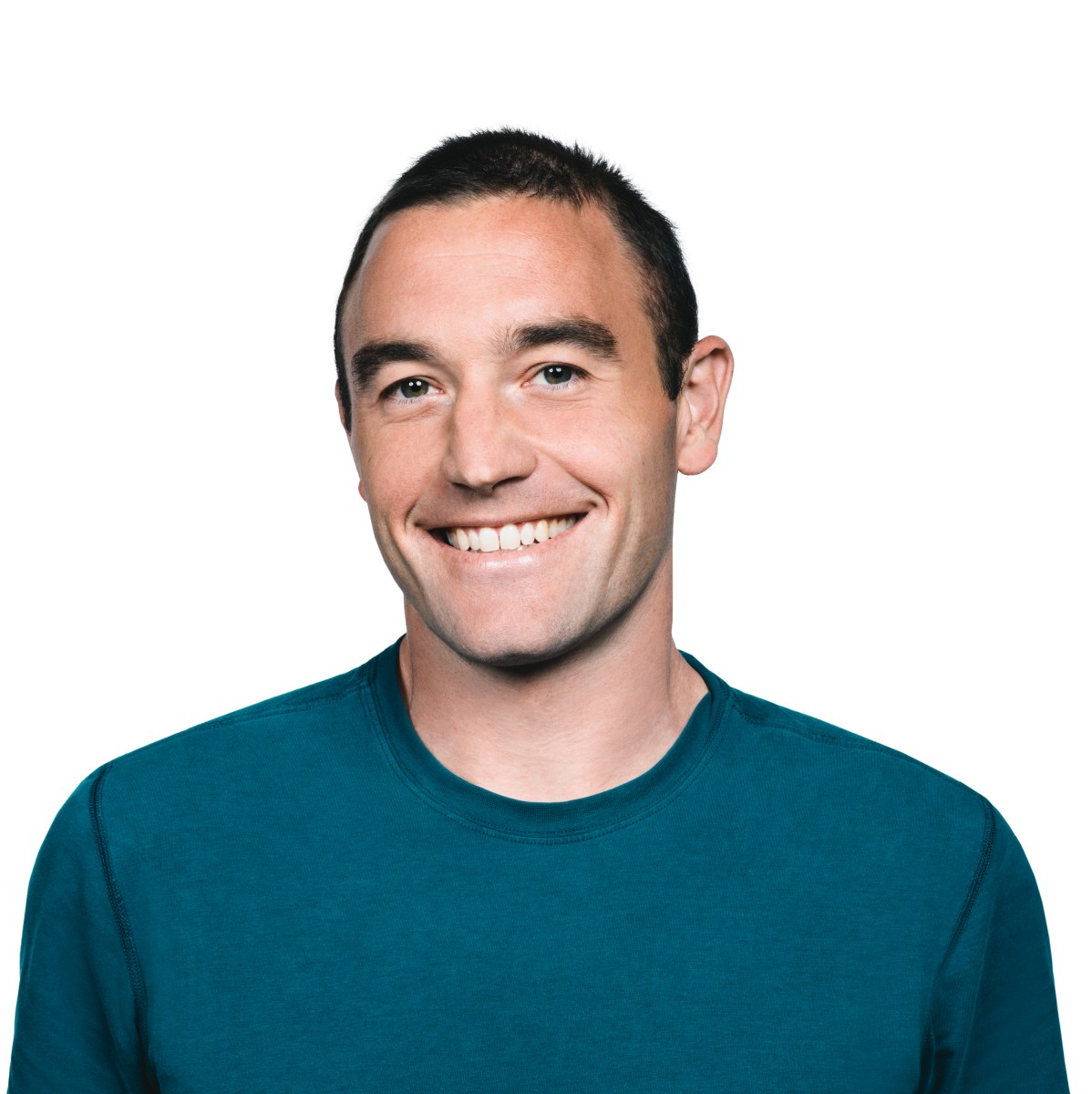
Ex-OpenAI Chief Kevin Weil Joins Stoke Space Board
Kevin Weil helped build the product layer at OpenAI when the company was valued at over $150 billion. Now he’s on the board of Stoke Space, a rocket startup trying to beat SpaceX on full reusability. When the person who shaped the world’s most powerful AI goes all in on rockets, you don’t scroll past that.
Why This Move Matters Right Now
Stoke Space was founded in 2021 by former Blue Origin engineers. The company is developing a fully reusable rocket called Nova. The pitch is simple: launch, land, refuel, and fly again fast enough to make access to orbit cheap. That’s the same core bet SpaceX made with Falcon 9, but Stoke wants to go further.
Weil left OpenAI in 2026 after serving as Chief Product Officer. Before that, he ran product at Twitter under Elon Musk. This is not a guy who collects vanity board seats. He moves toward things that are about to matter. His career shows a pattern: get into the room before the room gets crowded.
According to Morgan Stanley Research, the global space economy is projected to reach $1 trillion by 2040, up from roughly $350 billion today. Stoke Space has raised over $100 million in venture funding, according to Crunchbase. The company is still private, but the interest from a top AI product executive signals that serious capital sees the launch market as underpriced.
What Smart Money Sees That Most People Miss
Here’s the mindset trap most people fall into. They read “former tech exec joins space startup board” and they think it’s a career pivot story. They move on. They miss the signal entirely.
The gap between people who build wealth and people who don’t isn’t usually income. It’s information timing. The people who got rich from the internet saw the platform before the user numbers showed up. The people who got rich from mobile saw the distribution shift before the apps launched. Right now, the overlap between AI and physical infrastructure is where the next wealth transfer is quietly starting.
Weil doesn’t need a board seat for the money. He takes board seats to be in the room when the real decisions get made. And the real decision in 2026 is who owns the infrastructure that puts compute, communication, and autonomy into orbit at low cost.
Think about what AI systems need to scale beyond servers in a data center: communication relays, Earth observation data, and low latency satellite networks. Stoke Space’s reusable model directly attacks the cost barrier that makes all of that expensive. According to SpaceWorks, the number of small satellites launched annually has more than tripled since 2020. The economics of getting to orbit are compressing fast, and the people who understand AI at scale are now positioning in the companies that will move the hardware.
According to Morgan Stanley, launch costs have dropped more than 95% over the past four decades, with most of that decline happening in the last ten years. That cost curve is what makes the business case for commercial space real, not theoretical.
I’ve watched this pattern repeat in every major tech cycle. The executives who move first into the next infrastructure layer don’t do it for salary. They do it because they see a gap the market hasn’t priced in yet. If you want to understand how these moves play out before they become headlines, building a content presence around the thesis now is how you get ahead of it. Tools like InVideo AI let you turn complex market signals and board announcements into short video breakdowns that actually spread. I’ve used it to explain funding rounds and strategic hires in formats that reach people who never read a press release.
What This Means For You
Here’s what I would do if I were looking at this move as an investor or a builder.
First, watch the pattern over the next six to twelve months. Board appointments like this one often come right before a Series C, a government contract, or a strategic partnership announcement. Stoke Space isn’t publicly traded yet, but the satellite operators, defense contractors, and commercial customers in their pipeline are worth tracking. Follow the money before it becomes a filing.
Second, think about what Weil brings beyond connections. He ran product at OpenAI during the period when the company went from a research lab to a global commercial operation. That’s product discipline, pricing strategy, and API thinking applied to a launch service. Commercial space is becoming a software business on top of a hardware stack. He knows how to build that product layer. That’s not a small thing.
Third, if you’re building a media or creator presence around tech and finance themes, right now is the time to get into this space before it gets crowded. Most of your competition won’t start covering this until Stoke files for an IPO. AppSumo regularly features deals on tools that help creators publish faster and build audiences at lower cost. Worth checking if you’re trying to establish authority in a niche before it goes mainstream.
The average person reads this headline and forgets it by lunch. The sharp operator asks: what does Kevin Weil see that I don’t yet, and how do I get positioned before it becomes obvious?
The Bottom Line
Kevin Weil didn’t leave one of the most powerful AI companies on the planet to sit on a board for something to do. He went to Stoke Space because he thinks rockets are the next platform. The space economy is real, the cost curves are moving fast, and the people who understand AI are now the people betting on launch capacity. Most investors won’t connect those dots until the IPO is already priced and the upside is gone.
Frequently Asked Questions
Who is Kevin Weil?
Kevin Weil is a technology executive who served as Chief Product Officer at OpenAI. Before that, he ran product at Twitter under Elon Musk. In 2026, he joined the board of Stoke Space, a privately held rocket startup focused on full reusability.
What is Stoke Space building?
Stoke Space is developing a fully reusable rocket called Nova, designed to launch payloads into orbit, land, and fly again quickly. Founded in 2021 by former Blue Origin engineers, the company has raised over $100 million in venture funding according to Crunchbase.
Why does Kevin Weil joining Stoke Space matter?
Senior AI executives don’t take random board seats. Weil’s move signals that people who understand AI at the product and commercial level see space infrastructure as the next major investment theme. It’s a data point that tends to show up before a company’s biggest inflection point.
Is Stoke Space publicly traded?
No. Stoke Space is a private company as of mid-2026. They have not announced plans for a public offering. Investors can’t buy in directly yet, but tracking the companies in their orbit, suppliers, customers, and competitors offers indirect exposure.
How big is the space economy expected to get?
According to Morgan Stanley Research, the global space economy is projected to reach $1 trillion by 2040. That growth is being driven by falling launch costs, a surge in satellite deployments, and increasing demand for low Earth orbit communications and data infrastructure.
Get stories like this in your inbox. Daily.
Free. No spam. The AI, tech, and finance stories that move money.