Kevin Weil Leaves OpenAI as Codex Takes Over
“`html
Kevin Weil Leaves OpenAI as Codex Takes Over
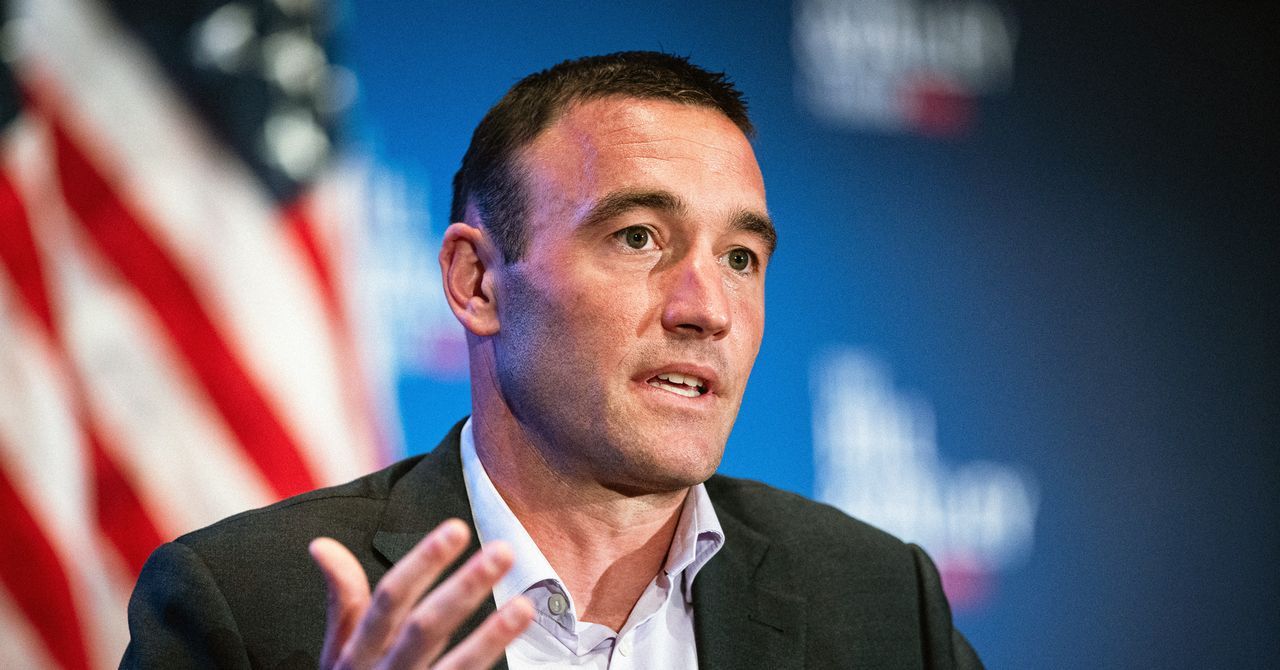
OpenAI’s Chief Product Officer Kevin Weil is out. The former Instagram VP is walking away from the company that built ChatGPT, and OpenAI is folding the AI science application he led straight into Codex. When a top exec leaves and a product gets absorbed, that’s not a routine reshuffle. That’s a signal.
What’s Actually Happening Here
Kevin Weil joined OpenAI after a run at Instagram, and he climbed to Chief Product Officer, according to reporting from October 2024. He was the person steering OpenAI’s product vision at one of the most watched companies on earth. Now he’s gone, and the team he built around AI science applications is getting folded into Codex, OpenAI’s coding focused product line.
This kind of consolidation tells you everything about where OpenAI is placing its bets right now. The company isn’t chasing every use case at once anymore. It’s tightening up. Codex is getting bigger. Everything else is getting smaller or disappearing entirely.
Weil was no stranger to scale. He helped build Instagram into a platform with over a billion users before it was consumed by Meta’s machine. At OpenAI, he was one of the loudest voices about what AI could do for software development. According to OpenAI’s own statements from 2024, GPT-o1 preview was already performing at the level of the top 2 to 3 percent of competitive programmers globally. Weil himself predicted that AI would surpass human coders at competitive programming by the end of 2025. That prediction landed right on time.
Why This Departure Is Bigger Than It Looks
I’ll be direct. Executive departures at AI companies are not random. They’re chess moves. And when a company loses its CPO while simultaneously absorbing one of its own products into another, you’re watching a strategy shift, not a personnel update.
OpenAI has been burning cash at a rate that should make anyone pay attention. According to reporting from The New York Times, OpenAI was projected to lose around 5 billion dollars in 2024 alone, even with revenues climbing fast. The company raised 6.6 billion dollars in a funding round valuing it at 157 billion dollars, according to Reuters. That kind of money creates pressure. Investors don’t hand over 157 billion dollars worth of valuation and then sit back and relax. They want returns, and they want a focused product story.
Folding Weil’s AI science work into Codex gives OpenAI exactly that. It consolidates the coding story. It cuts internal complexity. And it frees the company to push Codex as the one product that enterprise clients and developers will pay serious money for.
Here’s what most people miss. The exit of a CPO often means the product strategy is already locked in. The person who helped shape that strategy is no longer needed to defend it. OpenAI knows where it’s going with coding AI. Weil got them to that destination. Now the drivers are changing.
According to GitHub’s 2024 Developer Survey, 76 percent of developers were already using or planning to use AI coding tools. That number only goes up from here. OpenAI wants to own that market, and Codex is its weapon. Every dollar and every team member is being pointed at that target.
The AI science application Weil led was genuinely interesting work. It wasn’t about writing code. It was about using AI to accelerate scientific research itself, running experiments, analyzing data, and generating hypotheses. That’s a massive market on paper. But it’s also a slower, harder sell than coding tools. Enterprise software teams will buy a coding assistant today. Research institutions take years to procure anything.
OpenAI made a business decision, not a scientific one. I respect that, even if I think the science application work deserved more runway.
If you’re a content creator or small business owner watching this play out and wondering how to keep up with the pace of AI product changes, tools like InVideo AI are worth your attention. I’ve seen creators use it to turn articles like this one into fully produced video content in under 30 minutes. That’s the kind of speed you need when the news cycle moves this fast.
What This Means for You
If you work in AI, tech, or any company that depends on software, here’s what I’d be thinking about right now.
First, Codex is about to get a serious investment of resources. OpenAI just told you, through this reorganization, that coding AI is where it’s building its moat. That means Codex is going to get better fast. If you’re not already testing it for your team’s workflow, you’re falling behind people who are.
Second, the AI science application space just lost its most prominent internal champion at OpenAI. That doesn’t mean the market disappears. It means other players, smaller startups and research focused firms, now have more room to operate without OpenAI breathing down their necks. If you’re an investor, that’s where I’d be looking.
Third, watch the Codex pricing moves. When a company consolidates products and doubles down, it usually raises prices within 12 to 18 months. Lock in whatever Codex pricing you can right now. The same logic applies to any AI coding tool you depend on. If you want to lock in lifetime deals on software before prices climb, AppSumo is worth bookmarking. I’ve found legitimate tools there at prices that would seem absurd a year later.
Fourth, don’t tie your entire workflow to one AI platform. OpenAI is reorganizing. That means products change, features disappear, and teams get reshuffled. Build flexibility into how your team uses AI tools. Redundancy isn’t wasteful. It’s smart risk management.
Finally, if you’re a product leader at an AI company, pay attention to this moment. Weil’s departure shows that even people with serious credentials and strong track records can become misaligned with a company’s sharpening focus. Know what your company is actually optimizing for, not what it says in the all-hands meeting.
The Bottom Line
OpenAI just told the market what it believes in. It believes in Codex. It believes coding AI is the product that wins enterprise contracts and justifies a 157 billion dollar valuation. Kevin Weil helped build that belief. Now the company is moving without him. In business, that’s not betrayal. That’s momentum. The only question is whether OpenAI’s competitors are paying close enough attention to respond before Codex becomes untouchable.
Frequently Asked Questions
Who is Kevin Weil and what was his role at OpenAI?
Kevin Weil served as Chief Product Officer at OpenAI, according to reporting from October 2024. He previously worked as a VP at Instagram before joining the ChatGPT maker to lead its product strategy.
What is OpenAI Codex and why does it matter?
Codex is OpenAI’s coding focused AI product, designed to help developers write, review, and improve software. OpenAI is consolidating its AI science work into Codex, signaling that coding AI is now the company’s primary product priority.
What did Kevin Weil say about AI coding capabilities?
According to OpenAI’s own statements, Weil pointed to GPT-o1 preview performing at the level of the top 2 to 3 percent of competitive programmers worldwide. He also predicted AI would surpass human coders at competitive programming by the end of 2025.
What does this executive departure mean for OpenAI’s direction?
It signals a tighter product focus centered on coding AI and enterprise software tools. Companies absorbing one product into another while losing a top executive typically means the strategy is already set and the leadership that built it is no longer needed to run it day to day.
How should developers and businesses respond to OpenAI’s Codex push?
Start testing Codex now before resources flood in and pricing shifts upward. At the same time, build flexibility into your AI tool stack so you’re not fully dependent on any single platform that could reorganize or reprice at any moment.
“`
Get stories like this in your inbox. Daily.
Free. No spam. The AI, tech, and finance stories that move money.