Most people waste 40 hours a month answering the same questions. I built a digital avatar of myself that handles those conversations now. It knows my voice, my opinions, and my answers. And it never sleeps.
Why This Is Happening Now
In 2026, AI avatar technology has moved from science experiment to serious business tool. According to Markets and Markets, the AI avatar market was valued at $9.5 billion in 2024 and is on track to hit $31.4 billion by 2028. That is not a niche hobby. That is an infrastructure shift.
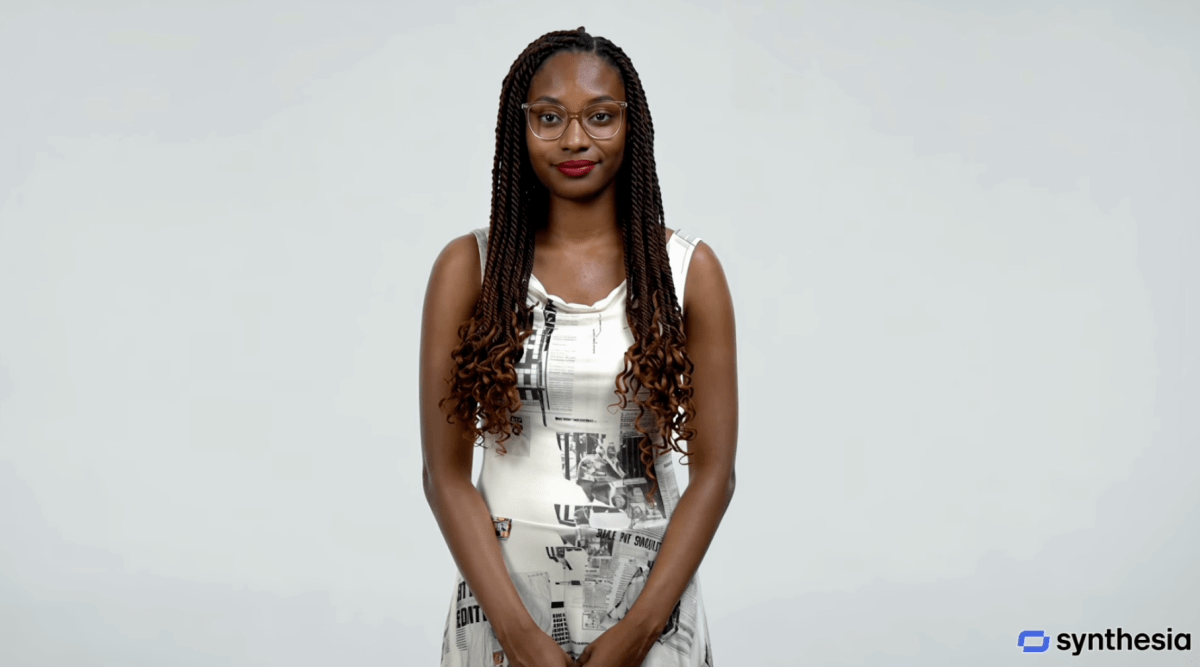
Companies like HeyGen, Synthesia, and a wave of newer entrants have built tools that let you record a few hours of yourself talking, then generate a version of you that can hold a real conversation. The avatar learns your speech patterns, your typical answers, and your tone.
I went through the process myself. It took one afternoon to record the source material and about two days for the model to train. What came out the other side surprised me. People who talked to my avatar on my website did not always realize they were not talking to me in real time.
The Money Angle Nobody Is Talking About
Here is what most people get wrong about this technology. They see a digital avatar and think “gimmick.” They think it is a vanity project for influencers or a LinkedIn flex. That is poor mindset thinking.
Rich mindset says: every hour I spend answering repetitive questions is an hour I am not building assets. If a digital version of me can field those questions instead, I just bought back my time at zero cost.
Think about what that actually means. According to a 2025 report by Salesforce, the average entrepreneur spends 23% of their working week answering the same questions from prospects, followers, and clients. On a 50-hour week, that is 11.5 hours. Multiplied over a year, that is 598 hours. At a conservative $150 per hour value on your time, that is $89,700 in lost productive capacity annually.
A digital avatar does not eliminate all of that. But it chips away at a meaningful chunk.
I use mine for three things. First, it answers FAQ questions on my website. Anyone who lands on my site can click a button and talk to my avatar about what I do, how I work, and whether we are a good fit. Second, it handles intake conversations with potential clients. The avatar qualifies the lead before they ever get my calendar. Third, I am experimenting with using it for evergreen content. I record one training session once, and the avatar can explain that concept to a thousand different people without me repeating myself.
According to Wyzowl’s 2025 Video Marketing Report, 91% of consumers say they want more interactive video content from brands. Static FAQ pages convert at roughly 2%. Interactive video conversations convert at closer to 12%. That is a 6x difference from changing the format alone.
If you want to start experimenting without building a full avatar from scratch, InVideo AI has solid video creation tools that integrate well with avatar workflows. It lets you prototype fast before you decide to go deeper with a dedicated avatar platform.
The real shift here is what this does to the economics of attention. Before AI avatars, your personal brand was capped by how many hours you could personally show up. Now it is not. Your presence can be in ten conversations at once. That is an asset that compounds.
What I Would Do If I Were Starting Today
Start with the questions. Before you build anything, pull up your inbox and write down the 20 questions you answer most often. Those become the training script for your avatar. If you skip this step, you will build a version of yourself that cannot answer the things people actually ask.
Second, record clean source material. Most platforms need two to four hours of you talking naturally on camera. Do it in one solid day. Do not break it into five minute chunks across a week. The model trains better on continuous material.
Third, deploy it somewhere with real traffic first. Do not launch your avatar on a page nobody visits. Put it on your pricing page or your contact page. Somewhere where people are already asking questions. Measure whether conversations go longer and whether conversion improves.
Fourth, review the transcripts weekly. Your avatar will sometimes give a wrong answer or miss the nuance. You need to catch that early. The transcripts also tell you what questions you have not trained for yet.
If you want to try this without a big upfront commitment, AppSumo regularly features lifetime deals on AI avatar tools that cost significantly less than monthly subscriptions. It is a practical way to test the technology before you go all in.
The total cost to get a working avatar running is somewhere between $200 and $800 depending on the platform. The time investment is one solid day. The payback period, if your time is worth anything at all, is measured in weeks.
The Bottom Line
In three years, not having a digital avatar will feel like not having a website in 2010. The people who build this now will have a trained, optimized version running when everyone else catches up. The people who wait will spend 2029 explaining why they are still answering the same questions manually. Build the asset. Stop renting your own time back from yourself.
Frequently Asked Questions
What is an interactive digital avatar?
An interactive digital avatar is an AI-generated version of you that can hold real conversations. It is trained on your voice, your face, and your answers to common questions. People can talk to it in real time without you being present.
How much does it cost to build a digital avatar of yourself?
Most platforms charge between $50 and $300 per month, or you can find single purchase options through deal platforms. The bigger investment is the time to record quality source material and train the model correctly.
Can a digital avatar replace real human interaction?
No, and it should not try to. A digital avatar works best for repetitive, high volume conversations where the questions are predictable. Complex deals, emotional situations, and novel problems still need you in person.
Is the technology good enough to use professionally in 2026?
Yes. The best platforms in 2026 produce avatars that are clear, responsive, and close to indistinguishable in short conversation clips. The gap between avatar output and real video has closed significantly in the past 18 months.
How do I train my digital avatar to answer questions accurately?
Record yourself answering your 20 most common questions in long form, not just one or two sentences each. Give full explanations. The model needs enough material to generalize your reasoning, not just your phrases.