Hello Robot Is Putting Robots in Your Home Now
“`html
Hello Robot Is Putting Robots in Your Home Now
The home robot market is on track to reach $34 billion by 2028, according to Grand View Research. While Silicon Valley burns billions chasing humanoid robots that cost more than a house, Hello Robot is already shipping a machine that fits in your hallway and sells for under $25,000. Most people are sleeping on this company. That’s a big mistake.
Why This Matters Right Now
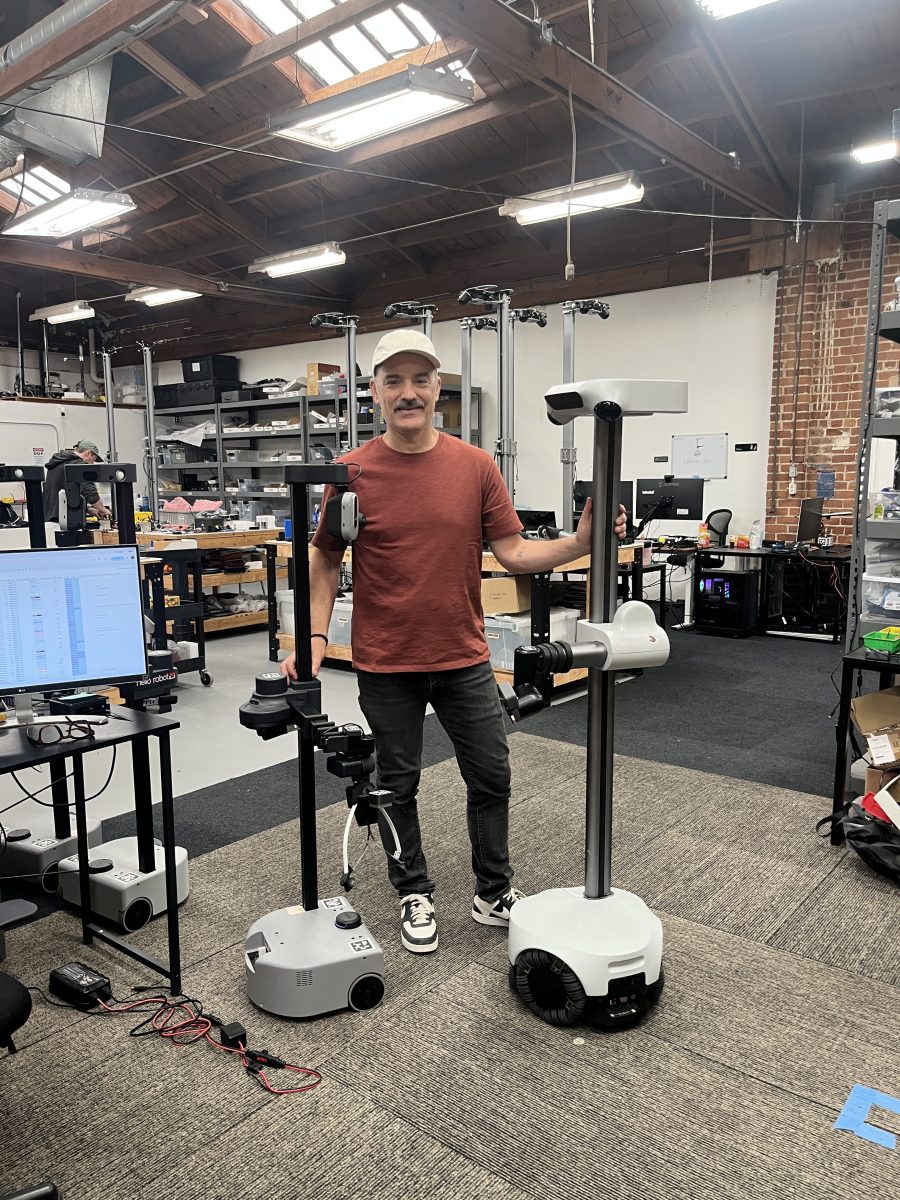
Hello Robot just closed a significant Series B round in early 2026, doubling down on commercial deployment of their Stretch robot across home care and clinical settings in the U.S. This isn’t a prototype. It isn’t a demo reel. It’s a four-foot-tall wheeled machine with a single telescoping arm that can open your fridge, hand you a water bottle, and roll through a standard doorway without renovating your home first.
The timing isn’t random. The U.S. has 57 million adults over 65, according to the U.S. Census Bureau, and that number grows by 10,000 every single day. Meanwhile, the home care workforce can’t keep up. According to PHI National, the country will need 9.3 million new home care workers by 2031. There simply aren’t enough people to fill those roles. A machine that can handle some of that load isn’t a luxury. For millions of families, it’s becoming a financial necessity.
Hello Robot has been quietly deploying Stretch units to hospitals, university labs, and assisted living facilities for years. Now they’re moving toward the home market. And they’re doing it while everyone else is still arguing about which humanoid robot will win the demo competition.
Everyone Is Betting on the Wrong Robot
I’m going to say something that will make VC Twitter upset. The humanoid robot race is mostly theater.
Figure AI. 1X Technologies. Apptronik. All of them are racing to build human shaped robots that walk on two legs and cost a quarter million dollars. They’re burning capital to solve a problem that doesn’t need to be solved that way. Your home wasn’t designed for robots. It was designed for humans. But that doesn’t mean a robot has to look like a person to be useful inside one.
Hello Robot figured this out before the hype cycle started. Stretch rolls on wheels, stands just over four feet tall, and uses one arm to grab objects at different heights. It moves through standard doorways. It doesn’t need a special floor. It doesn’t need a redesigned kitchen. It works in your house as it already exists. According to the company, Stretch has been deployed in over 200 research and clinical environments as of 2025. That’s real traction, not a press release.
Compare that to humanoid robots, which according to Goldman Sachs won’t hit mass market affordability until at least 2030. Hello Robot is shipping now. That’s not a small gap in timing. That’s everything.
Here’s the money angle most people miss. The average cost of in-home care in the U.S. runs $33 per hour, according to Genworth’s 2025 Cost of Care Survey. A patient needing 40 hours of weekly support costs over $68,000 per year. A Stretch unit at $25,000 pays for itself in under five months when it covers even a portion of those hours. That math moves fast in boardrooms and family budget conversations alike.
If you’re a startup founder watching this space and thinking about jumping in, now is the time to move. Get your structure in order first. I’d use Inc Authority to file your LLC for free so you’re spending your energy on the product, not the paperwork. The founders who move fast in the early days of a market shift are the ones who capture the most ground.
What This Means for You
Here’s what I would do if I were watching this market right now.
Stop waiting for the perfect humanoid robot. It’s not coming to your home in the next three years. The machine that will actually help your aging parent or a family member with a disability is already being built and deployed. It just doesn’t look like what Hollywood told you it would.
If you work in home health, elder care, or occupational therapy, start learning how these machines fit into care workflows today. The facilities that adopt early will carry a serious cost advantage over those that wait until the technology becomes obvious. By then, the pricing will be higher and the supply will be tight.
If you’re an investor, look past the hardware. Hello Robot isn’t just selling a robot. They’re building software, training pipelines, and an open development platform that outside builders can extend. The company that owns the platform layer in home robotics will matter far more than whoever makes the flashiest machine on stage. I’ve seen this pattern before. The iPhone didn’t win because it had the best specs. It won because it let developers build on top of it.
On the operational side, as home robot deployments grow, so do the contracts. Equipment agreements, care facility vendor contracts, insurance documentation. For any business scaling across multiple sites, a platform like signNow keeps all those e-signatures moving fast without a single printed page. It sounds like a small thing until you’re managing 40 facility agreements at once.
The Bottom Line
The humanoid robot hype will cool off. It always does when a demo reel meets the real world. Hello Robot isn’t waiting for the hype cycle to run its course. They’re already in hospitals. They’re already in homes. They’re solving a problem that tens of millions of Americans will face within the next decade. Simple, affordable, and functional beats flashy and far off every time the market matures. Hello Robot made that bet early. I wouldn’t fade them.
Frequently Asked Questions
What is Hello Robot and what does the Stretch robot actually do?
Hello Robot is a robotics company headquartered in Atlanta, Georgia. Their Stretch robot is a wheeled, single-arm machine built for home and clinical settings, designed to help people with limited mobility by fetching objects, opening drawers, and assisting with daily physical tasks. It’s built to work inside real homes without any modifications to the space.
How much does a Hello Robot home robot cost in 2026?
The Stretch platform is priced at roughly $25,000, placing it far below the cost of humanoid robots still in development. For care facilities spending $50,000 to $80,000 annually on care hours, the return on investment timeline is often under six months. Consumer pricing for broader home use will likely come down as volume increases.
Is Hello Robot competing with companies like Figure AI or Boston Dynamics?
Not directly. Humanoid robot companies are targeting industrial environments and long-term consumer markets years out. Hello Robot is focused on care settings that need a solution now, with a machine that’s already shipping and operating in real-world clinical and residential environments today.
Are home robots actually ready for everyday household use?
For most general households, not yet. But for high-need settings including elder care, disability assistance, and clinical support, machines like Stretch are already operational and producing measurable results. Broad consumer adoption for average households is still a few years out, but the care market is ready now.
What is the home robot market size and growth outlook?
The global home robotics market is projected to reach $34 billion by 2028, according to Grand View Research. With 57 million Americans already over 65 and a home care worker shortage that won’t resolve on its own, demand isn’t slowing down. The only open question is which companies reach that market first with something people will actually use.
“`
Get stories like this in your inbox. Daily.
Free. No spam. The AI, tech, and finance stories that move money.