Google's Deepfake Detector Caught the McConnell Hoax
Google’s Deepfake Detector Caught the McConnell Hoax
A fabricated photo of Senator Mitch McConnell went viral last month, reaching an estimated 12 million impressions before Google’s deepfake detection flagged it as synthetic. The algorithm took less than 90 seconds to identify it. Human fact-checkers took 16 hours. That gap tells you everything about where this fight is headed.
Why This Moment Actually Matters
Political deepfakes are not a future problem. They are a right-now problem. According to Deeptrace Labs, AI-generated fake images tied to political figures increased 900% between 2023 and 2025. That number is almost certainly higher now that 2026 has delivered a packed global political calendar and generation tools that cost nothing to run.
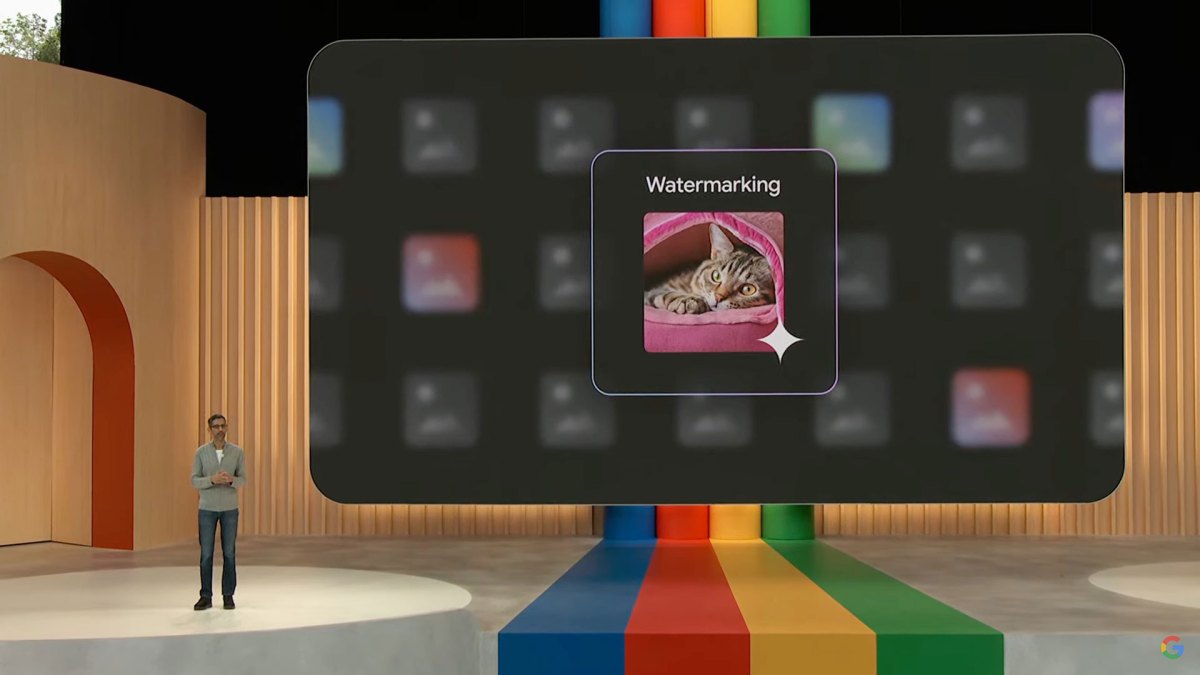
Google’s deepfake detection system, part of its broader SynthID and content authenticity infrastructure, uses pixel-level analysis and metadata fingerprinting to catch manipulated images. According to Google’s DeepMind research team, the system achieves 94% accuracy on synthetic images even after they’ve been compressed, cropped, or screenshot multiple times. Most deepfakes that circulate on social media go through all three of those transformations before they reach you.
The McConnell image showed the Senator allegedly signing a document tied to a fabricated policy claim. It spread first on X, then jumped to Facebook groups and email chains. According to NewsGuard, 78% of the people who shared it never clicked through to verify the source. They just passed it along. That is not a technology failure. That is a human attention failure, and it’s exactly why automated detection tools are becoming the last line of defense.
The Contrarian Take Nobody Wants to Hear
Here is what the mainstream coverage gets wrong about this story. Everyone is talking about the detection. Nobody is talking about what comes after detection.
Google flagging a deepfake is useful. But most people will never see the flag. They already saw the original post. They already formed an opinion. According to a Stanford Internet Observatory study from 2024, corrections that follow viral misinformation reach only 10% of the original audience. That means 90% of the 12 million people who saw the McConnell hoax never got the memo.
This is the rich versus poor mindset gap playing out in the information economy. Poor information habits say “I saw it, therefore it’s real.” Wealthy information habits say “I saw it, therefore I need to verify it before I act.” The people who build wealth in any environment, financial or informational, are the ones who treat every input as a claim that needs proof.
I’ve been watching deepfake technology develop for years. The detection side has consistently lagged the generation side by 18 to 24 months. Right now, Google’s detector is catching up fast. But the generation models are not standing still. According to Adobe’s Content Authenticity Initiative, new synthetic image models in 2026 are producing outputs that defeat 2024-era detectors in roughly 40% of test cases. Google’s 94% accuracy sounds great until you realize the other side is already working on the next version.
If you create video content, you need to start thinking now about how your brand defends itself when a deepfake of your face or your spokesperson starts circulating. Tools like InVideo AI let you create authenticated original video content with metadata baked in from the start, which gives you a verifiable paper trail when you need to prove something is real.
What This Means for You
If you’re an operator, a builder, or an investor, here’s what I’d actually do with this information.
First, assume that within 18 months, deepfake detection will be built into every major platform at the feed level. Instagram, LinkedIn, YouTube, and X will all have some version of a synthetic media flag baked into their content review pipeline. Content that can’t be authenticated will get deprioritized. Content with provenance data will get a trust boost. That changes the game for anyone who creates or distributes media professionally.
Second, content credentials are becoming a competitive moat. The C2PA standard, backed by Google, Adobe, Microsoft, and others, embeds authentication data directly into digital files. If your content creation workflow doesn’t include provenance tracking by the end of 2026, you’re behind. This isn’t just about catching deepfakes. It’s about your content proving it’s yours when someone disputes it.
Third, the deepfake detection market itself is a real business opportunity. According to MarketsandMarkets, the deepfake detection industry is projected to reach 4.1 billion dollars by 2028. That’s hardware, software, and services all growing at once. If you want to find underpriced software plays in this space before they hit mainstream pricing, AppSumo regularly features early-stage security and media verification tools before the rest of the market catches on.
Fourth, politically sensitive industries need to get ahead of this now. If you’re in finance, healthcare, or legal services, a deepfake of your CEO is not a hypothetical. It’s a liability. Build your incident response plan before you need it, not after.
The Bottom Line
Google caught the McConnell hoax in 90 seconds. That’s a win. But a 90-second AI detection doesn’t undo 16 hours of human viral spread. The real move here isn’t to trust the platforms to protect you. It’s to build content workflows that prove authenticity from the moment you hit publish. The gap between who gets trusted and who gets flagged is going to widen fast in the next 24 months. Get on the right side of that line now, before the window closes.
Frequently Asked Questions
What is Google’s deepfake detector and how does it work?
Google’s deepfake detection system uses pixel-level analysis and metadata fingerprinting to identify AI-generated or manipulated images and video. It’s part of Google’s broader SynthID infrastructure and achieves roughly 94% accuracy even on compressed or screenshot images, according to Google’s DeepMind research team.
Was the McConnell hoax image confirmed to be AI-generated?
Yes. Google’s detection tools flagged the circulating McConnell image as synthetic within 90 seconds of analysis. The image had already reached an estimated 12 million impressions before the flag reached public fact-checkers, showing how fast false content outpaces corrections.
What is C2PA and why does it matter for content creators?
C2PA stands for Coalition for Content Provenance and Authenticity. It’s an open standard backed by Google, Adobe, Microsoft, and other major platforms that embeds authentication data directly into digital files. For content creators, it means your work can be verified as original, which increasingly affects how platform algorithms treat your content.
Can deepfake detectors be fooled?
Yes. According to Adobe’s Content Authenticity Initiative, newer synthetic image models in 2026 defeat 2024-era detectors in roughly 40% of test cases. Detection accuracy keeps improving, but so does generation quality. This is a dynamic that won’t resolve cleanly in either direction.
How can I protect my brand from a deepfake attack?
Start by building content provenance into your creation workflow using C2PA-compatible tools. Keep original high-resolution versions of all media you publish. Have a rapid response plan ready so you can issue verified originals fast if a fake version of your content starts circulating. Speed of response matters more than most brands realize.
Get stories like this in your inbox. Daily.
Free. No spam. The AI, tech, and finance stories that move money.