Google Declares War on AI Design at IO 2026
“`html
Google Declares War on AI Design at IO 2026
Google just walked into a $15 billion market with a sledgehammer. At IO 2026, the company unveiled AI design tools built for its 3 billion daily users. Adobe, Canva, and Figma are now staring down competition from a company that doesn’t need to charge for design software to make money. That changes everything.
What Just Happened
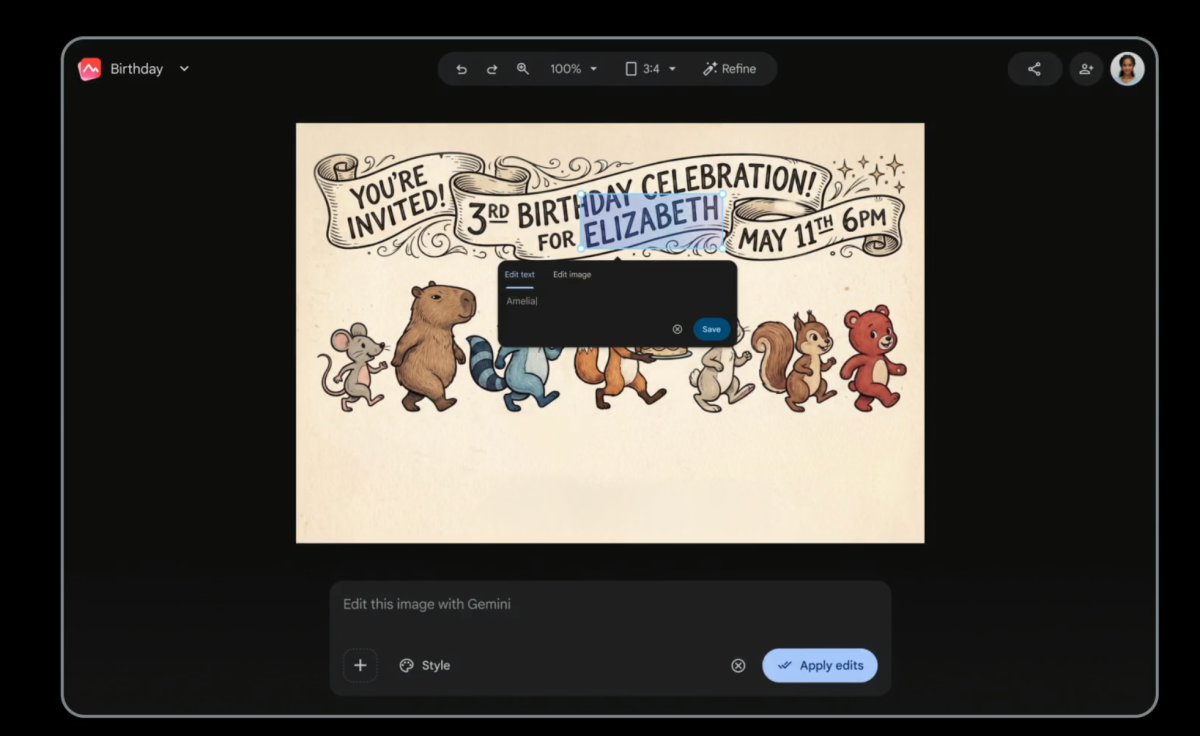
Google IO 2026 took place in Mountain View this May. The company packed the keynote with Gemini updates, but the story most people missed was the design announcement. Google showed off AI tools that let anyone create images, marketing graphics, presentation decks, and brand assets inside products they already use every day.
The tools are baked into Google Workspace, Google Photos, and Android. According to Google’s IO 2026 keynote, these features are available to all Workspace subscribers starting in Q2 2026.
This didn’t come out of nowhere. According to Grand View Research, the global design software market was worth $15.4 billion in 2025 and is growing at over 8% annually through 2030. For years, Adobe, Canva, and Figma have been fighting over that money. Google just decided to show up.
Why Everyone Is Looking at the Wrong Thing
Here’s what most tech reporters aren’t saying. Google’s design tools aren’t about design. They’re about advertising.
Google makes money when people create content. More content means more data. More data means better ad targeting. Better ad targeting means higher ad prices. When Google gives you a free design tool, it’s not being generous. It’s feeding its own machine.
Adobe charges over $600 per year for Creative Cloud. Canva Pro runs about $130 per year. Figma’s team plan costs $180 per user per year. Google can bundle all of this into Workspace at no extra cost and not flinch, because design software is a rounding error next to its $230 billion annual ad business, according to Alphabet’s 2024 financial report.
According to Adobe’s fiscal 2024 annual report, the company generated $5.4 billion in total revenue. Creative Cloud accounts for roughly 75% of that. If Google pulls even 5% of Adobe’s nonprofessional users away, the financial hit is real. And 5% is a conservative estimate.
Here’s the stat that changed my mind about this whole announcement. According to Canva, roughly 95% of their users don’t consider themselves professional designers. They’re small business owners, social media managers, teachers, and solo operators. These people spend eight hours a day inside Google products already. The cost to switch them to Google’s design tools is almost zero.
I keep seeing people compare Google’s AI design tools to Midjourney or Adobe Firefly. That’s the wrong frame. The right comparison is Microsoft Office versus Google Docs. One company charged a lot for a standalone product. The other gave it away bundled with email. We know how that story ended.
For creators trying to stay ahead of this, the lesson is simple. Don’t wait for Google to perfect the product. Build fluency in AI-native creation right now. Tools like InVideo AI are already showing what AI can do for video creation at a quality and speed that would have cost a full production budget two years ago. That’s the direction everything is heading, and Google just confirmed it.
What I Would Do Right Now
If you’re a freelance designer, I want you to hear this clearly. Google is not coming for your job. It’s coming for the clients who were never really paying you what you’re worth anyway.
The businesses that hire someone for a $20 logo are the ones who’ll switch to Google’s free tools first. The clients who pay $5,000 for brand strategy, competitive positioning, and a visual identity that actually converts are not going anywhere. So the move is to stop competing on commodity work and go upmarket. Raise your prices. Cut the clients who treat design like a line item. You’ll come out ahead.
If you run a small business, this is your signal to audit every design software subscription you’re paying for. I’d spend 30 days testing Google’s new Workspace AI design features before renewing anything. Google’s tools won’t replace everything, but they’ll replace more than you expect.
If you’re a developer or agency owner, watch for API access to Google’s design layer. Building on top of it could be one of the better product bets you make this year. Google has historically opened APIs fast when adoption gains momentum.
One thing I’d actually do right now is get ahead of pricing chaos in the design software market. When a company Google’s size shakes up a category, smaller players either get acquired or raise prices to survive. AppSumo regularly features lifetime deals on design and marketing tools that fill the gaps Google hasn’t touched yet, things like brand consistency software, niche illustration tools, and client presentation platforms. Lock one in before the market adjusts.
The Bottom Line
Google didn’t just show up to the design market. It showed up with 3 billion daily users and a business model that doesn’t require charging anyone a dime. Adobe has a moat, but it’s built on habits. And habits break fast when the free version is good enough. The companies that survive this won’t out-feature Google. They’ll do the one thing Google can’t commoditize: charge a premium for judgment, taste, and real creative strategy.
Frequently Asked Questions
What did Google announce about AI design at IO 2026?
Google announced AI design tools built into Google Workspace, Google Photos, and Android. The tools let users generate images, edit layouts, and produce marketing assets without leaving Google’s products. According to Google’s IO 2026 keynote, the features are rolling out to all Workspace users in Q2 2026.
Does Google’s AI design compete directly with Adobe?
Yes, especially in the nonprofessional market. Adobe has long dominated professional creative work, but its fastest growing segment has been tools for everyday users. Google is targeting that same audience with products people already use daily, at no added cost.
Is Google’s AI design good enough to replace Canva?
For basic tasks, yes. For teams with advanced collaboration needs or serious brand management requirements, not yet. Canva has a head start in features built specifically for marketing and social content, but Google’s distribution advantage makes this a real fight over the next 12 to 24 months.
What should small business owners do after Google IO 2026?
Test Google’s new Workspace AI design features before renewing any existing design software subscriptions. Run them side by side for 30 days and cut what you don’t need. According to Google, the tools handle common tasks like social graphics, presentation decks, and simple marketing assets. Start there.
Will this hurt Figma?
Figma is less exposed than Canva because it serves product designers and engineering teams, not general users. Google hasn’t announced anything targeting that collaborative product design workflow yet. Figma’s bigger question is what happens as AI starts handling more of the production work that junior designers currently do.
“`
Get stories like this in your inbox. Daily.
Free. No spam. The AI, tech, and finance stories that move money.