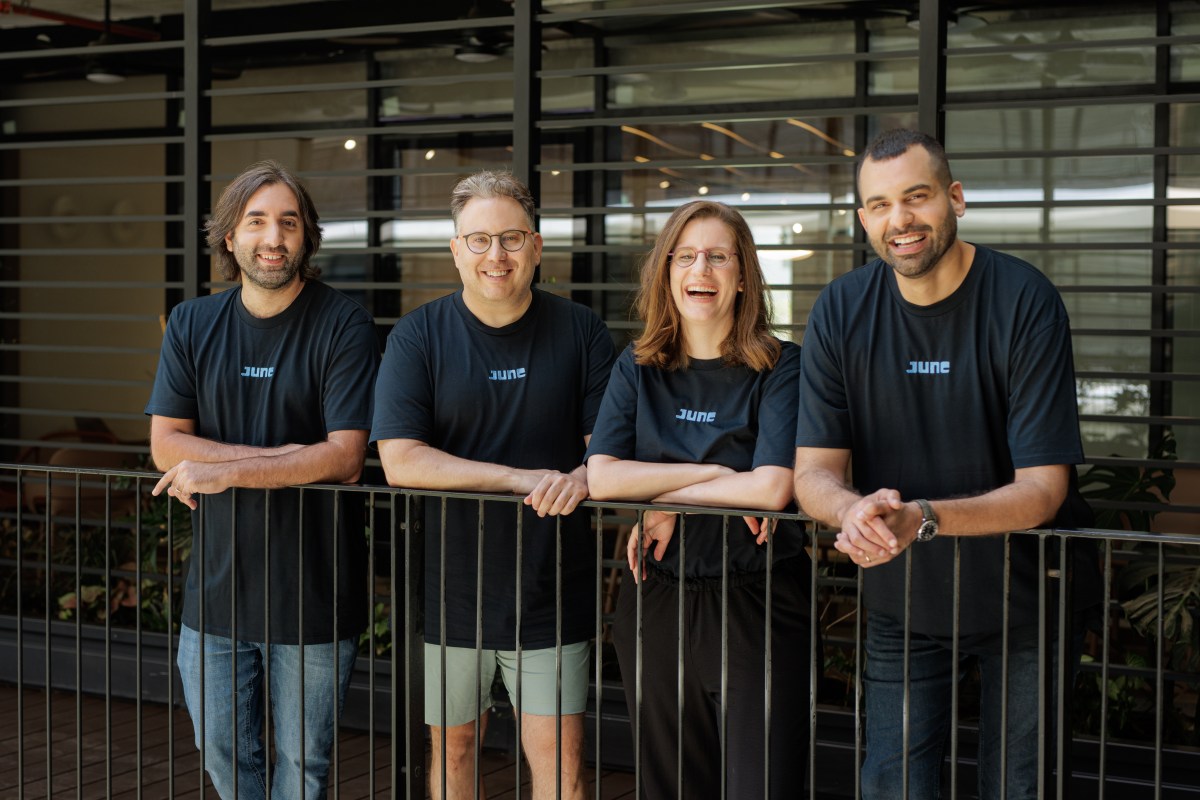
A $1.2 billion valuation. That is what Glow walked out of stealth with this week. The company’s thesis is simple and brutal: every major endpoint security platform on the market was designed before AI agents, LLM workflows, and autonomous processes became the norm inside corporate networks. The incumbents are selling you a solution to last decade’s problem.
Why Endpoint Security Is Broken Right Now
This is not a story about one startup. It is a story about a structural gap that has been widening since 2023.
According to Gartner, the global endpoint security market will reach $21.4 billion in 2026, up from roughly $14 billion three years ago. A meaningful chunk of that spend is going to tools that were not built to monitor AI agents or detect threats moving through LLM pipelines. Companies are paying more to stay less protected.
The threat actors know this. According to CrowdStrike’s 2025 Global Threat Report, the average time from initial access to lateral movement dropped to under 51 seconds for AI assisted intrusions in late 2025. That is not a speed that legacy detection tools can match. They were built to catch humans. Not machines acting like humans.
Glow’s founders saw this gap and spent two years building something different. The company has raised $180 million in total funding, with the latest Series C round valuing it at $1.2 billion. The backers include firms that bet early on CrowdStrike and SentinelOne. That matters.
What Glow Is Actually Building
Most security vendors added AI to their existing architecture and called it a new product. That is like bolting a GPS onto a horse and calling it a Tesla.
Glow built its platform assuming AI is everywhere inside the network from day one. Its detection engine monitors not just endpoint behavior but the behavior of AI agents, API calls between LLM systems, and automated workflows with no human in the loop. Traditional tools cannot see those attack vectors. Glow was designed around them.
The financial angle here is significant. According to IBM’s Cost of a Data Breach Report 2025, the average cost of a data breach involving AI assisted attacks reached $5.3 million, up 19% from the prior year. Companies that are underprotected are carrying a multimillion dollar liability on their balance sheet right now.
Here is what I think most investors and operators are missing. The incumbent vendors, CrowdStrike, Microsoft Defender, SentinelOne, they are all racing to add AI features to their existing platforms. But their core detection architecture is built on behavioral models trained on human-speed threats. They can layer AI on top, but the foundation is still old.
Glow is not competing with those companies on their terms. It is creating a new category: AI native endpoint security. That is a much harder thing to copy. The company that wins category definition in a $21 billion market does not need to be better. It just needs to be first and fast.
Here is the rich versus poor split on this. The “poor” response is to keep renewing the same legacy security contract and hope the vendor patches its way to relevance. The “rich” response is to understand that the attack surface fundamentally changed in 2024 and position your security stack accordingly. One of those is a vendor management decision. The other is a risk management decision. They are not the same thing.
If you manage a security team and you want to get your people up to speed on AI threat vectors, tools like InVideo AI let you build professional training videos fast. Phishing simulation walkthroughs, threat briefing clips, incident response overviews. You do not need a production crew to produce content that actually sticks.
What This Means for You
If you run a business with any AI in your tech stack, which in 2026 means almost every business, here is what I would do.
First, audit what your current endpoint security tool actually covers. Ask your vendor directly: does your product monitor AI agent behavior and LLM API calls? If they cannot give you a clear yes with documentation, you have a blind spot. A vendor that cannot answer that question is telling you something.
Second, get on Glow’s waitlist or request a demo. Even if you do not switch right now, understanding what AI native security looks like will sharpen how you evaluate every other vendor you talk to. Knowing the category makes you a smarter buyer in every conversation.
Third, if you are a small business or founder running lean, you do not need enterprise security pricing on day one. But you do need to understand this category. AppSumo runs lifetime deals on security and productivity tools that are worth checking while you build toward enterprise-grade protection. You can close a lot of gaps affordably if you know what to look for.
Fourth, if you are an investor, this sector deserves serious attention. The $21 billion endpoint security market is not going to contract. It is going to split between legacy tools and AI native platforms. Glow just put a $1.2 billion stake in the ground on where this is heading. The early movers in the prior generation of endpoint security generated 40x to 80x returns. The cycle is repeating.
The companies that ignore this shift will keep paying for tools that cannot see the new threats. The companies that move now will have a security posture built for 2026 and beyond, not 2019.
The Bottom Line
Glow is not just another unicorn. It is a signal. The endpoint security market is going through the same reckoning that cloud security went through when the attack surface moved off-premise. $1.2 billion in valuation suggests the smart money already sees it. The question is whether operators and security buyers will see it before their next breach does. I know which side I want to be on.
Frequently Asked Questions
What is Glow and why did it emerge from stealth now?
Glow is an AI native endpoint security company that spent two years in stealth building its platform. It launched publicly at a $1.2 billion valuation because AI agent and LLM adoption has created a security gap that traditional tools cannot address. The market is large enough and the problem real enough to support a new category.
How is AI native endpoint security different from traditional endpoint security?
Traditional endpoint security monitors devices like laptops and servers for known threat patterns. AI native endpoint security also monitors AI agents, LLM API calls, and automated workflows for anomalous behavior. The difference matters because AI assisted attacks now operate in under a minute, faster than legacy behavioral models can detect, according to CrowdStrike’s 2025 Global Threat Report.
Is Glow’s $1.2 billion valuation justified?
According to Gartner, the endpoint security market will reach $21.4 billion in 2026. If Glow captures even 2% of that market at premium AI native pricing, the revenue math starts to support the valuation. The bigger question is whether incumbents can rebuild their core architecture fast enough to stop Glow from locking in enterprise contracts.
Should small businesses care about AI native endpoint security?
Small businesses with any AI tools in their stack should understand this category even if they cannot afford enterprise pricing yet. According to IBM, the average data breach now costs over $5 million. Knowing what protection exists and planning for it is far cheaper than recovering from the alternative.
Who are Glow’s main competitors in the endpoint security space?
The main incumbents are CrowdStrike, Microsoft Defender for Endpoint, and SentinelOne. All three are adding AI features to existing platforms. Glow’s competitive claim is that it built its architecture from the ground up for AI native environments, which it argues gives it a structural detection advantage over platforms retrofitting AI onto old foundations.