Ferrari and IBM Are Building the Perfect F1 Superfan
“`html
Ferrari and IBM Are Building the Perfect F1 Superfan
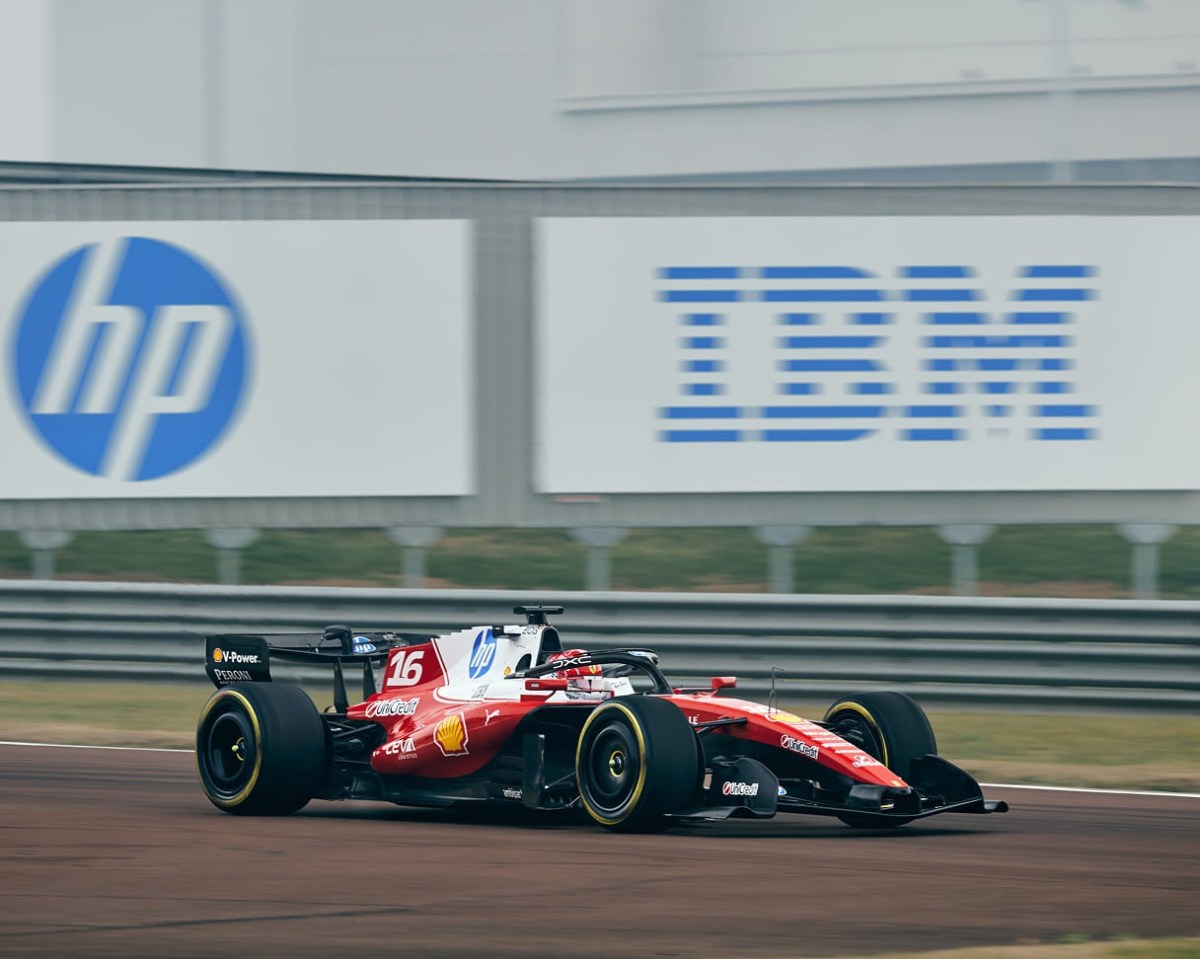
Ferrari isn’t just racing for trophies anymore. The Italian brand has teamed up with IBM to use artificial intelligence and turn casual viewers into obsessed, spending fans. The F1 fan economy topped $3.5 billion in 2025, and Ferrari wants a much bigger cut of it.
Why This Is Happening Right Now
Formula 1 is having a moment that most sports franchises would kill for. According to Formula 1, the sport now claims over 750 million fans worldwide, up from 490 million in 2017. The United States alone added roughly 40 million new fans between 2017 and 2023, according to Nielsen Sports. That’s not a trend. That’s a gold rush.
Ferrari and IBM formalized their expanded partnership in 2025 under the Scuderia Ferrari HP banner. IBM’s watsonx AI platform is now embedded into Ferrari’s operations, from pit stop strategy to fan behavior analysis. The goal is simple: know what fans want before they know it themselves. Then sell it to them at exactly the right moment.
This is a fintech play dressed up as fan engagement. Every data point Ferrari collects gets converted into a purchase decision. That’s not motorsport. That’s a subscription model wearing a red racing suit.
What Ferrari and IBM Are Actually Doing
I want to be direct here. Most coverage of this partnership focuses on lap times, pit stop data, and race strategy. That’s missing the real story.
IBM’s watsonx AI processes millions of fan interactions across social media, streaming platforms, and in-person events. It finds patterns. Who watches every qualifying session? Who buys merchandise after a race win? Who’s likely to pay for a premium hospitality package? Ferrari uses this to target fans with personalized content and offers at precisely the right moment.
According to Deloitte, sports organizations that use AI-supported personalization see a 20% to 30% increase in fan spending per season. Ferrari isn’t doing this because it loves you. It’s doing this because a superfan spends 4.3 times more than a casual fan, according to research from PwC’s sports practice. Do that math across hundreds of millions of fans and the numbers get very serious, very fast.
This is the same playbook Netflix and Spotify have been running for years. You think the algorithm just recommends shows you might like? No. It keeps you on the platform longer so you stay subscribed and spend more. Ferrari is building that same machine for F1 fans. The product is you. The prize is your wallet.
Here’s my contrarian take: most people see this as a sports story. I see it as proof that fan monetization is now a pure data business. The team with the best data wins, and that win happens off the track as much as on it.
For businesses watching this play out, the lesson is sharp. Data about your customers is worth more than almost any product you sell. Companies that build systems to understand customer behavior early will own their markets. And if you’re managing a business that operates across events, campaigns, or teams, getting your financial infrastructure right matters. A platform like Wallester makes it easy to issue cards for team members with real spending controls and live data, so you’re not guessing where your money went after a big push.
What This Means for You
Here’s what I would do if I were watching this from the outside and looking for an angle.
First, understand that fan monetization is becoming a real business category on its own. According to Grand View Research, the global sports analytics market will reach $22.1 billion by 2030. The money is moving toward data, not just content.
Second, look at your own audience. Whether you run a media company, a local business, or a side project, you have fans too. They’re called customers. The Ferrari and IBM model says: collect behavioral data, find your top spenders, and build systems to serve them better and more often. Most businesses don’t do this. That’s your opening.
Third, build the right team before the opportunity passes you. Fan engagement operations need analysts, marketers, and content people working in sync. If you’re hiring for a sports, media, or events business right now, payroll infrastructure matters more than most founders realize. I’d point you toward Gusto for handling payroll as your team scales, especially if you’re mixing full time staff with contractors around event seasons. Getting that right early keeps you focused on growth instead of HR fires.
The F1 boom created real jobs and real business openings far outside the racetrack. Merchandise, hospitality, content licensing, data services. All of it is growing fast. Ferrari and IBM just published the blueprint in public. Most people won’t read it right.
The Bottom Line
Ferrari and IBM aren’t building superfans because they love the sport. They’re building a revenue machine that knows exactly which fan to target, when to target them, and how much they’ll spend. The brands that figure out fan monetization first will own the next decade of sports business. The ones that don’t will keep selling T-shirts and hoping for a good race weekend. I know which side of that trade I want to be on. Do you?
Frequently Asked Questions
What is the Ferrari and IBM AI partnership about?
Ferrari’s F1 team, Scuderia Ferrari HP, partnered with IBM to use the watsonx AI platform across race operations and fan engagement. The AI analyzes fan behavior data to help Ferrari personalize content and offers for different types of fans. The wider goal is to increase loyalty and spending among the most engaged segments of their audience.
How does AI help create F1 superfans?
The system processes data from social media, streaming history, and purchase records to identify what keeps different fans most engaged. Ferrari can then deliver the right offer or content to the right fan at the right moment. That kind of precision is what turns a casual race viewer into someone who buys the jersey, the hat, and the trackside hospitality package.
Why does the Ferrari IBM deal matter for fintech and business?
Fan monetization is a data business, and data businesses run on financial infrastructure, fast payments, and behavioral analytics. The Ferrari and IBM model shows how sports brands are becoming tech companies with deeply loyal customer bases. Any subscription or media business can study this playbook and apply the core logic to their own audience.
Is F1 fan spending really large enough to matter financially?
According to PwC’s sports practice, a superfan spends 4.3 times more per year than a casual fan. Formula 1 has added hundreds of millions of new fans since 2017, according to Formula 1’s own fan research. That math adds up to billions in addressable revenue that teams like Ferrari are now working to capture directly rather than through third parties.
What can smaller businesses take from Ferrari’s approach?
Any business with repeat customers can apply this thinking: collect behavioral data, identify your highest-value buyers, and build systems to serve them better and more often. You don’t need IBM or a Formula 1 budget to start. You need a clear and honest picture of who spends the most with you and exactly why they keep coming back.
“`
Get stories like this in your inbox. Daily.
Free. No spam. The AI, tech, and finance stories that move money.